1880s-1890s Bust improvers.In the late Victorian years, the emphasis was on the silhouette so sometimes ‘bust-improvers’ were used to provide extra padding to the bust shape.


1880s-1890s Bust improvers.In the late Victorian years, the emphasis was on the silhouette so sometimes ‘bust-improvers’ were used to provide extra padding to the bust shape.


19th Century Set of Damascened Calligrapher’s Tools, Turkey. via Sotheby’s Auctions. sothebys.com
books2read.com/SuziLoveWritingTools


1812 Man’s wool, linen, and cotton long coat with four shoulder capes, European. Also called a Carrick Coat, a Driving Coat, or a Redingote in France. via Metropolitan Museum, NYC, USA. ~ metmuseum.org Credit Line: Purchase, Irene Lewisohn Bequest, 1988. Accession Number: 1988.300
A Regency Era, or early 1800s, gentleman was outfitted in more practical fabrics, such as wool, cotton and buckskin rather than the fussy brocades and silks of the late 1700s. The men in Jane Austen’s life would have worn this sort of warm and practical coat like this when riding his horse in inclement weather or when driving his carriage.


From the finish of the 18th century until 1820, men’s fashions in European and European-influenced countries moved away from the formal wear of brocades, lace, wigs and powder to more informal and relaxed styles. Focus was on undress rather than formal dress. Typical menswear in the early 1800s included a tailcoat, a vest or waistcoat, either breeches, pants, or the newer trousers, stockings, shoes or boots, all worn with an overcoat and hat. This basic ensemble was accessorized with some form of neckcloth or cravat, gloves, walking stick, cane or riding crop, handkerchief, fobs, watch and perhaps a quizzing glass or eye glass.
Skirted coats were replaced with short-fronted, or cutaway, tailcoats worn over fitted waistcoats and plain, white linen shirts. Knee breeches were gradually replaced by tight-fitting pantaloons and later trousers, decorative shoes with buckles were replaced with a variety of boot styles, and fussy and ruffled neckwear gave way to intricately tied, white linen neck cloths. A Regency Era, or early 1800s, gentleman was outfitted in more practical fabrics, such as wool, cotton and buckskin rather than the fussy brocades and silks of the late 1700s.
1804 Men's Fashions In The Time Of Jane Austen. #Regency #Fashion #JaneAusten Share on X
1795-1810 ca. Roller Printed Dress, English. Empire style, high-waisted, roller printed dress with skirt gathered at the back to create a full skirt and with simple V-necked bodice and long sleeves. Sleeves are closed with a narrow band of fabric which fastens with a hook and eye. via Victoria and Albert Museum, London, UK. 1810 ca. Sewing of Gown. 1795-1799 ca. Fabric Block Printing. Pattern of floral trails blends influences from Indian-painted and printed textiles, and woven silks, a style which remained popular until the end of18th century.
The pattern of floral trails seen on the printed fabric of this gown exhibits a blend of influences from Indian-painted and printed textiles, and woven silks, a style which remained popular until the end of the 18th century. The sleeves of this gown are closed with a narrow band of fabric, which fastens with a hook and eye.
The dress is styled with a high-waisted , fitted bodice, which fastens centrally. The neck, which is trimmed with a 1″ frill of matching material, is rounded a the back and V-shaped at the front. The bodice is lined with white cotton which extends 1/3 of the way down the full length tapered sleeves. A trimming decorations is attached to the wrist of the right sleeve (made from the same material and lined with white cotton), which fastens with a metal hook and eye at the hip. The skirt has an ‘apron’ style front with fastening tapes attached to either side, in addition to this there are vertical pocket slits situated at either side of the skirt measuring 11″. The front and rear sides of the skirt are constructed from one width of fabric – 39.5″ wide. The waistline at the back of the skirt is gathered a the centre and is constructed from two pieces of material measuring 46″ wide.
The cotton has blue threads in the selvedges denoting English origin, and is block printed in a polychrome palette with pencilled blue on a white ground. The design consists of an all-over pattern of delicate floral trails of carnations, pinks an other stylised flowers interspersed by vertical arborescent meanders bearing exotic fruits and stylised flowers. The pattern repeat measures 10.5″ by 10″.


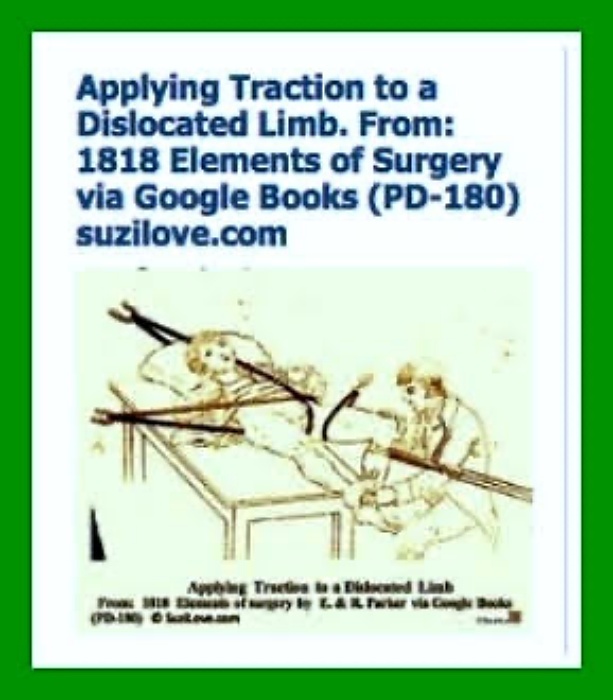
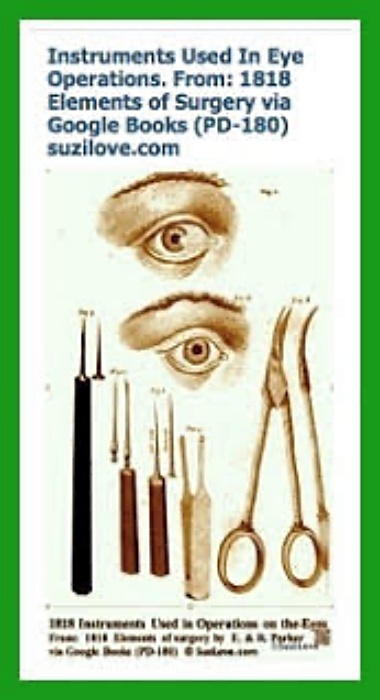
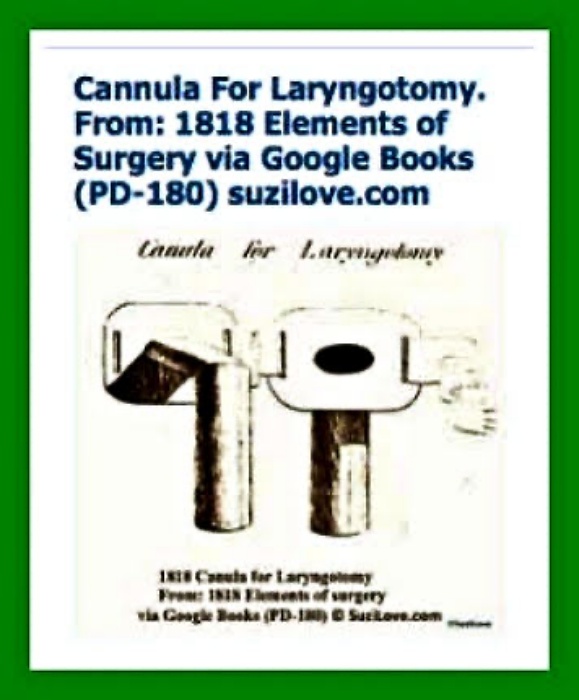
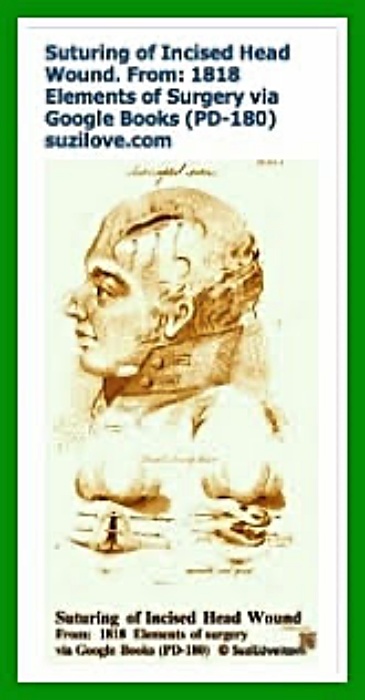
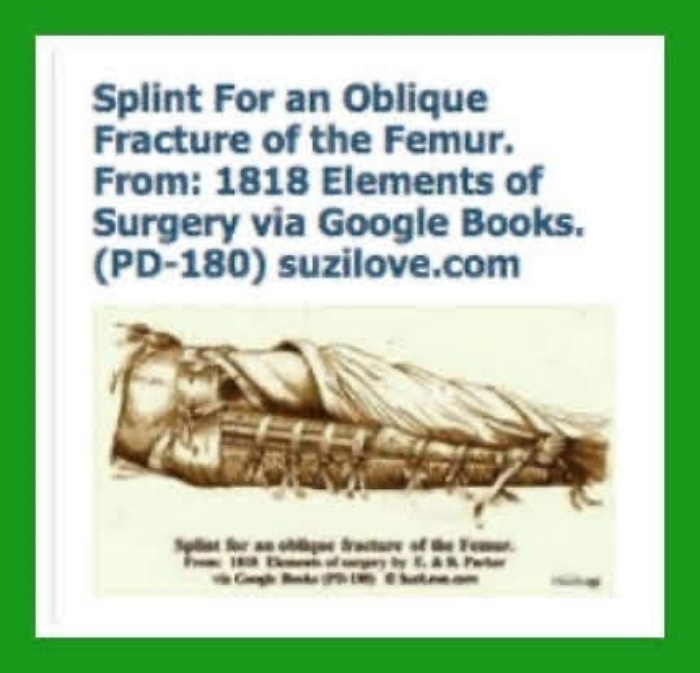
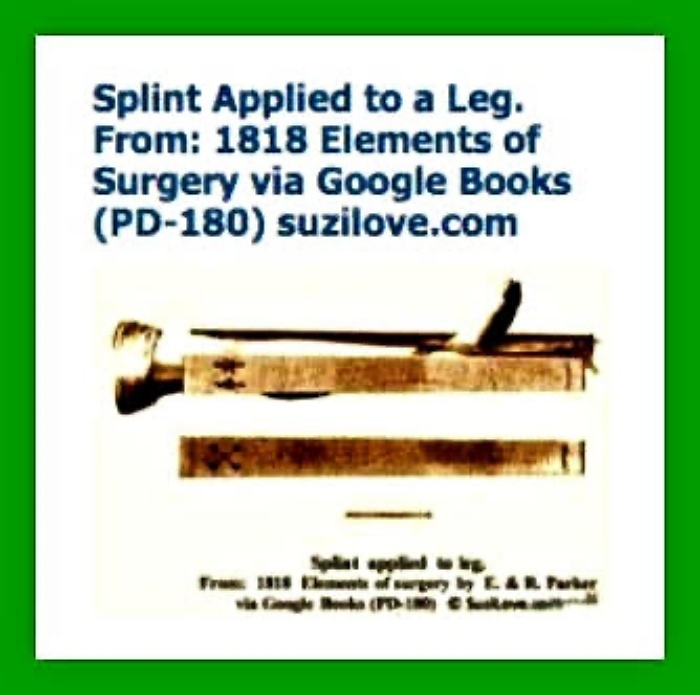
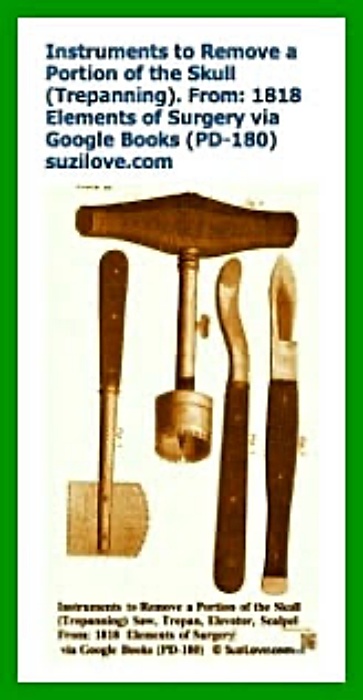
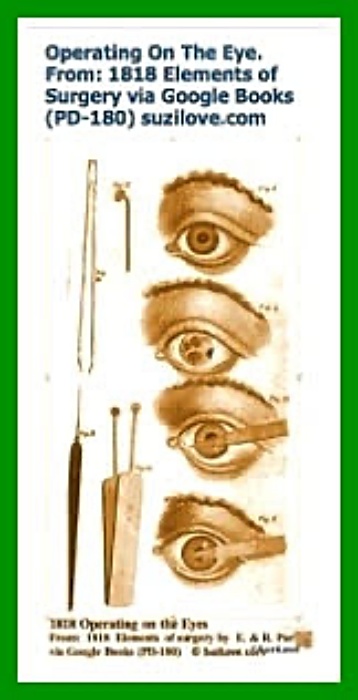
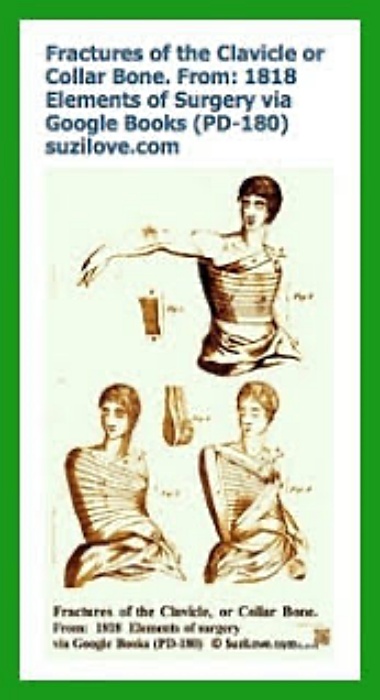
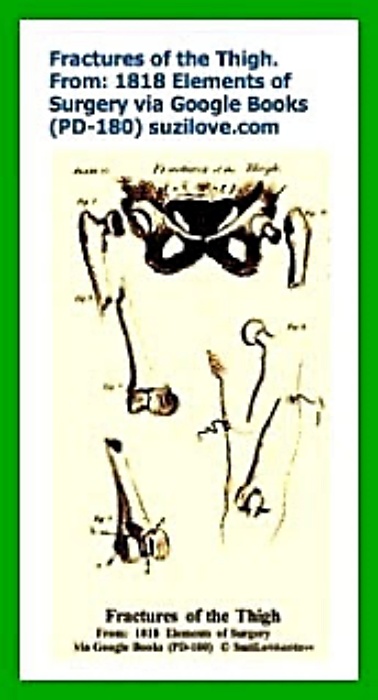
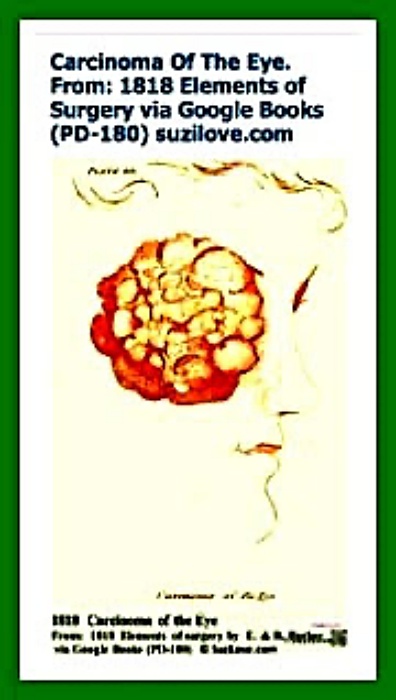
Medical History. Images from historical surgery and hospital treatments after surgery. 1818 Elements of Surgery. Via Google Books (PD-200) All these images can be found on my Pinterest board for History – Medical. In Jane Austen’s times, medical problems were mainly dealt with in the home. A surgeon or apothecary might be called but the care of the patient and administering medications and treatments was the family’s responsibility, possibly with the help of servants.