I love Pinterest for keeping thousands of historical images in some sort of order.And I love using Pinterest Boards as inspiration for my romance books.What about you? Do you use Pinterest for planning something, or just for fun?Need more hints for what to do with your boards and pins? Take a look at these fascinating articles on Pinterest. if you want even more Pinterest information and tips for becoming a power user, check out my Suzi Love Pinterest Boards
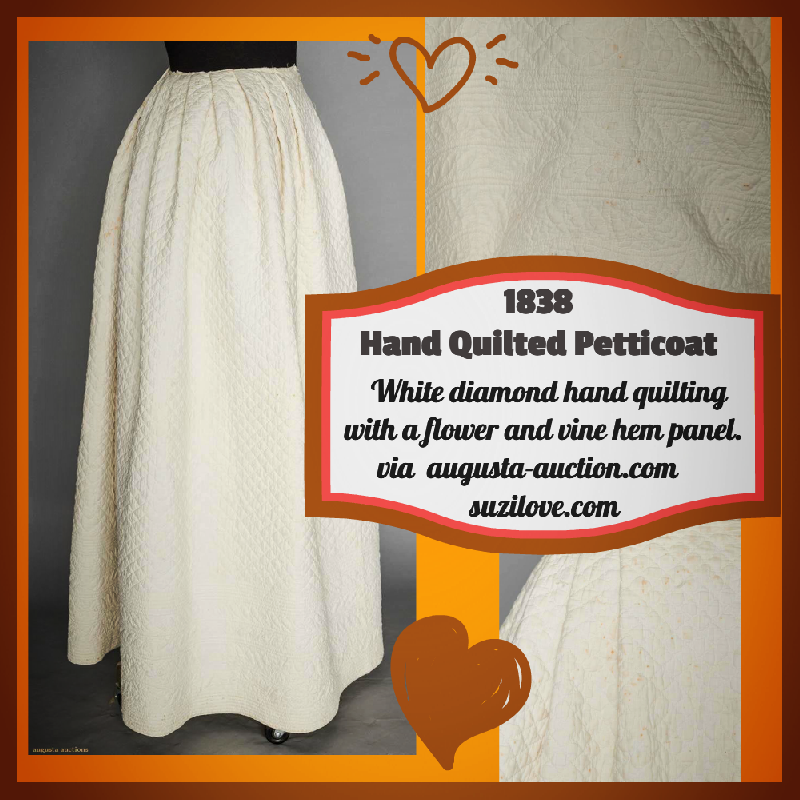
In Jane Austen’s years of the early nineteenth century, women often wore light-weight dresses under which was worn a range of underclothing to stop gowns appearing transparent and sticking to a lady’s body. To preserve modesty, underclothing included a chemise next to the skin, then a corset, and then petticoats to give shape to a dress and to keep it away from her body.
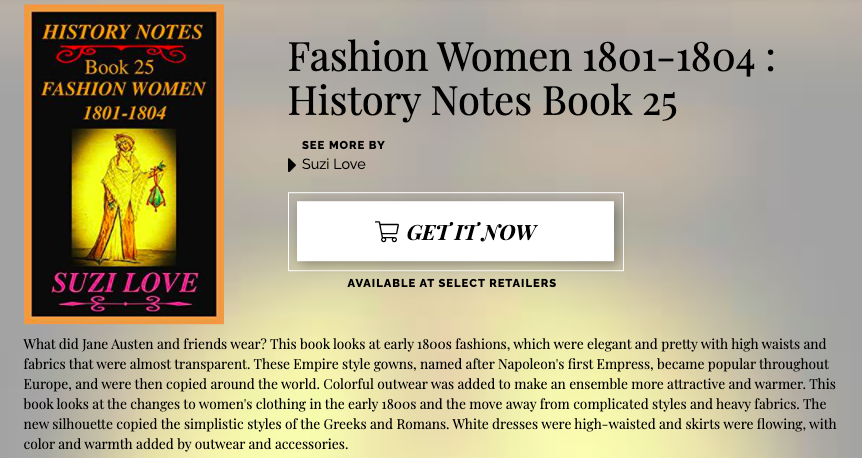
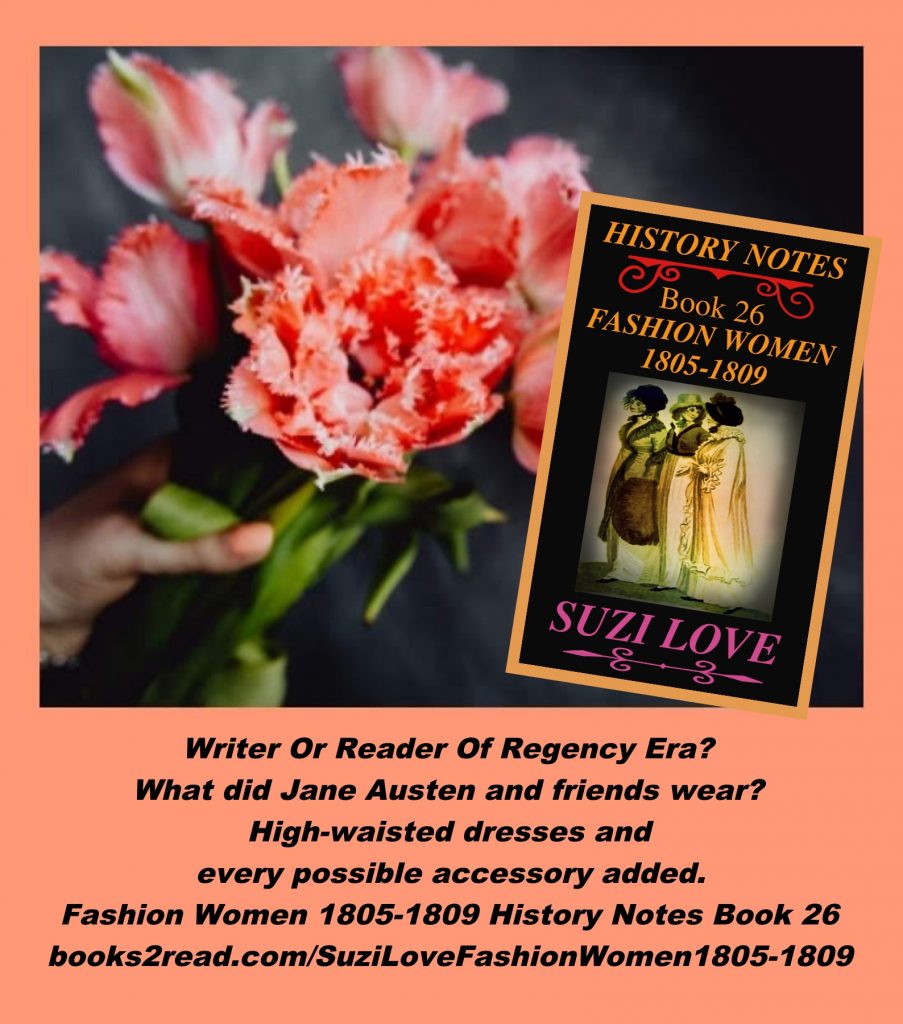
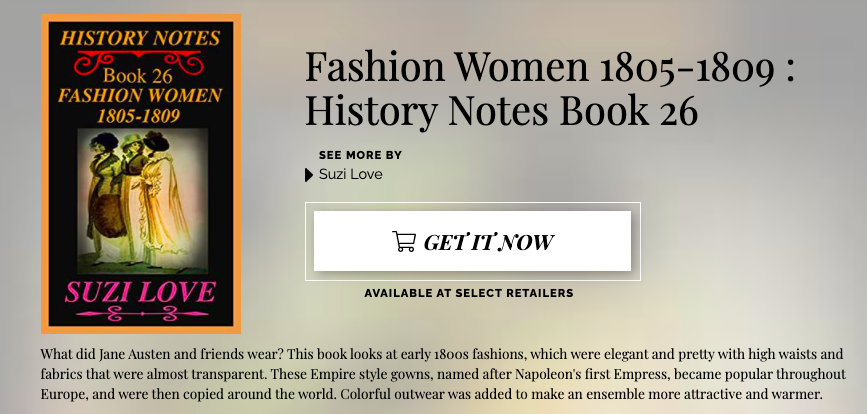
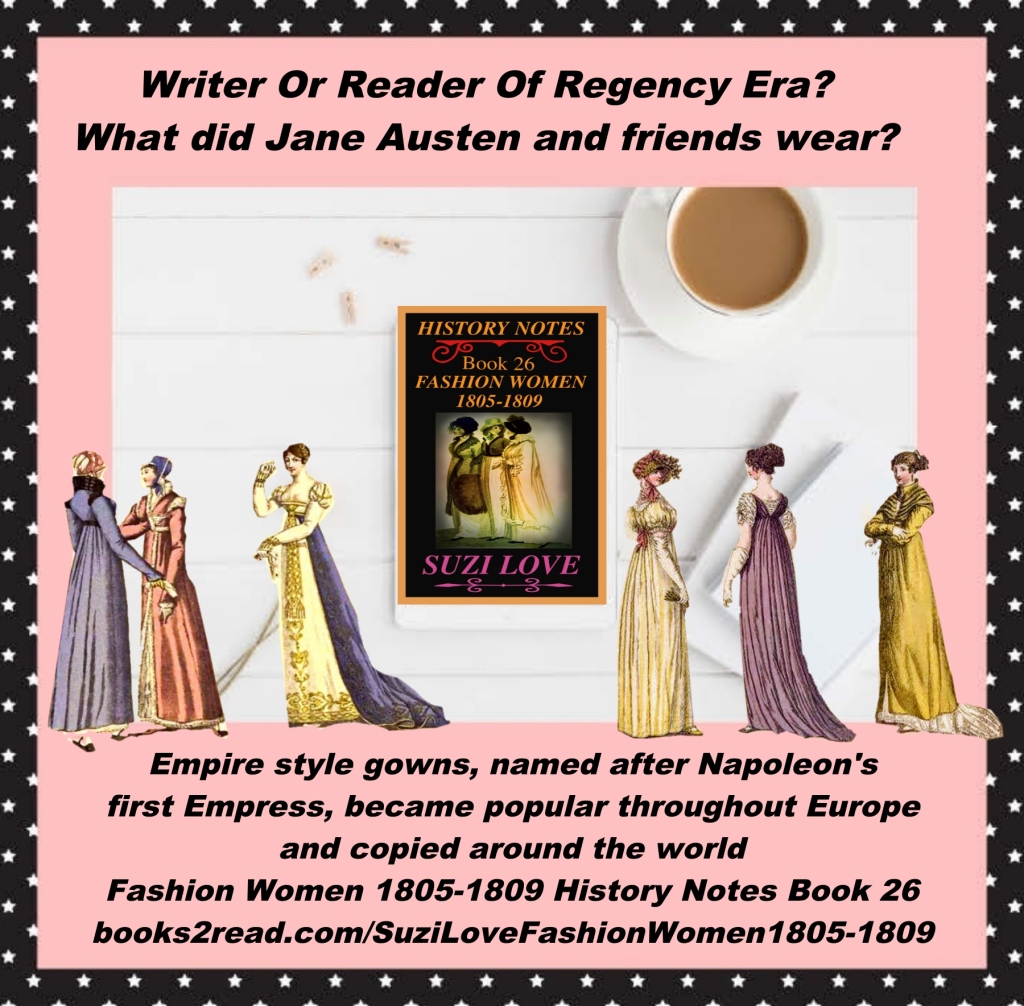
What did Jane Austen and friends wear? Early 1800s fashions were elegant and pretty with high waists and fabrics that were almost transparent. These Empire style gowns, named after Napoleon’s first Empress, became popular throughout Europe, and were then copied around the world. Colorful outwear was added to make an ensemble more attractive and warmer. History Notes Book 26 Fashion Women 1805-1809. https://books2read.com/SuziLoveFashionWomen1805-1809
The Empire waist gown defined women’s fashion during the Regency Era. ‘Empire’ is the name given in France to the period when Napoleon built his French Empire. High-waisted, loose gowns were adopted by the aristocracy as a symbol of turning away from the fussy, elaborate and expensive clothing worn in the 1700s. Jean-Jaques Rousseau advocated copying peasants and returning to a simpler life and more natural fashions. Unrestricting clothing was part of the new Democracy in France and these simpler and flowing fashions were adopted all over Europe, including Britain and despite the continual wars being fought against France during the early 1800s. Not even war stopped fashions from being copied everywhere.
1780 Stays and Panier, or Hoop Petticoat, England. via suzilove.com and Los Angeles County Museum of Art, California, USA. Stays: Brown linen twill and baleen. Panier: Woman’s hoop petticoat, or pannier, of linen plain weave and cane 1750-1780. via Los Angeles County Museum of Art, California, USA. collections.lacma.org
1807 Healthful Dipping. Lady in her white linen chemise, or shift, preparing to take a dip in the spa waters. Scenes of Spa life. By F. Eginton, New Bath Guide. ‘How the ladies did giggle and set up their clacks, All the while an old lady was rubbing their backs.’ From Anstey’s ‘The New Bath Guide’. In Jane Austen’s novels, the resorts of Brighton, Scarborough, Cromer, Lyme and the fictional Sandy ton or Sanditon all get mentions. Women bathed in the sea, via bathing machines pulled down to the water’s edge, or promenaded along beautiful walkways, such as in Cheltenham, near Bat in Britain. Visiting seaside resorts became very popular during the Regency years. Le Beau Monde, or fashionable society, went to spa and beach towns to ‘take the waters’ or to holiday in a fashionable town. To see and be seen. Ladies dressed in light muslin gowns but added colorful accessories to make outfits more interesting.
Chemise Or Shift: Sleeveless, mid-calf length garment of white cotton or muslin was worn next to the skin under stays or corset. Called ‘Shift’ from early Georgian (1700-1750) until Late Georgian (1750-1790) to replace ‘Smock’. By 1800, name replaced by ‘Chemise’.
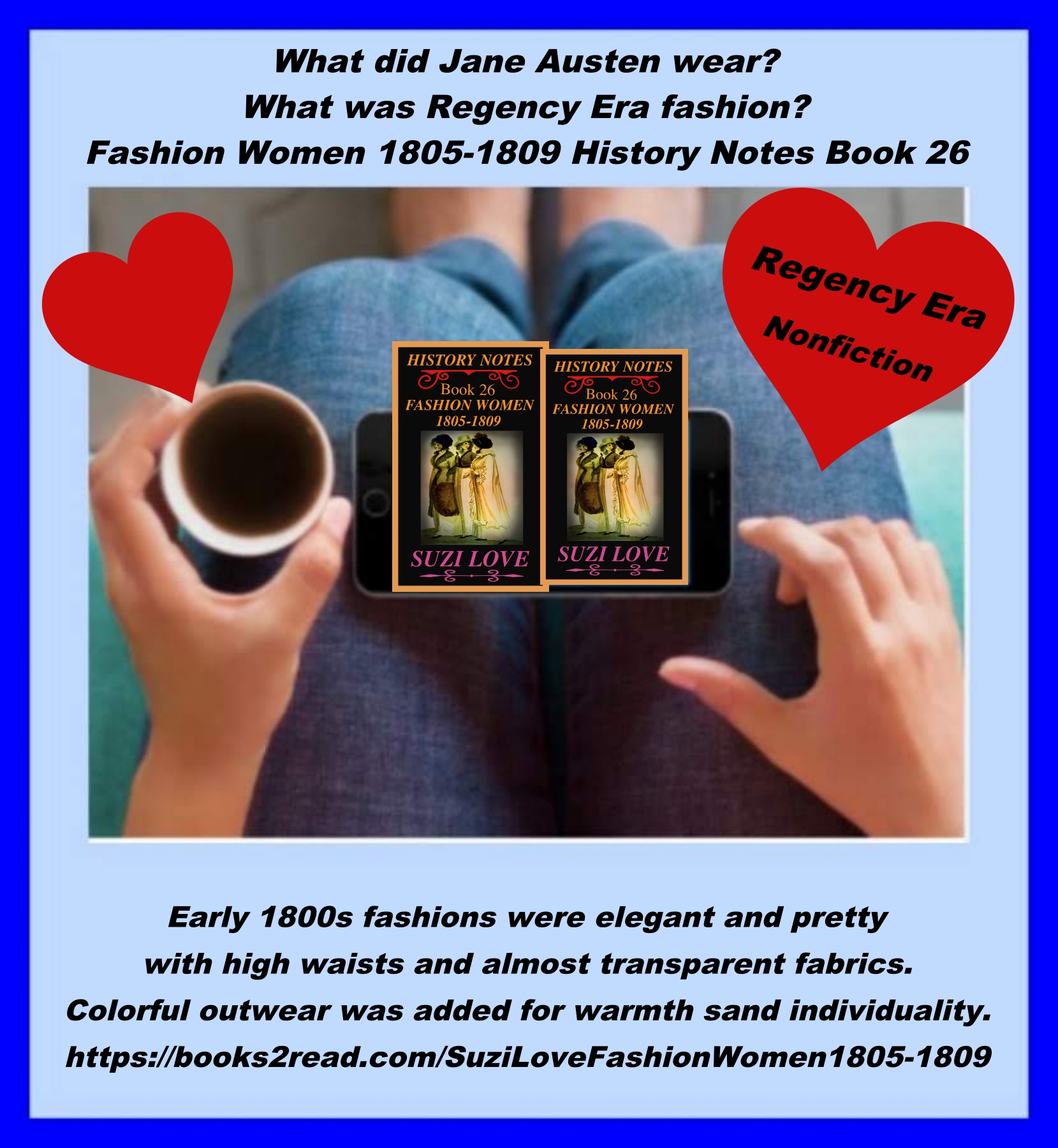
What did Jane Austen and friends wear? Early 1800s fashions were elegant and pretty with high waists and fabrics that were almost transparent. These Empire style gowns, named after Napoleon’s first Empress, became popular throughout Europe, and were then copied around the world. Colorful outwear was added to make an ensemble more attractive and warmer. History Notes Book 26 Fashion Women 1805-1809. https://books2read.com/SuziLoveFashionWomen1805-1809
What did Jane Austen and friends wear? Early 1800s fashions were elegant and pretty with high waists and fabrics that were almost transparent. These Empire style gowns, named after Napoleon’s first Empress, became popular throughout Europe, and were then copied around the world. Colorful outwear was added to make an ensemble more attractive and warmer. History Notes Book 26 Fashion Women 1805-1809. https://books2read.com/SuziLoveFashionWomen1805-1809
The Empire waist gown defined women’s fashion during the Regency Era. ‘Empire’ is the name given in France to the period when Napoleon built his French Empire. High-waisted, loose gowns were adopted by the aristocracy as a symbol of turning away from the fussy, elaborate and expensive clothing worn in the 1700s. Jean-Jaques Rousseau advocated copying peasants and returning to a simpler life and more natural fashions. Unrestricting clothing was part of the new Democracy in France and these simpler and flowing fashions were adopted all over Europe, including Britain and despite the continual wars being fought against France during the early 1800s. Not even war stopped fashions from being copied everywhere.
1825 Brown stays with center front busk, back lacing, hip shaping, breast gussets, widely spaced straps, cotton embroidered in ivory silks with hearts. via Kerry Taylor Auctions. kerrytaylorauctions.com https://books2read.com/SuziLoveCorsetBook17
The main purpose of corsets was to support and shape the breasts. Though they still slimmed the midriff, this was not the prime purpose of a corset in the 1820s. The waistline of dresses had lowered to below the bust line and nearer to the true waist so corsets were longer and were given added shaping by stitching and cording and by shaping the breasts with pleated or gathered cups.
What did Jane Austen and friends wear? Early 1800s fashions were elegant and pretty with high waists and fabrics that were almost transparent. These Empire style gowns, named after Napoleon’s first Empress, became popular throughout Europe, and were then copied around the world. Colorful outwear was added to make an ensemble more attractive and warmer. History Notes Book 26 Fashion Women 1805-1809. https://books2read.com/SuziLoveFashionWomen1805-1809
The Empire waist gown defined women’s fashion during the Regency Era. ‘Empire’ is the name given in France to the period when Napoleon built his French Empire. High-waisted, loose gowns were adopted by the aristocracy as a symbol of turning away from the fussy, elaborate and expensive clothing worn in the 1700s. Jean-Jaques Rousseau advocated copying peasants and returning to a simpler life and more natural fashions. Unrestricting clothing was part of the new Democracy in France and these simpler and flowing fashions were adopted all over Europe, including Britain and despite the continual wars being fought against France during the early 1800s. Not even war stopped fashions from being copied everywhere.