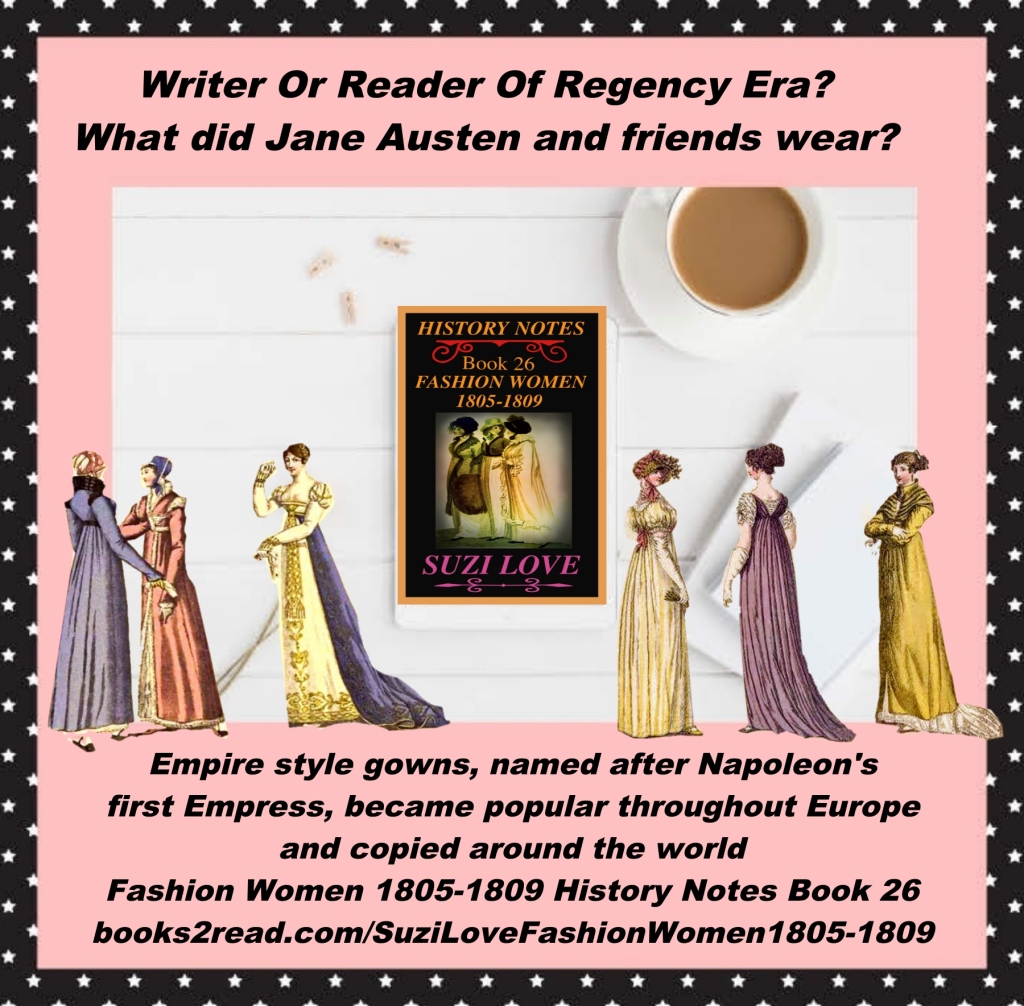
What did Jane Austen and friends wear? Early 1800s fashions were elegant and pretty with high waists and fabrics that were almost transparent. These Empire style gowns, named after Napoleon’s first Empress, became popular throughout Europe, and were then copied around the world. Colorful outwear was added to make an ensemble more attractive and warmer. History Notes Book 26 Fashion Women 1805-1809. https://books2read.com/SuziLoveFashionWomen1805-1809
What did Jane Austen and friends wear? Early 1800s fashions were elegant and pretty with high waists and fabrics that were almost transparent. These Empire style gowns, named after Napoleon’s first Empress, became popular throughout Europe, and were then copied around the world. Colorful outwear was added to make an ensemble more attractive and warmer.
https://books2read.com/SuziLoveFashionWomen1805-1809
Fashion Women 1805-1809 History Notes Book 26 What did Jane Austen and friends wear? https://books2read.com/SuziLoveFashionWomen1805-1809
What did Jane Austen and friends wear? Early 1800s fashions were elegant and pretty with high waists and fabrics that were almost transparent. These Empire style gowns, named after Napoleon’s first Empress, became popular throughout Europe, and were then copied around the world. Colorful outwear was added to make an ensemble more attractive and warmer. History Notes Book 26 Fashion Women 1805-1809. https://books2read.com/SuziLoveFashionWomen1805-1809
The Empire waist gown defined women’s fashion during the Regency Era. ‘Empire’ is the name given in France to the period when Napoleon built his French Empire. High-waisted, loose gowns were adopted by the aristocracy as a symbol of turning away from the fussy, elaborate and expensive clothing worn in the 1700s. Jean-Jaques Rousseau advocated copying peasants and returning to a simpler life and more natural fashions. Unrestricting clothing was part of the new Democracy in France and these simpler and flowing fashions were adopted all over Europe, including Britain and despite the continual wars being fought against France during the early 1800s. Not even war stopped fashions from being copied everywhere.
Fashion Women 1805-1809 History Notes Book 26
What did Jane Austen and friends wear? This book looks at early 1800s fashions, which were elegant and pretty with high waists and fabrics that were almost transparent. These Empire style gowns, named after Napoleon’s first Empress, became popular throughout Europe, and were then copied around the world. Colorful outwear was added to make an ensemble more attractive and warmer.
https://books2read.com/SuziLoveFashionWomen1805-1809HN_26_D2D_FsshionWomen1805-1809
1808 Richard Trevithick’s Steam Circus, Bloomsbury, London, U.K. Site where Trevithick ran his locomotive ‘Catch Me Who Can’. Trevithick wanted to prove that traveling by train was faster than on horseback. Locomotive ran at top speed of 19 km per hour and people paid a shilling to sit in an attached car and be pulled around. Via Wikimedia Commons commons.wikimedia.org (PD-ART) This was the start of the railway expansions across England in Jane Austen’s time.
1808 Richard Trevithick’s Steam Circus, Bloomsbury, London, U.K. Site where Trevithick ran his locomotive ‘Catch Me Who Can’. Trevithick wanted to prove that traveling by train was faster than on horseback. Locomotive ran at top speed of 19 km per hour and people paid a shilling to sit in an attached car and be pulled around. Via Wikimedia Commons commons.wikimedia.org (PD-ART)
D2D_RetailerBuyLink_HN_10.books2read.com/SuziLoveTravel
1820 ca. Writing Box, English. Rosewood and brass inlaid writing box by William Dobson, The Strand, London. Makers label, gilded candle holders, ink wells. via antiques-atlas.com. Portable boxes for writing materials existed for many centuries but in the last decades of the 18th century socio-economic circumstances in England necessitated the wide use of a portable desk in the form of a box which could be used on a table or on one’s lap. Hence “Lap Desk”.
HN_13_D2D_WritingTools Book 13 What did the lady of the house use to pen notes? What sat on the desk of the man of the house when managing his accounts? #History #Nonfiction #travel books2read.com/SuziLoveWritingTools
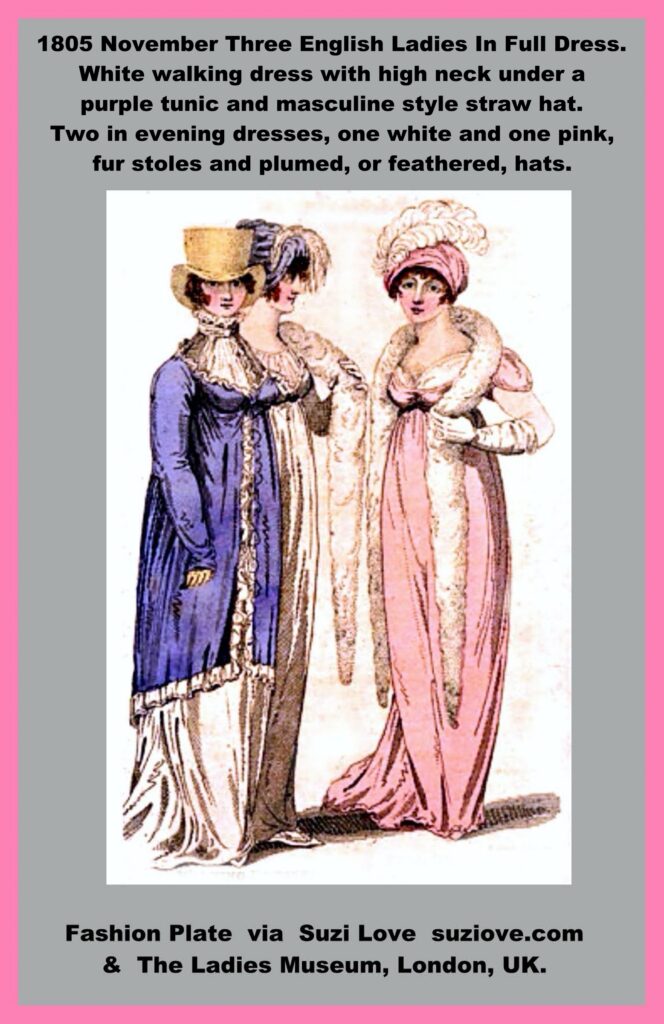
1805 November Three English Ladies In Full Dress. White walking dress with high neck under a purple tunic and masculine style straw hat. Two in evening dresses, one white and one pink, fur stoles and plumed, or feathered, hats. via Vernon and Hood Poultry at The Lady’s Monthly Museum, London, U.K. These gorgeous dresses show the transition from the round dresses of the late 1700s to the Empire style dresses with the waistline high under the bust. Small trains were still worn in the early 1800s, but much more manageable than the larger and more elaborate trains of the late 1700s. Jane Austen and her friends would have worn dresses like this to their assemblies and evening events.
Definition Accessory: An accessory completes and complements an outfit. Two groups – 1. Those worn e.g. bonnets, caps and hats, boots and shoes, cravats and ties, gloves, mittens and muffs, jewelry, scarves and shawls, socks and stockings. 2. Those carried e.g. bags, fans, and parasols.
Definition Full Dress: The most formal and complete ensemble, worn for day or night events, and includes the fullest range of accessories that could be added to the outfit to make the most impressive display.
1805 November Three English Ladies In Full Dress. White walking dress with high neck under a purple tunic and masculine style straw hat. Two in evening dresses, one white and one pink, fur stoles and plumed, or feathered, hats. via Vernon and Hood Poultry at The Lady’s Monthly Museum, London, U.K.Fashion Women 1805-1809 History Notes Book 26
What did Jane Austen and friends wear? This book looks at early 1800s fashions, which were elegant and pretty with high waists and fabrics that were almost transparent. These Empire style gowns, named after Napoleon’s first Empress, became popular throughout Europe, and were then copied around the world. Colorful outwear was added to make an ensemble more attractive and warmer.
https://books2read.com/SuziLoveFashionWomen1805-1809
Drama and romance at the Duke Of Sherwyn’s snowbound country estate in the English countryside in December. Michael Brandon travels to introduce the woman he loves to family but is shocked when his missing brother, presumed dead for years, arrives at the country estate of the Duke Of Sherwyn where several people are stranded due to a severe snow storm. https://books2read.com/suziloveDS December Scandal, Book 3 Scandalous Siblings.
DS December Scandal Michael Brandon travels to introduce the woman he loves to family but is shocked when his missing brother arrives. #HistoricalRomance #FamilySaga https-::books2read.com:suziloveDSD2D_RetailerBuyLink_DS
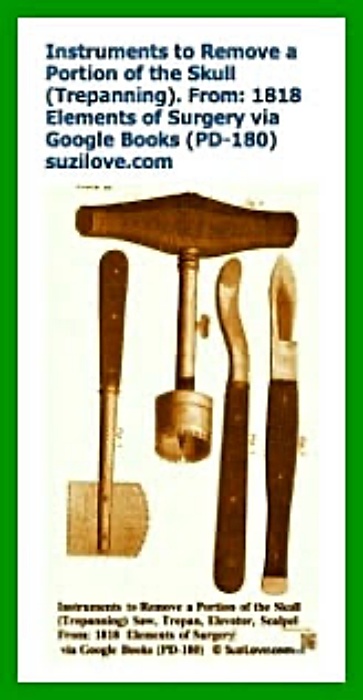
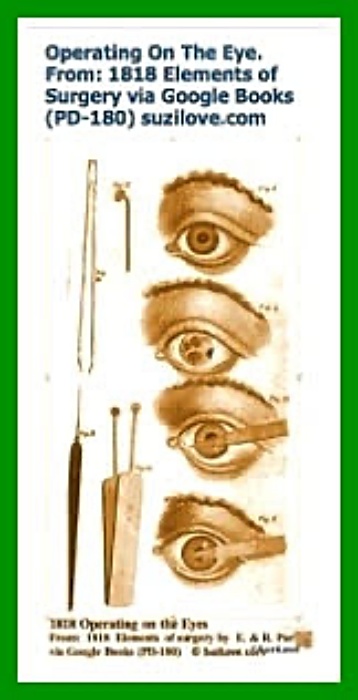
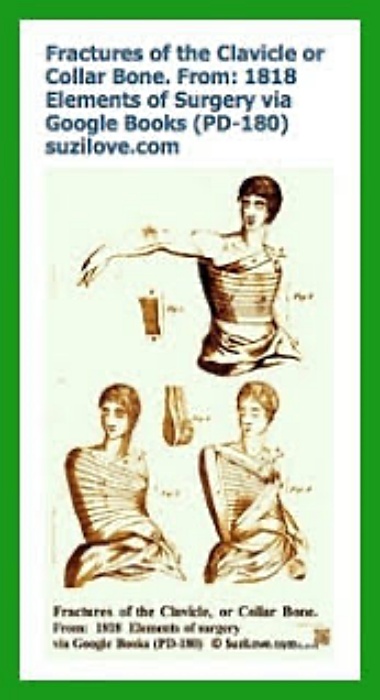
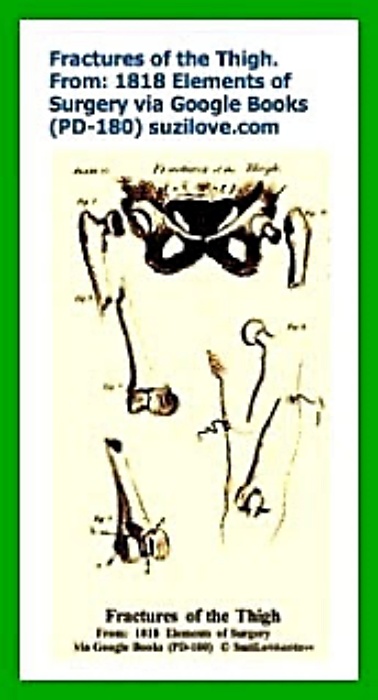
Medical History. Images from historical surgery and hospital treatments after surgery. 1818 Elements of Surgery. Via Google Books (PD-200) All these images can be found on my Pinterest board for History – Medical. In Jane Austen’s times, medical problems were mainly dealt with in the home. A surgeon or apothecary might be called but the care of the patient and administering medications and treatments was the family’s responsibility, possibly with the help of servants.
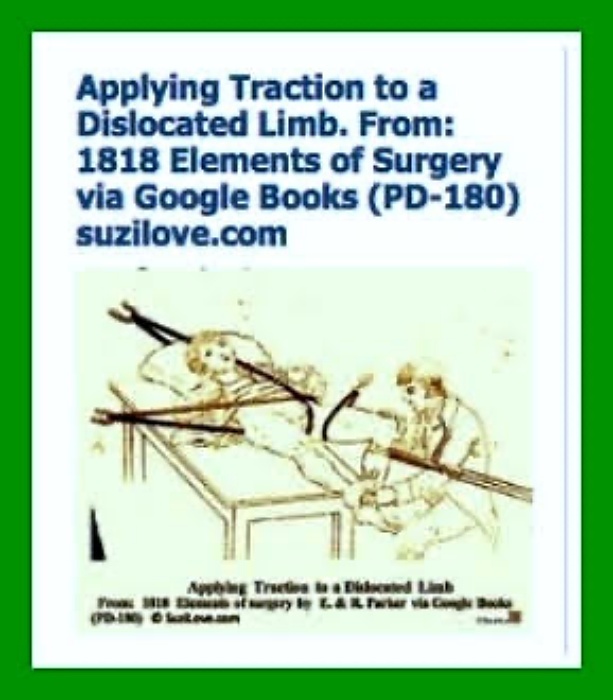
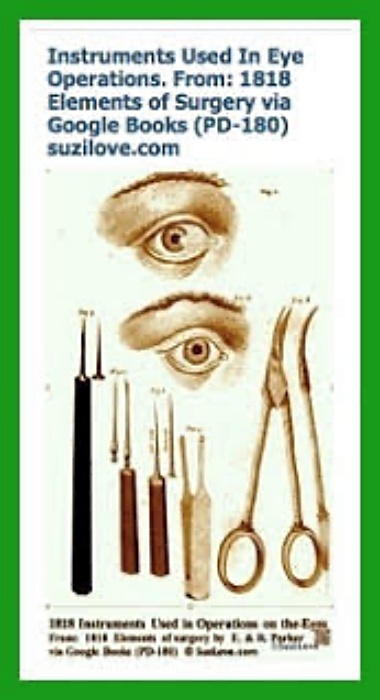
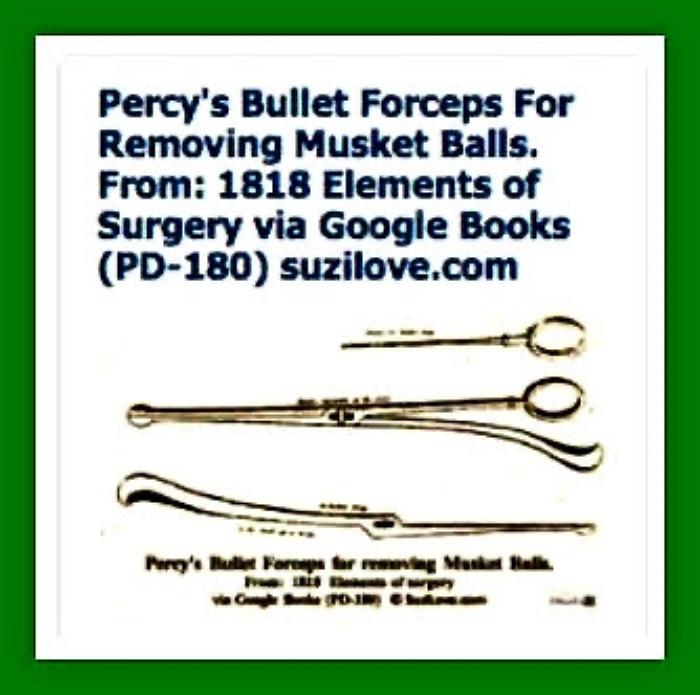
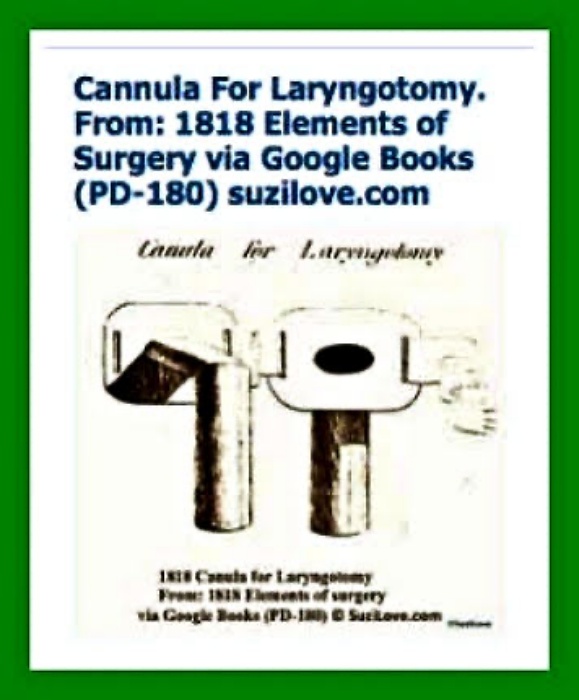
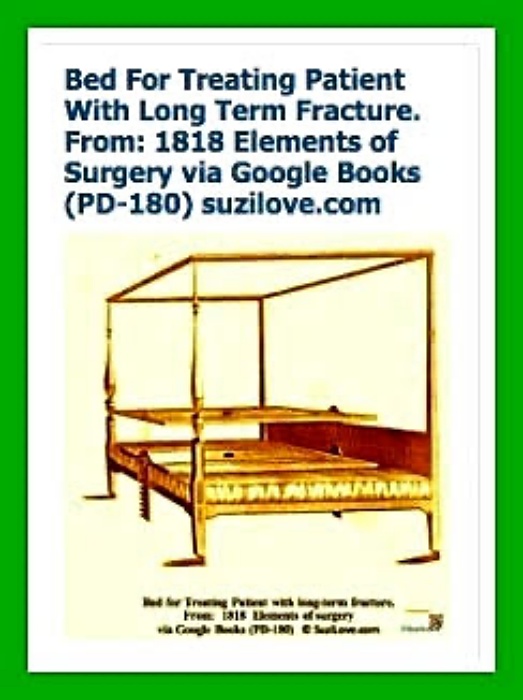
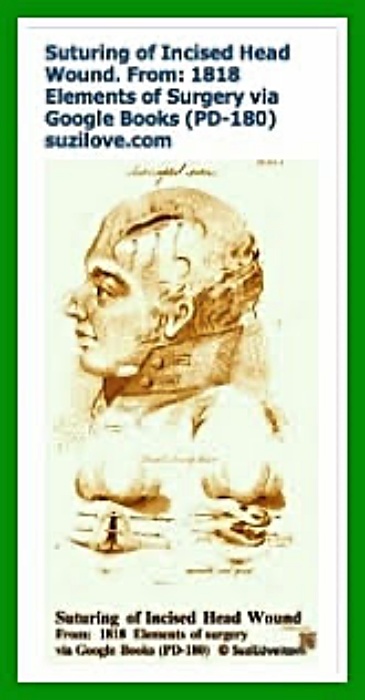
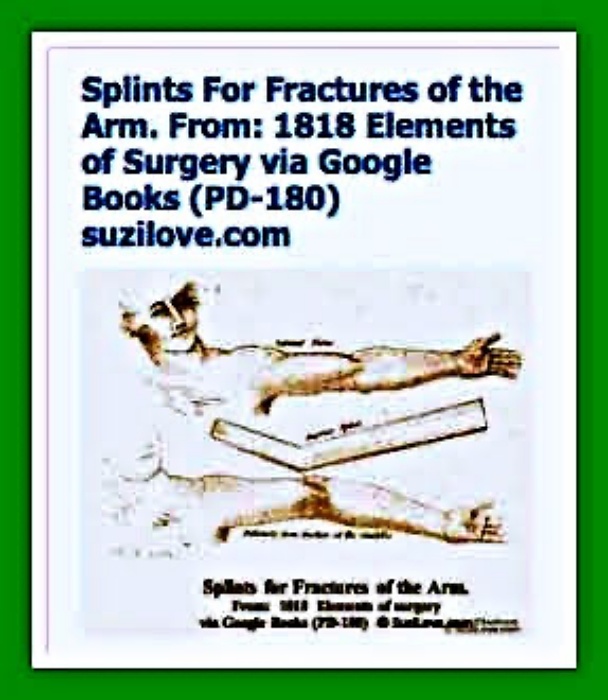
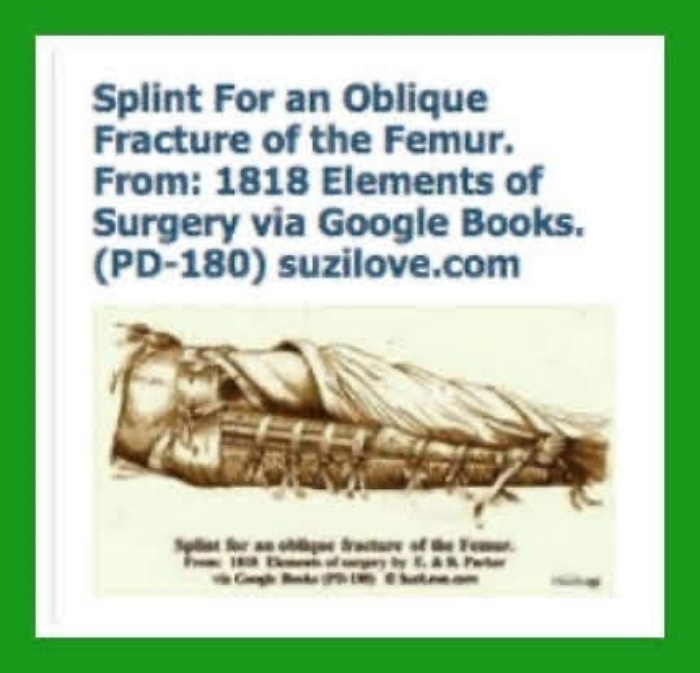
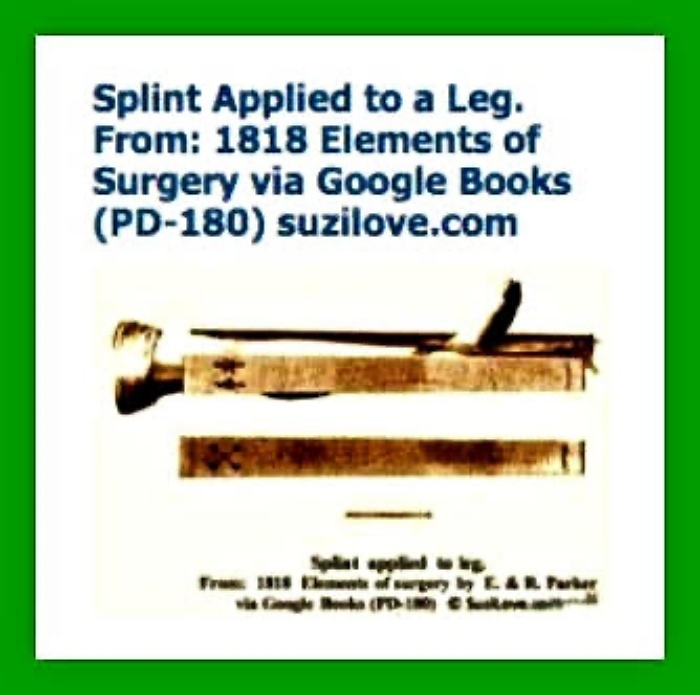
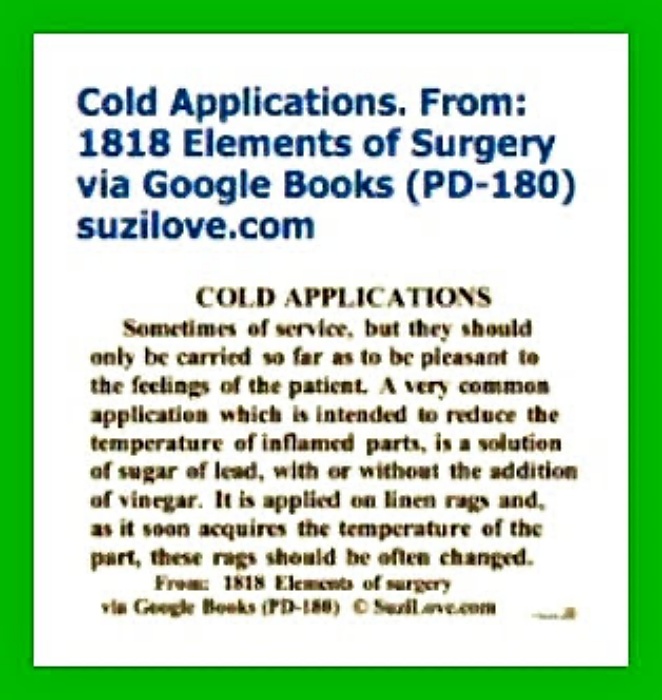
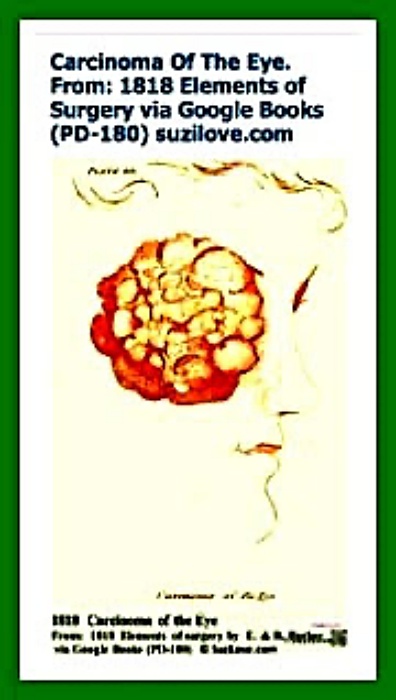
1818 Applying Traction to a Dislocated Limb.1818 Elements of Surgery By John Syng Dorsey. via Google Books (PD-150) 1818 Instruments Used In Eye Operations. 1818 Elements of Surgery By John Syng Dorsey. via Google Books (PD-150) 1818 Percy’s Bullet Forceps For Removing Musket Balls. 1818 Elements of Surgery By John Syng Dorsey. via Google Books (PD-150) 1818 Cannula For Laryngotomy. . 1818 Elements of Surgery By John Syng Dorsey. via Google Books (PD-150) 1818 Bed For Treating Patient with Long Term Fracture. 1818 Elements of Surgery By John Syng Dorsey. via Google Books (PD-150)1818 Suturing Of Incised Head Wound. 1818 Elements of Surgery By John Syng Dorsey. via Google Books (PD-150) 1818 Splints For Fractures of the Arm. 1818 Elements of Surgery By John Syng Dorsey. via Google Books (PD-150) 1818 Splint For an Oblique Fracture of the Femur. 1818 Elements of Surgery By John Syng Dorsey. via Google Books (PD-150) 1818 Splint Applied To A Leg. 1818 Elements of Surgery By John Syng Dorsey. via Google Books (PD-150) 1818 Local remedies For Treating Inflammation. 1818 Elements of Surgery By John Syng Dorsey. via Google Books (PD-150) 1818 Cold Applications. 1818 Elements of Surgery By John Syng Dorsey. via Google Books (PD-150) 1818 Instruments To Remove a Portion Of The Skull (Trepanning). 1818 Elements of Surgery By John Syng Dorsey. via Google Books (PD-150) 1818 Instruments For Operating On The Eye. 1818 Elements of Surgery By John Syng Dorsey. via Google Books (PD-150) 1818 Fractures Of The Clavicle Or Collar Bone. 1818 Elements of Surgery By John Syng Dorsey. via Google Books (PD-150) 1818 Fractures Of The Thigh. 1818 Elements of Surgery By John Syng Dorsey. via Google Books (PD-150) 1818 Elements of Surgery By John Syng Dorsey. via Google Books (PD_150)1818 Carcinoma Of The Eye. 1818 Elements of Surgery By John Syng Dorsey. via Google Books (PD-150)