1816 Ball Dress, French, as worn by the Bridgertons and Jane Austen. White short length dancing dress, multiple frills above hem, black bodice with a back bow, hair braided and pinned into an upswept evening style. Fashion Plate via Journal des Dames et des Modes, or Costume Parisien.
Women’s clothing came in the late 1810s came in a wide range of styles to suit every season and occasion. When attending assemblies or balls, ladies in Jane Austen’s times women wore Empire style dresses which were usually of light fabric and floaty in style and often of a shorter length suitable for dancing.
1814 Jane Austen, Mansfield Park. “Give a girl an education and introduce her properly into the world, and ten to one but she has the means of settling well, without further expense to anybody.”
1820-1850 ca. Chemise, Corset, Quilted Petticoat and Pocket. Gift of Mary S. Belden. Corset About 1820-1830 ca. CHS Collection. Pocket About 1820-1840 ca. Chemise About 1839-1850 ca. via Chicago History Museum, U.S.A.
Chemise Or Shift: Sleeveless, mid-calf length garment of white cotton or muslin was worn next to the skin under stays or corset. Called ‘Shift’ from early Georgian (1700-1750) until Late Georgian (1750-1790) to replace ‘Smock’. By 1800, name shift was replaced by ‘Chemise’.
Corset: French term for stays. Structured bust supporting or body shaping foundation garment. Tightened by laces and often with reinforcing e.g. boning, cording and flossing.
From the Curator Victoria and Albert Museum, London: Quilting was a popular form of decoration for a variety of garments including pockets. However, hand-quilting was a time-consuming method of decoration. The increased demand for quilted petticoats, waistcoats and pockets led to the invention of woven quilting.
1809 Women’s Fashions: Dresses, Shawls, Hats and Jewelry from various fashion magazines. Typical of the outfits worn by Jane Austen and her contemporaries for daytime and evening activities. An Empire style, or high-waisted white cotton dress worn under a Spencer or short jacket, a Redingote, or coat, for warmth and with pretty hats, shawls and shoes.
1800 White Muslin Dress, European. Empire style, high-waisted dress of light weight cotton, with softly falling gathered long skirt and with a train. via Los Angeles County Museum of Art, California, USA. collections.lacma.org
The type of dress worn across Europe in the early 1800s. This sort of high-waisted dress would have been worn by Jane Austen and her contemporaries in England. The Empire waist gown defined women’s fashion during the Regency Era. ‘Empire’ is the name given in France to the period when Napoleon built his French Empire. High-waisted, loose gowns were adopted by the aristocracy as a symbol of turning away from the fussy, elaborate and expensive clothing worn in the 1700s.
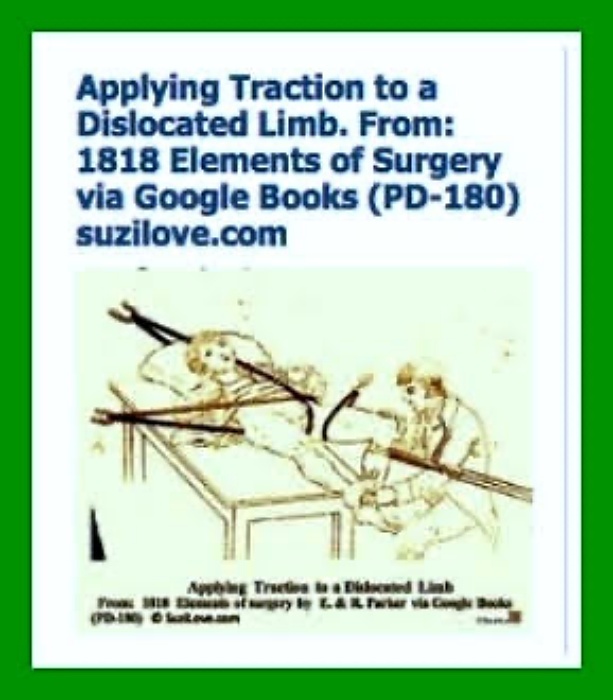
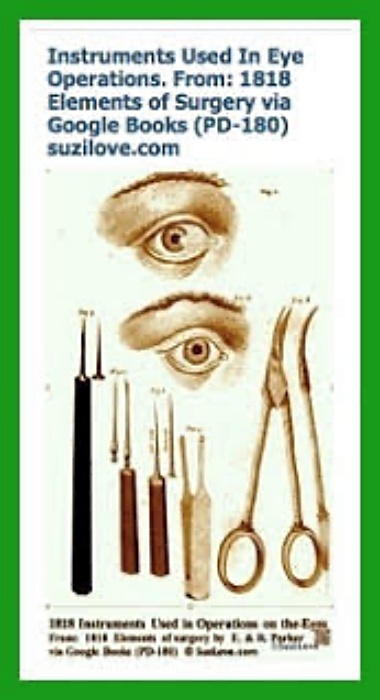
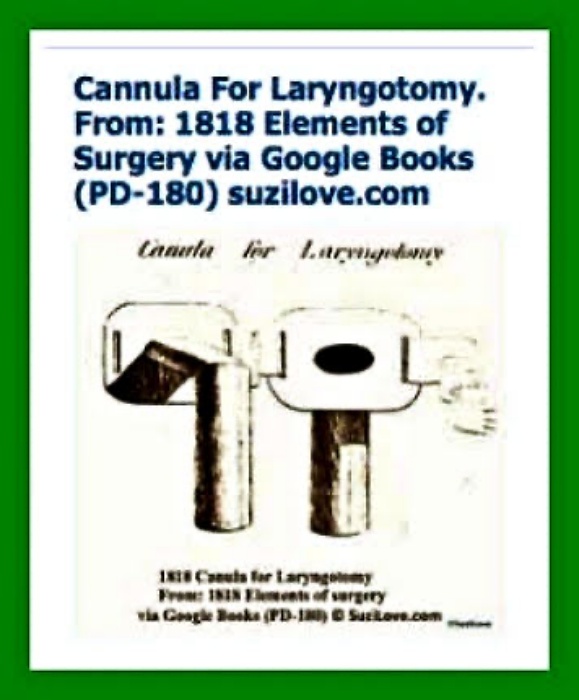
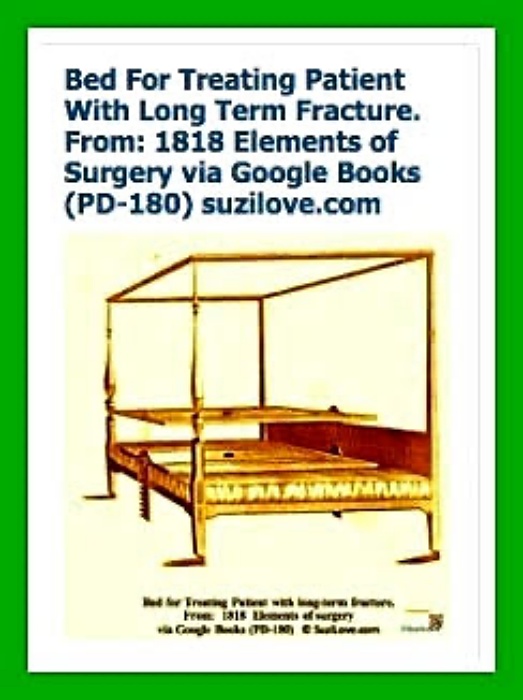
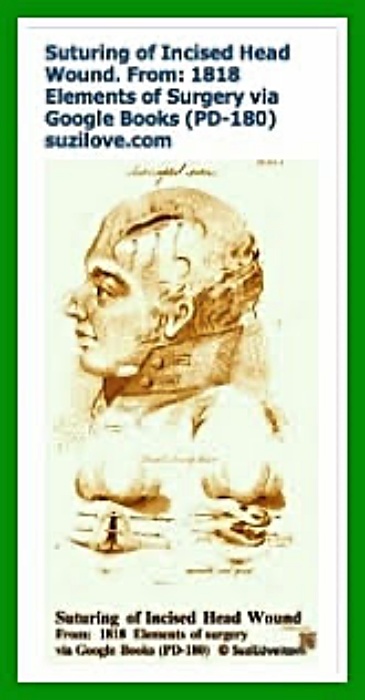
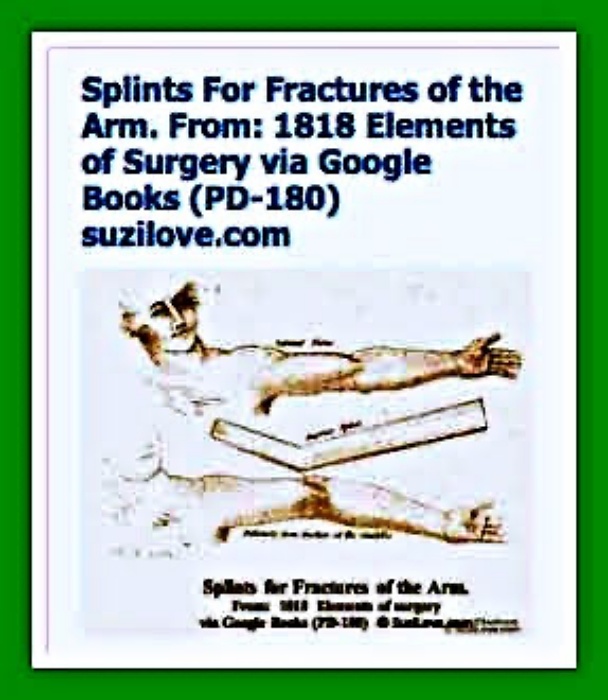
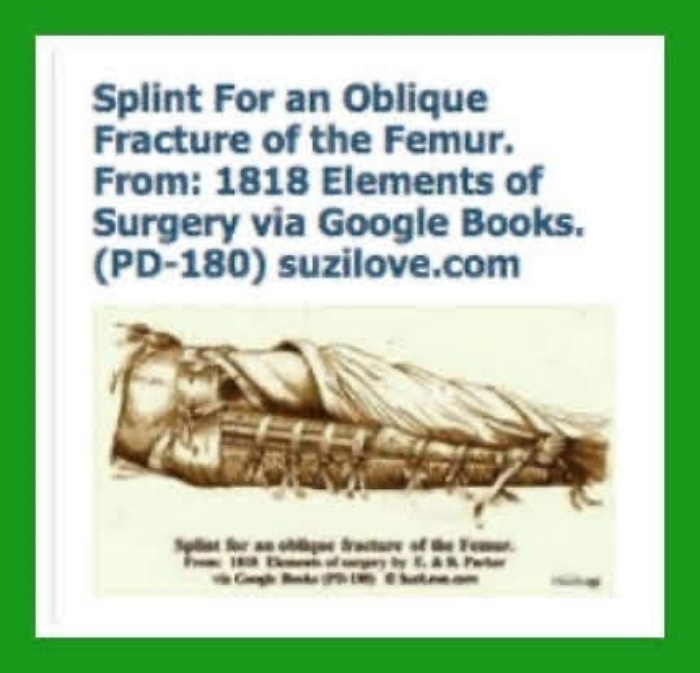
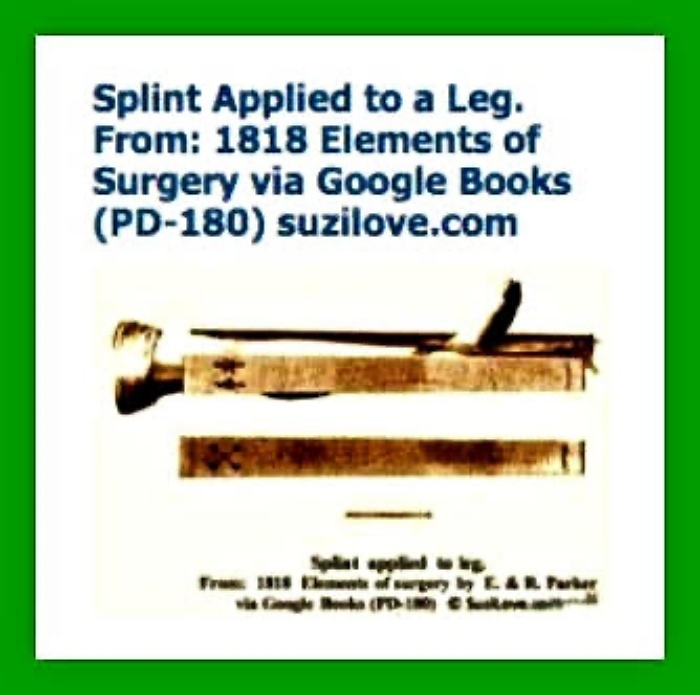
Medical History. Images from historical surgery and hospital treatments after surgery. 1818 Elements of Surgery. Via Google Books (PD-200) All these images can be found on my Pinterest board for History – Medical. In Jane Austen’s times, medical problems were mainly dealt with in the home. A surgeon or apothecary might be called but the care of the patient and administering medications and treatments was the family’s responsibility, possibly with the help of servants.
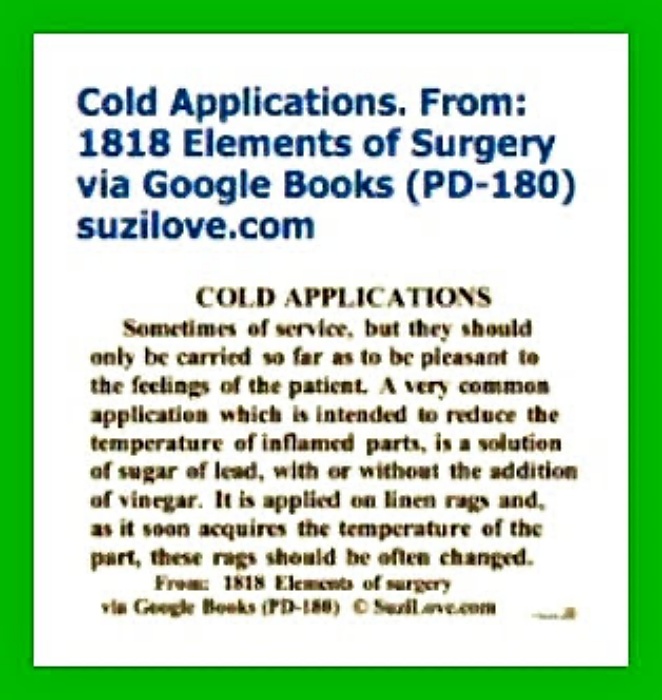
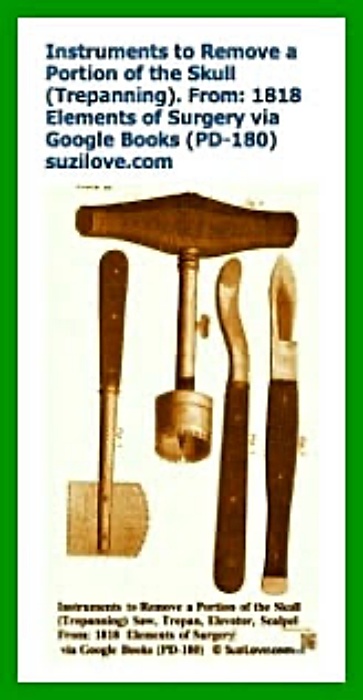
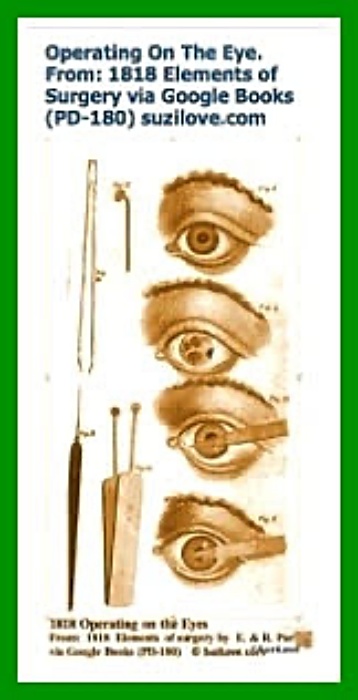
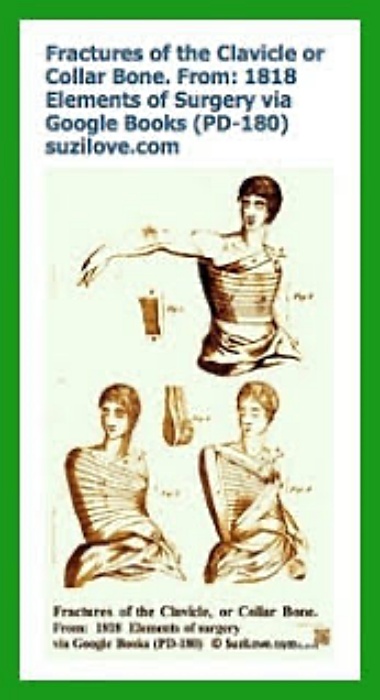
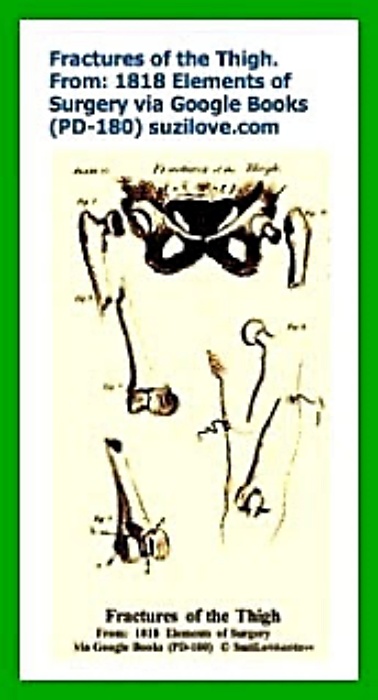
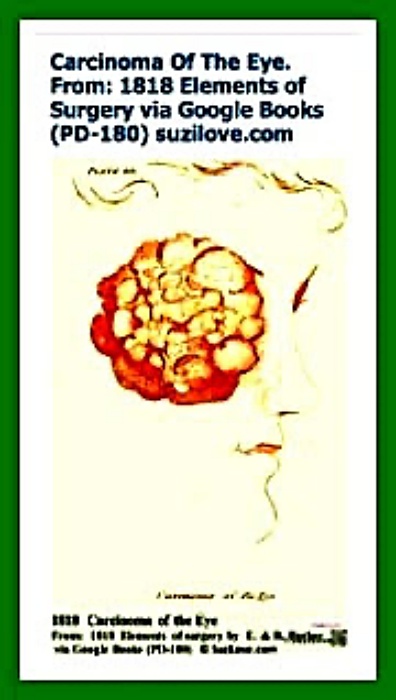
1818 Applying Traction to a Dislocated Limb.1818 Elements of Surgery By John Syng Dorsey. via Google Books (PD-150) 1818 Instruments Used In Eye Operations. 1818 Elements of Surgery By John Syng Dorsey. via Google Books (PD-150) 1818 Percy’s Bullet Forceps For Removing Musket Balls. 1818 Elements of Surgery By John Syng Dorsey. via Google Books (PD-150) 1818 Cannula For Laryngotomy. . 1818 Elements of Surgery By John Syng Dorsey. via Google Books (PD-150) 1818 Bed For Treating Patient with Long Term Fracture. 1818 Elements of Surgery By John Syng Dorsey. via Google Books (PD-150)1818 Suturing Of Incised Head Wound. 1818 Elements of Surgery By John Syng Dorsey. via Google Books (PD-150) 1818 Splints For Fractures of the Arm. 1818 Elements of Surgery By John Syng Dorsey. via Google Books (PD-150) 1818 Splint For an Oblique Fracture of the Femur. 1818 Elements of Surgery By John Syng Dorsey. via Google Books (PD-150) 1818 Splint Applied To A Leg. 1818 Elements of Surgery By John Syng Dorsey. via Google Books (PD-150) 1818 Local remedies For Treating Inflammation. 1818 Elements of Surgery By John Syng Dorsey. via Google Books (PD-150) 1818 Cold Applications. 1818 Elements of Surgery By John Syng Dorsey. via Google Books (PD-150) 1818 Instruments To Remove a Portion Of The Skull (Trepanning). 1818 Elements of Surgery By John Syng Dorsey. via Google Books (PD-150) 1818 Instruments For Operating On The Eye. 1818 Elements of Surgery By John Syng Dorsey. via Google Books (PD-150) 1818 Fractures Of The Clavicle Or Collar Bone. 1818 Elements of Surgery By John Syng Dorsey. via Google Books (PD-150) 1818 Fractures Of The Thigh. 1818 Elements of Surgery By John Syng Dorsey. via Google Books (PD-150) 1818 Elements of Surgery By John Syng Dorsey. via Google Books (PD_150)1818 Carcinoma Of The Eye. 1818 Elements of Surgery By John Syng Dorsey. via Google Books (PD-150)Medical History. Images from historical surgery and hospital treatments after surgery. 1818 Elements of Surgery. #janeAusten #RegencyEra #Medical #GoogleBooks Share on X