In Jane Austen’s times craftsmen created boxes and containers of precious metals, leather, silks, and decorated them with jewels. Boxes, Cases, Etui, Necessaire and everything else that was used to carry essential items for travel, sewing, medicine, writing, and toiletries. Containers were engraved to make exquisite and expensive items as well as practical carrying cases. books2read.com/suziloveBoxesCases
19th Century Snuff Boxes. Not only were boxes made to serve a purpose, but decorative boxes of all types were prized, especially in the 18th-19th Centuries when everything decorative and extravagant was in vogue and taking a pinch of snuff was fashionable. Snuff is made from ground or pulverized tobacco leaves and is sniffed from a pinch of snuff placed on the back of the hand.Flavorings were added to the tobacco to give a fast hit of nicotine and a lasting scent. Snuff began in the Americas and was used in Europe by the 17th Century.
Snuff became popular from the mid 1600s to the mid 1800s and was more popular than smoking. Inhaling snuff, or snuffing, was first seen by a European missionary in 1493 in Christopher Columbus’s new world within Haiti’s indigenous Taino. Until then, tobacco had been unknown to Europeans, but its use spread quickly throughout Europe during the 1500s. By the second half of the 17th century, ornate boxes started being produced to keep the precious powder dry and an entire industry making accessories blossomed around the fashion of taking snuff. Noblemen, and some women, carried extravagantly decorated snuff boxes with them at all times and would offer a pinch of their own particular blend to friends and family. Therefore, these boxes were always on display and so it became a competition to see who could have the most bejeweled or expensive box possible. By the mid 1800s, snuff taking was no longer popular so these exquisite and expensive snuff boxes became decorative, rather than functional.
19th Century Shoe Snuffbox. via 1st Dibs Auctions 1stdibs.com19th Century Engraved Horn Snuffbox. Heart surrounded by flowers and leaves, sides with dove, symbol of purity and peace, brass hinge and setting. via 1st Dibs Auctions19th Century Carved Boxwood Snuffbox. Horse with saddle for a lid. via 1st Dibs Auctions
1804-1809 ca. Snuffbox in the Shape of A Lion, Moulinie, Bautte and Cie, Geneva, Switzerland.via Victoria and Albert Museum.1820 Snuffbox with scene of harvesting fruit. By Johann Wilhelm Keibel (master 1812; died 1862). via Metropolitan Museum New York City, U.S.A. metmuseum.org1810 ca. Jeweled Gold Snuff Box, Switzerland. Maker’s Mark Geneva. via Christie’s Auction Rooms. christies.com 19th Century Taking Snuff and Pretty Snuff Boxes In Bridgerton and Jane Austen Years. #bridgerton #RegencyEra #JaneAusten #Antiques https://www.books2read.com/suziloveBoxesCases Share on X
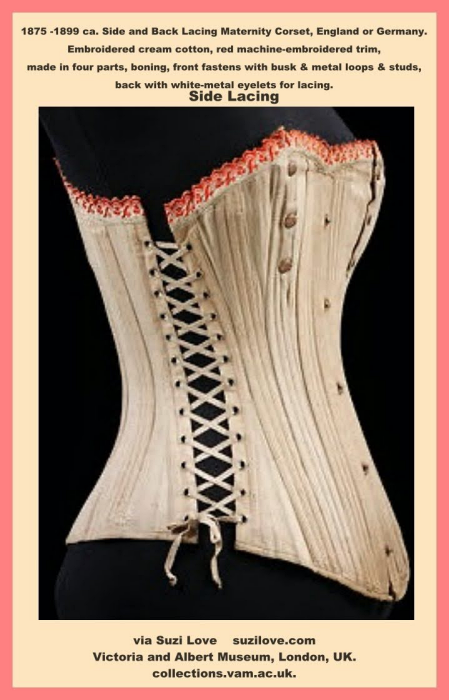
This book shows how corsets changed to both provide support and also fit well under clothing to give a fashionable silhouette. Corsets started being a fashion item, rather than simply underclothing to be hidden. Romantic Era women’s fashionable corsets. Corsets worn from 1830-1850, or the Romantic Era of fashion. https://books2read.com/SuziLoveCorsetBook18 Corsets 1830-1850 History notes Book 18
Tired past the point of arguing, Gabe undid the buttons on his trousers and awkwardly sank to the floor. Thin though the mattress was, he groaned with relief to be seated and able to stretch out his aching leg. He bent and tugged at his boots, but Lady Melton swatted his hands away. “Lean back and let me take care of you.”
He blinked at her in surprise. His uncle’s housekeeper had filled the role of mother for him often enough, but other than Mrs. Green, no one had ever fussed over his physical well-being. The women he’d been intimate with had fretted over pleasing him sexually, but his role as the male and provider had been to ensure they were well-housed, fed, and clothed. Role reversal made him uncomfortable, and yet Anne’s caring was oddly reassuring.
His upcoming task wasn’t going to be easy. Eleven men, a lady, and a small boy had to be transported to England. Plus, Wellesley’s dispatches were sewn into the lining of his uniform, which not even the Lieutenant knew. Gabe carried the official summation of the battle, papers that he’d been ordered to personally deliver to the War Office in London. Messengers were adequate for shorter notes, but the War Office needed a full report from Wellington, plus observations from his trusted officers, which amounted to a hefty and valuable package for him to conceal.
If Anne could lessen his pain, even a little, his thinking would be clearer during their journey, and only an ungrateful idiot would refuse her offer.
Music history from the 17th, 18th, and 19th Centuries. Pianos, pianofortes, harps, viols, violins played during Jane Austen’s times. Musical Instruments were so important in most of the more affluent households in history that large industries grew all around the world to manufacture instruments, musical accessories, and to print sheet music. Musical instruction and encouragement could be found everywhere and both young ladies and gentlemen were encouraged to have musical appreciation. And of course, playing music was on the list of social requirements for all young ladies desirous of becoming a wife and homemaker.
London became Europe’s leading centre for the manufacture of scientific instruments and this led to the manufacture of more musical instruments as well as factories developed and rail transport helped the faster distribution of goods to regional areas. One of the first places that music was used to tell stories and to share enjoyment was in Christmas music. Because music was such an integral part of households, music was always a feature in Magazines. There were advertisements everywhere for musical instruments for sale, for sheet music, and for music lessons. And of course, of most interest to the ladies were the hundreds of fashion plates included in magazines where people were depicted with their musical instruments.
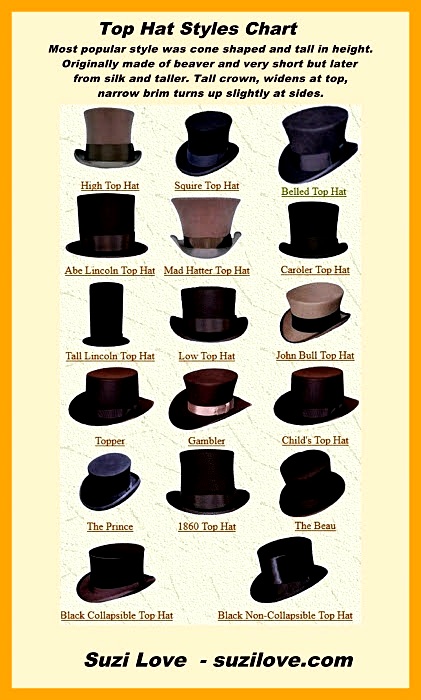
Want To Know More About Georgian Era Men’s Fashions? Try History Notes Book 2 By Suzi Love. Fashion Men 1700s Late. books2read.com/suziloveFashMen1700 What was fashionable for men in the late 1700s? Extravagant colors and fabrics and outrageous styles. Take a look at their suits, hats, accessories and bedroom fashions.
What was fashionable for men in the late 1700s? Extravagant colors and fabrics and outrageous styles. Take a look at their suits, hats, accessories and bedroom fashions. Strictly speaking, the Georgian Era might include all the years that a ‘King George’ ruled in England, but for the purposes of this book the ‘Georgian Era’ is primarily the late 1700s when mad King George III ruled. His son became Prince Regent in the early 1800s, therefore creating the years known as the Regency, and became George IV on the death of his father.
The Georgian years officially ended with the death of King George IV in 1830.
Do you need more factual and visual information for your historical fiction? Try History Notes Books 1-28. Non-fiction Series: Fashion, corsets, Regency Era, music and social manners in the 18th and 19th centuries e.g.
1780 Rolltop Desk, With Removable Legs Germany. By Master Furniture Maker, David Roentgen,German. Numerous woods including oak, pine, walnut, cherry, tulipwood, mahogany, plus gilt bronze, brass, steel and iron, marble and partially tooled and gilded leather. Marquetry motifs of flowers and gardening. Interior pigeonholes and drawers, exterior handles shaped like lion masks holding gilded rings. via Metropolitan Museum, N.Y.C., U.S.A. metmuseum.org
1819 White Percale Dress, French. Deep hem of bubbly muslin, matching Percale Spencer or jacket, pink parasol and flowered straw hat. Spencer has short puffed sleeves over long straight sleeves and military style trimmings. Fashion Plate via Journal des Dames et des Modes, or Costume Parisien. Even though this a French fashion plate, this is typical of the outdoor outfit worn by Jane Austen and her contemporaries when going outside. An Empire style, or high-waisted white cotton dress worn under a Spencer, or jacket, for warmth and with a parasol to protect fair complexions from the sun.
Description Spencer: Short jackets worn for warmth over the high-waisted Empire style gowns that were popular after the French Revolution, where there was a shift away from opulence and decadence to simpler fashion. This jacket with very short bodice and long sleeves was known as a Spencer and was named after the male coat made famous by the Earl Spencer and said to have originated in accident to Lord Spencer in hunting when coat tails torn off and a cropped jacket was invented. The dresses in the early 1800s therefore became looser, lighter, and flowing and women became cold due to their very low cut and short bodices. Short fitted jackets that went easily over the dresses and provided extra modesty and some warmth. As Europe and many other parts of the world were deep in wars in the late 1700s and early 1800s, men in uniform were found everywhere. In support of these military men, fashions leaned towards military style shoulder paddings, shoulder embellishments, loops, buttons, and braids.
Definition Percale or Perkale: From the Persian word pargalah. Fine cotton fabric, or cambric muslin of good quality, originally from India, generally bleached, printed and finished without gloss. Contains more dressing than ordinary muslin, but without the glossy finish of cambric and is printed in fancy patterns on white and colored grounds. In May 1816, Percale was commented on in Rudolph Ackermann’ Repository Of Arts, “Perkale, as they call cambric muslin, is now almost the only thing worn in the morning costume: you must not, however, fancy that this proceeds from a wish to encourage English manufacture, but partly from a love for novelty, and partly because it is less expensive than cambric, and equally fashionable.”
1818 Military style Redingote, or Coat,or Walking dress, French. High-waisted pale blue outdoors coat with military style braiding and decoration on bodice and sleeves. Matching hat is fitted to her head but with a large high brim and white feathers, or plume, blue walking boots and gloves. The type of outfit young Regency Era ladies would have worn if they were out shopping on Bond Street, walking in a park, or taking a carriage ride through Hyde Park. Fashion Plate via Journal des Dames et des Modes, or Costume Parisien. .
Definition Redingote Or Pelisse Or Walking Dress Or Coat: French word developed from English words, riding coat. Long fitted outdoor coat worn over other garments for warmth. Often left open at the front to show off the dress underneath. Sometimes cut away in front. Originally made with several capes and trimmed with large buttons. French fashion plates call these coats Redingotes and they are designed for women, men and children. English fashion plates call them a Pelisse, a walking dress, Promenade dress, or Carriage dress.