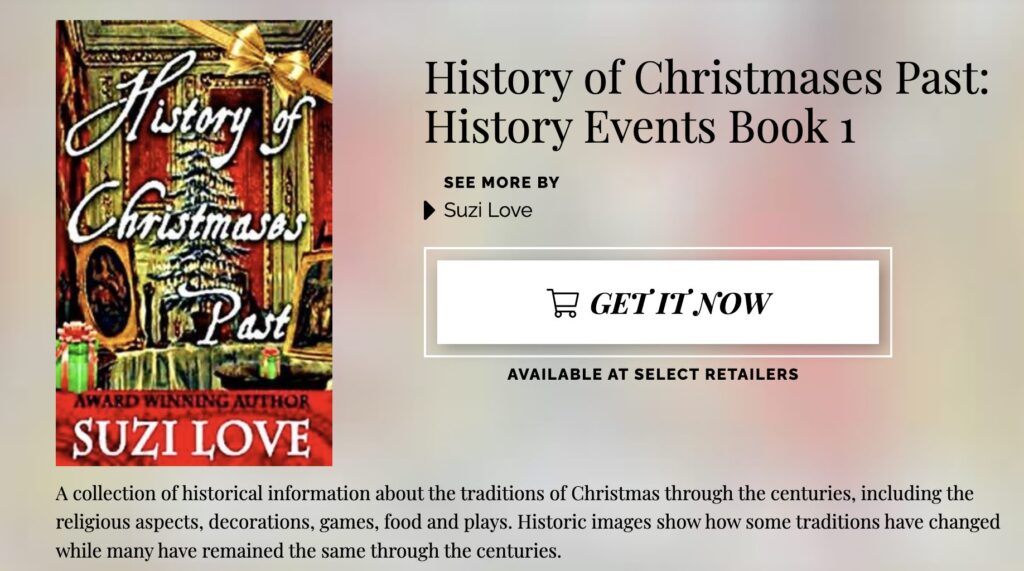
How did they celebrate Christmas in Bridgerton and Jane Austen times? Historical information about the traditions of Christmas through the centuries, including the religious aspects, decorations, games, food and plays. History Of Christmases Past has lots of information and images about Christmas through the centuries, including religious aspects, decorations, games, food and plays. Historic images show how some traditions have changed while many have remained the same through the centuries. books2read.com/suziloveHOCP
What did ladies do and wear in Jane Austen’s time, or early 1800s? #Regency #History #nonfiction Books 4 and 5 Regency Life Series. Young Lady’s Day and Older Lady’s Day in Books 4 and 5 in the Regency Life Series. These books depict the often-frivolous life and fashions of ladies in the early 1800’s, or during the lifetime of Jane Austen, but also gives a glimpse into the more serious occupations ladies may undertake. Through historic images, historical information, and funny anecdotes, they show how a lady fills her day, where she is permitted to go, and who she spends time with. These light-hearted looks at the longer Regency years are an easy to read overview of what people did and wore, and where they worked and played. There is plenty of information to interest history buffs, and lots of pictures to help readers and writers of historical fiction visualize the people and places from the last years of the 18th Century until Queen Victoria took the throne. Young Lady’s Day ~ Older Lady’s Day
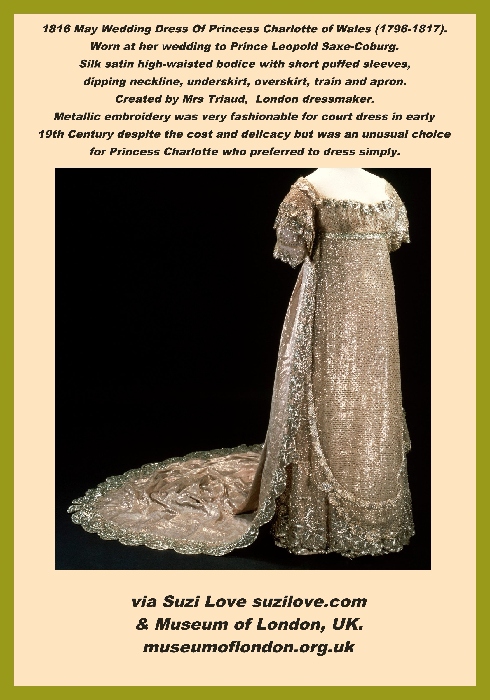
1816 May Wedding Dress Of Princess Charlotte of Wales (1796-1817). Worn at her wedding to Prince Leopold Saxe-Coburg. Silk satin high-waisted bodice with short puffed sleeves, dipping neckline, underskirt, overskirt, train and apron. Created by Mrs Triaud, London dressmaker although this may not be the original skirt. Metallic embroidery was very fashionable for court dress in early 19th Century despite the cost and delicacy but was an unusual choice for Princess Charlotte who preferred to dress simply. via Museum of London, UK. museumoflondon.org.uk
The wedding dress of Princess Charlotte Augusta as described in La Belle Assemblee magazine for May, 1816.
“As we have been gratified with a sight of the wedding dresses of this amiable and illustrious female, a particular yet concise account of them cannot but be acceptable to our fair readers. The Royal Bride, happy in obtaining him whom her heart had selected, and whom consenting friends approved, wore on her countenance that tranquil and chastened joy which a female so situated could not fail to experience.
Her fine fair hair, elegantly yet simply arranged, owed more to its natural beautiful wave than to the art of the friseur; it was crowned with a most superb wreath of brilliants, forming rosebuds with their leaves. Her dress was silver lama [lamé] on net, over a silver tissue slip, embroidered at the bottom with silver lama in shells and flowers. Body and sleeves to correspond, elegantly trimmed with point Brussels lace.
The manteau was of silver tissue lined with white satin, with a border of embroidery to answer that on the dress, and fastened in front with a splendid diamond ornament. Such was the bridal dress … The jewellery of the royal bride is most superb; beside the wreath, are a diamond cestus, ear- rings, and an armlet of great value, with a superb set of pearls.
Fashion Women 1815-1819 History Notes Book 28 https://books2read.com/SuziLoveFashionWomen1815-1819
1800s Different Degrees Of Nobility In Great Britain and Ireland. FIVE LEVELS.
BENEATH THESE COME THE BARONS: The rank and precedence of Baronets is immediately after the younger sons of Barons, and before all Knights, whether of the Order or Knights. When the Order of Baronets was first instigated, its numbers were limited to 200. Members were carefully selected from the most wealthy and distinguished families of landed gentry. In the reign of the first Charles, it was the stimulus and reward for devoted loyalty. Later, it was often bestowed as an honorary recompense for sufferings and attachment when royalty was unable or unwilling to give solid remuneration. FROM: 1835 Debrett’s Baronetage of England
PRINCES of the BLOOD ROYAL: The Sovereign’s sons, brothers, and uncles are styled Princes of the Blood Royal, and have precedency of all other dukes, with the title of Royal Highness, which title was also, by special warrant, in 1816, conferred on the duke of Gloucester, deceased, and, 6th April 1818, on Prince Leopold of Saxe Cobourg (King of the Belgians). FROM: 1840 Debrett’s Peerage of the UK
THE PRIVILEGES OF THE PEERS OF THE UNITED KINGDOM OF GREAT BRITAIN AND IRELAND. The nobility of England enjoy many great privileges, the principal of which are as follow:-
1. They are free from all arrest for debts, as being the king’s hereditary counsel
lors. Therefore a peer cannot be outlawed in any civil action and no attachment lies against his Person. This privilege extended also to their members of the lower house, till the year 1770, when their lordships joined the house of commons in a bill for abolishing it.
2. In criminal causes they are only tried by their peers, who give their verdict, not upon oath as other juries, but only upon their honor: and then a court is fitted up for the purpose in the middle of Westminster hall, at the king’s charge.
3. To secure the honor of, and prevent the spreading of any scandal upon peers, or any great officer of the realm,there is an express law called scanda lum magnutum by which any man convicted of making a scandalous report against a peer of the realm ( though true ) is condemned to an arbitrary fine , and to remain in custody till the same be paid .
4. Upon any great trial in a court of justice a peer may come into the court and sit there uncovered. No peer can be covered in the royal presence without permission for that purpose, except the lord baron of Kinsale, of his majesty’s kingdom of Ireland. In case of the poll tax, the peers bear the greatest share of the burden, they being taxed every one according to his degree.
1800-1810 ca. Flat Silk Slippers With Ankle Ties Worn By Empress Josephine Bonaparte and As Worn By Jane Austen And friends. #Regency #Shoes #JaneAusten #France
Shoes in the early 1800s were flat or low heeled and occasionally decorated with a bow or floral embellishments and it wasn’t until the 1820s that square, rather than rounded or pointed toes became fashionable. Made of soft kid or cloth, these delicate shoes were flimsy and wore out quickly. There was often no difference between a left or right shoe, so when one slipper had a hole it was easily replaced. Slippers were often bought in multiples at a time so there were spares.
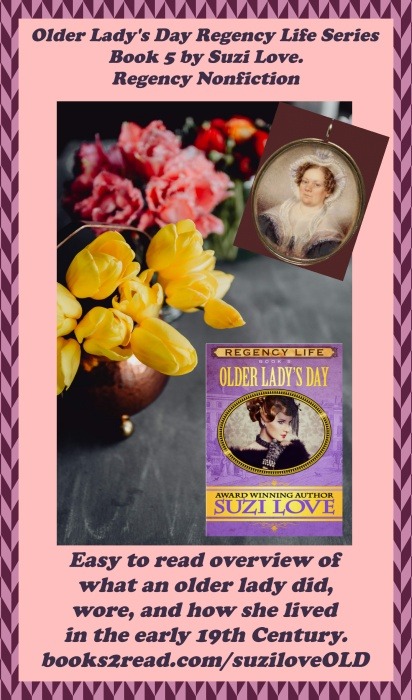
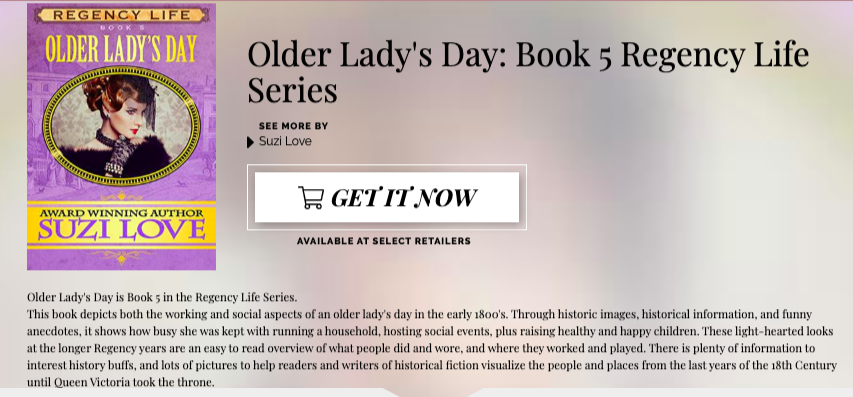
Easy to read overview of what an older lady did, wore, and how she lived in Jane Austen and Bridgerton’s time. Information for history buffs and pictures for readers and writers of historical fiction. Older Lady’s Day Regency Life Series Book 5 by Suzi Love books2read.com/suziloveOLD
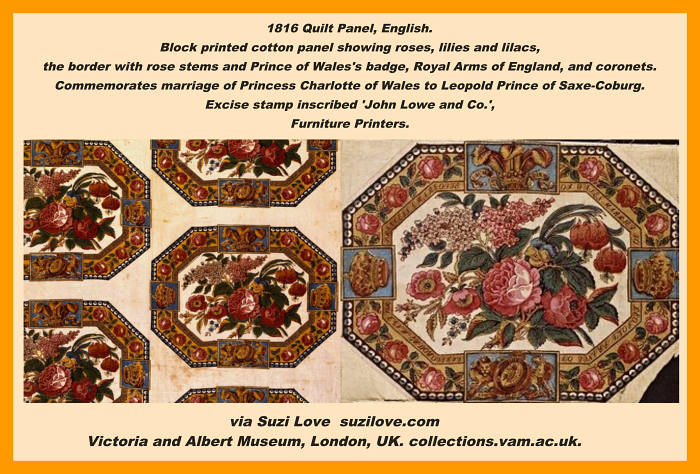
1816 Block Printed Quilt Panel made to celebrate the Marriage of Princess Charlotte to Prince Leopold of Saxe-Coburg.
Textile of block-printed white cotton in madder colours with pencilled blue. The cotton is printed with 9.5 octagonal panels intended to be cut out and applied to patchwork quilts. Each panels contains a bunch of flowers. Around the inner border is an inscription of Princess Charlotte of Wales married to Leopold Prince of Saxe-Coburg May 2, 1816. In the borders are three Prince of Wales feathers, the Royal Arms, and a crown on each side. At the end of the textile is printed a rectangular panel containing the manufacturers name and in a corner is the name ‘G. Swindels’.
This quilt has an excise stamp for 1816 and is inscribed ‘John Lowe and Co. Furniture Printers, Shepley Hall’, providing the name of the only identifiable manufacturer of these panels, although there are likely to have been others. John Lowe was a well-known firm of calico printers with large cotton factories and extensive bleaching grounds close to the River Tame near Ashton-under-Lyne in Lancashire.
Hand-quilting is done on a frame using needles called ‘betweens’. The stitches are executed with one hand; the other hand is kept underneath the quilt to feel for the needle. Small, uniform stitches (usually a ‘running stitch’) are taken through the three layers to form a decorative design. In ‘piecing’ or ‘patchwork’, small pieces of fabric are sewn together to produce a decorative design. The most enduring method in Britain is done by hand, and is known as ‘piecing over paper’. The pattern is first drawn onto paper and then accurately cut. Small pieces of fabric are tacked round each of the shapes, and then joined together from the back using overstitch. Most of the quilt top visible here has been pieced over paper, but in some areas the fabrics have been applied directly on to the earlier quilt that forms the wadding.