1814 Statistics On Classes, Properties and Population In Great Britain. From: 1814 A Treatise On Wealth and Power. By Patrick Colquhoun. These are the statistics for England in Jane Austen’s time, or the early 1800s, or Regency Era.
What was fashionable for women in Jane Austen’s times? Mourning, riding, daytime, evening clothing, plus underclothing, corsets and accessories. Fashion Women 1810-1814 History Notes Book 27 This book looks at what was fashionable for women in Jane Austen’s times, or the early 1800s, or the Regency Era in Britain. Wars were being fought around the globe so women’s fashion adopted a military look in support of soldiers. Fashions, like the lifestyle, became progressively more extravagant and accessories went from colorful to over-the-top. https://books2read.com/SuziLoveFashion1810-1814
The Lady’s Magazine said of the basis of women’s fashion that was popular for the first twenty years of the 1800s, ‘White is still the prevailing color for robes. For morning dresses, linen gowns, in large diamonds or squares, are fashionable. Indian muslins, plain or embroidered, are preferred to Florence and satins. The designs of embroidery for shawls are of infinite variety. Long gloves, which reach above the elbow, are not yet laid aside. Medallions are hung around the neck from crossed chains and some of these medallions are shaped like the bags, called ridicules. These reticules are of the lozenge or hexagon shape, with a small tassel at each angle. Reticules, or ridicules, are in lozenge or hexagon shapes with a small tassel at each angle. In capotes, or hats, and ribbands, the violet and dark green prevail over jonquil. Bracelets in hair, pear-shaped ear-rings, medallions on square plates, saltiers of colored stones, are still in fashion.’
1801-1818 ca. ‘Diablo, or devil on two sticks’. Lessons In The Devil Series Plate 55: Man teaching a woman how to play diabolo, or devil on two sticks. via 1801-1818 Le Bon Genre, French. Gentleman in blue tailcoat, high white shirt and cravat, pants and black shoes. Lady in white dress with high frilled neckline, long sleeves and wearing green walking boots. Hand-colored etching. Published by: Pierre La Mésangère. Via British Museum, London, UK britishmuseum.org (PD-Art)
Jane Austen and Games: In Jane Austen’s times, games were a part of daily life. Families played all sorts of games, indoors and outside, to pass the time, especially at house parties or family gatherings.
Diablo, Or Devil On Two Sticks: Double cone type of yo-yo that is twirled, spun, tossed and caught on a string attached to two hand sticks. The toy, or Diablo, is kept spinning by manipulating it back and forth along the string and by tossing into the air. Numerous tricks can be performed e.g. toss, trapeze, cat’s tail and the umbrella.
1818 ‘The Stamford Dandy or A Modern Peeping Tom’. Lord Stamford rides past a row of houses looking through his glass at a woman who stands at an open first-floor window. Other women watch him from the two other windows. Dressed as a dandy with red tailcoat, high white collar and cravat, black top hat and wearing loose white trousers. Artist not known. Via British Museum, London, UK. britishmuseum.org (PD-Art)
From the finish of the 18th century until 1820, men’s fashions in European and European-influenced countries moved away from the formal wear of brocades, lace, wigs and powder to more informal and relaxed styles. Focus was on undress rather than formal dress. Typical menswear in the early 1800s included a tailcoat, a vest or waistcoat, either breeches, pants, or the newer trousers, stockings, shoes or boots, all worn with an overcoat and hat. This basic ensemble was accessorized with some form of neckcloth or cravat, gloves, walking stick, cane or riding crop, handkerchief, fobs, watch and perhaps a quizzing glass or eye glass.
Skirted coats were replaced with short-fronted, or cutaway, tailcoats worn over fitted waistcoats and plain, white linen shirts. Knee breeches were gradually replaced by tight-fitting pantaloons and later trousers, decorative shoes with buckles were replaced with a variety of boot styles, and fussy and ruffled neckwear gave way to intricately tied, white linen neck cloths. A Regency Era, or early 1800s, gentleman was outfitted in more practical fabrics, such as wool, cotton and buckskin rather than the fussy brocades and silks of the late 1700s.
1600 Pair of Backless Chopines. Pine-wood covered with punched kid leather. via Victoria and Albert Museum, London, UK. collections.vam.ac.uk.
Definition Chopine: Women’s platform shoes worn in the 15th, 16th, and 17th centuries. Used as a patten, clog, or evershoe to protect shoes and dresses from mud and street soil. Worn in Venice by courtesans and patrician women from 1400-1700.
These chopines are made of pine-wood. The wood is covered in kid leather with punched decoration and figured silk underlay. This pair are fairly modest. More extreme versions were over 50 cms high. Chopines were based on the shoes worn at Turkish baths. They were first worn by Venetian prostitutes and fashionable Venetian aristocrats then adopted them. The chopine was originally a form of overshoe, which is why it has no back. Later versions could be worn as either overshoes or on their own.
1799 November 24th ‘Parisian Ladies in Their Full Winter Dress for 1800’. By Isaac Cruikshank. Ridiculing excesses of late 1790s Parisian high-waisted Greek look gowns of transparent fabrics and extremely low cut bodices.Full Dress meant every possible accessory was added to outfits.g. elaborate hats, reticules or bags, anklets and jewels. Via British Museum, London, UK. britishmuseum.org (PD-Art)
1799 November 24th ‘Parisian Ladies in Their Full Winter Dress for 1800’. By Isaac Cruikshank. Ridiculing excesses of late 1790s Parisian high-waisted Greek look gowns of transparent fabrics and extremely low cut bodices.Full Dress meant every possible accessory was added to outfits.g. elaborate hats, reticules or bags, anklets and jewels. Via Suzi Love – suzilove.com & British Museum, London, UK. britishmuseum.org (PD-Art)1799 November 24th 'Parisian Ladies in Their Full Winter Dress for 1800'. Caricature By Isaac Cruikshank. #GeorgianEra #Cartoon #BritishHistory books2read.com/suziloveFashWomen1700s Share on XHN_1 Fashion Women Late 1700s History Notes Book 1 by Suzi Love.
What was fashionable for women in the late 1700s? Extravagant colors and fabrics and outrageous styles were all seen in these flamboyant fashions.
books2read.com/suziloveFashWomen1700s
Days and nights used to be counted separately, so the important night was often the night before rather than the night of, which is why some parts of the world celebrate Christmas on Christmas Eve. Therefore, the twelve days of Christmas actually begin on the eve of December 25th, the first night, and end on January 6th, which is Epiphany. The day of December 26 is the first day and the eve of December 26 the second night.
The famous Twelfth Night is the eve of Epiphany and the twelfth day is Epiphany itself. During these twelve days, traditional roles were relaxed or turned upside down so that masters waited on their servants, men were allowed to dress as women and women as men. These crazy antics can also be seen in modern Christmas pantomimes in which authority is mocked, women play male leads and the leading older female character is played by a man.
Twelfth Night
The Twelfth Night festival marked the onset of the winter solstice, the point in late December when the sun, whose daily arc had reached its lowest and darkest.
Twelfth Night is the eve before the twelfth day of Christmas or the Epiphany celebration, which commemorates the adoration of the Magi before the infant Jesus and marks the final night of the Christmas season. Twelve Nights,” which extended from the 25th of December to the 6th of January. The Twelve Nights were religiously observed by numerous feasts, and were regarded by the ancient Germans as among the holiest and most solemn of their festivals.
In Tudor England, the Twelfth Night marked the end of a winter festival that started on All Hallows Eve. A King or Lord of Misrule would be appointed to run the Christmas festivities, and the Twelfth Night was the end of his period of rule. Shakespeare’s play, Twelfth Night, or What You Will, was originally written to be performed as a Twelfth Night entertainment. After Twelfth Night, the Carnival season starts and lasts until Mardi Gras. In some places, Twelfth Night celebrations include food traditions such as the king cake or tortell.
In the Bavarian and Styrian Alps the Twelve Nights are called “Rumor Nights,” on account of their visions of ghosts and hobgoblins, when priests and prudent housewives, with prayer and invocation, holy-water and burning incense, fumigate dwelling and outhouse, and sprinkle their cattle with salt. Hence these nights were also called “Fumigating Nights.” As an additional protection against “witches’ feet” and “devils’ paws,” the initials of the holy magicians were formerly inscribed upon the door-posts. On the dreaded Twelfth-night, when Frau Holle, or Berchta, issues with her fearful train from her wild mountain home, where she dwells among the dead, she is generally preceded by the faithful Eckhart, an old man with a long beard and a white wand, who warns every one of her terrible approach.
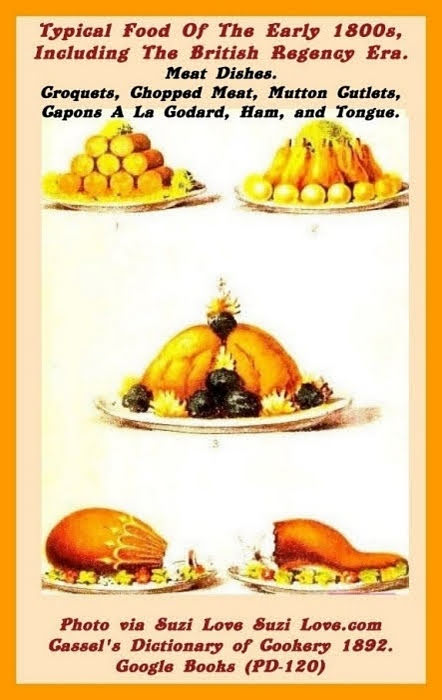
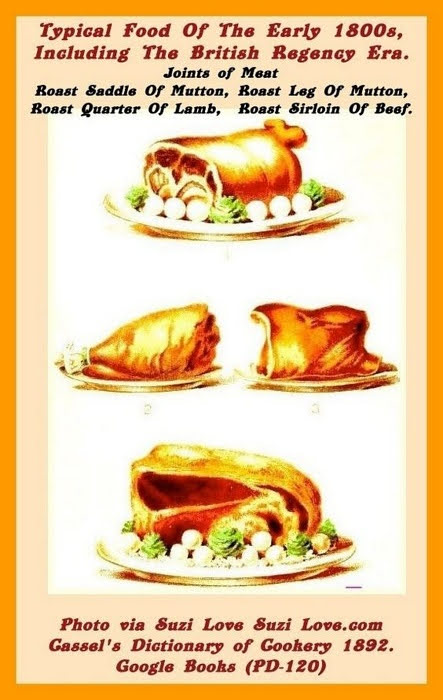
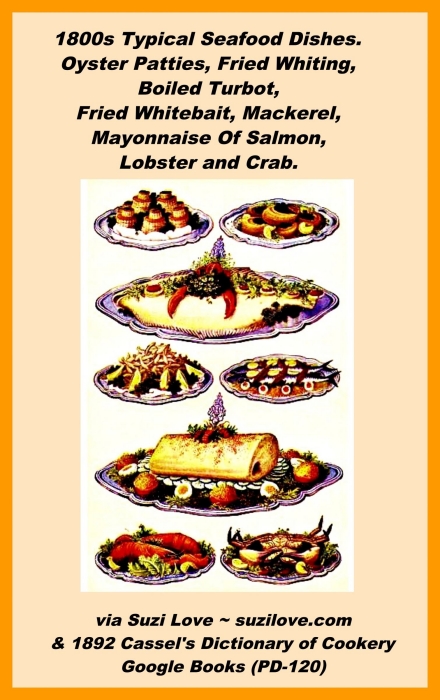
Christmas: Typical Christmas Food Eaten By the Bridgerton and Jane Austen Families. #Christmas #Food #JaneAusten #Bridgerton
On the Christmas menu was generally mince pies and perhaps a goose or a piece of beef, depending on the family’s wealth and status. Mince pies were not made of fruit mince as we do now, but of offal or meat such as bullock’s tongue cooked with spices, orange peel, and wine and then used to fill pastry cases.
Another Christmas specialty was a Yorkshire Christmas pie which would be filled with turkey, goose, a hen, or perhaps woodcocks, partridge, or pigeons. And after the main courses, came the Plum Pudding, mixed on Stir-Up Sunday according to each family’s recipe and then boiled in a cloth.
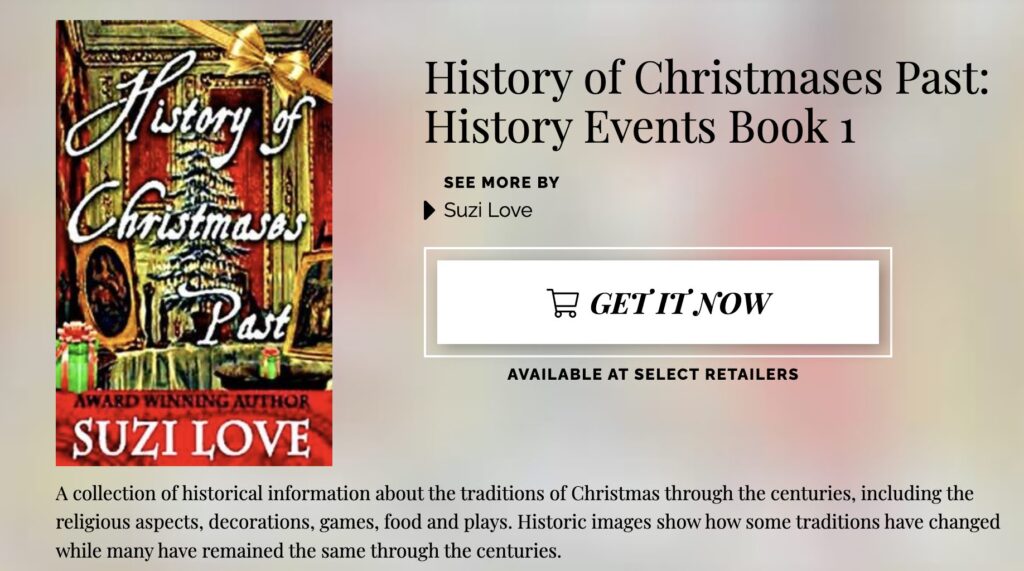
How did they celebrate Christmas in Bridgerton and Jane Austen times? Historical information about the traditions of Christmas through the centuries, including the religious aspects, decorations, games, food and plays. History Of Christmases Past has lots of information and images about Christmas through the centuries, including religious aspects, decorations, games, food and plays. Historic images show how some traditions have changed while many have remained the same through the centuries. books2read.com/suziloveHOCPhttp://books2read.com/suziloveHOCP.