19th Century Food For The Upper Classes In Bridgerton and Jane Austen Times.
Typical Meals Served for the upper classes in the Georgian and Regency Eras. For the Upper classes in the 18th and through to the end of the 19th century, meals were elaborate affairs. and served by well-trained staff anticipated their every need. Women prided themselves on hosting dinners for 50-60 people which often consisted of numerous courses, and all served with the best wines and followed, for the men at least, by expensive port.
An older lady usually controlled the servants and the serving of meals. For more about this, take a look at Older Lady’s Day Regency Life Series Book 5 by Suzi Love. Overview of what an older lady did, wore, and how she lived in the early 19th Century. Information for history buffs and pictures for readers and writers of historical fiction. books2read.com/suziloveOLD
1800s Typical Puddings and Pastries.These are the sort of puddings and pastries Jane Austen’s family would have eaten on a regular basis during the early 1800s, or Regency Era. Open Apple Tart, Galette, Apricot Fritters, Pancakes and Apricot Jam, Charlotte Russe, Macaroni Cheese, Cherry Tart, Mince Pies, Almond Puddings, Tartlets, Compote Of Fruit, Fruit Pudding, Fruit Tart, Christmas Plum Pudding, Milk Pudding and Roly Poly Jam Pudding. From: 1850s- 1860s Mrs. Beeton’s Books of Household Management. via Google Books (PD-150). 1800s Typical Puddings and Pastries Served In Households Like Jane Austen’s. https://books2read.com/suziloveOLD
1820-1850 ca. Chemise, Corset, Quilted Petticoat and Pocket. Gift of Mary S. Belden. Corset About 1820-1830 ca. CHS Collection. Pocket About 1820-1840 ca. Chemise About 1839-1850 ca. via Chicago History Museum, U.S.A.
Chemise Or Shift: Sleeveless, mid-calf length garment of white cotton or muslin was worn next to the skin under stays or corset. Called ‘Shift’ from early Georgian (1700-1750) until Late Georgian (1750-1790) to replace ‘Smock’. By 1800, name shift was replaced by ‘Chemise’.
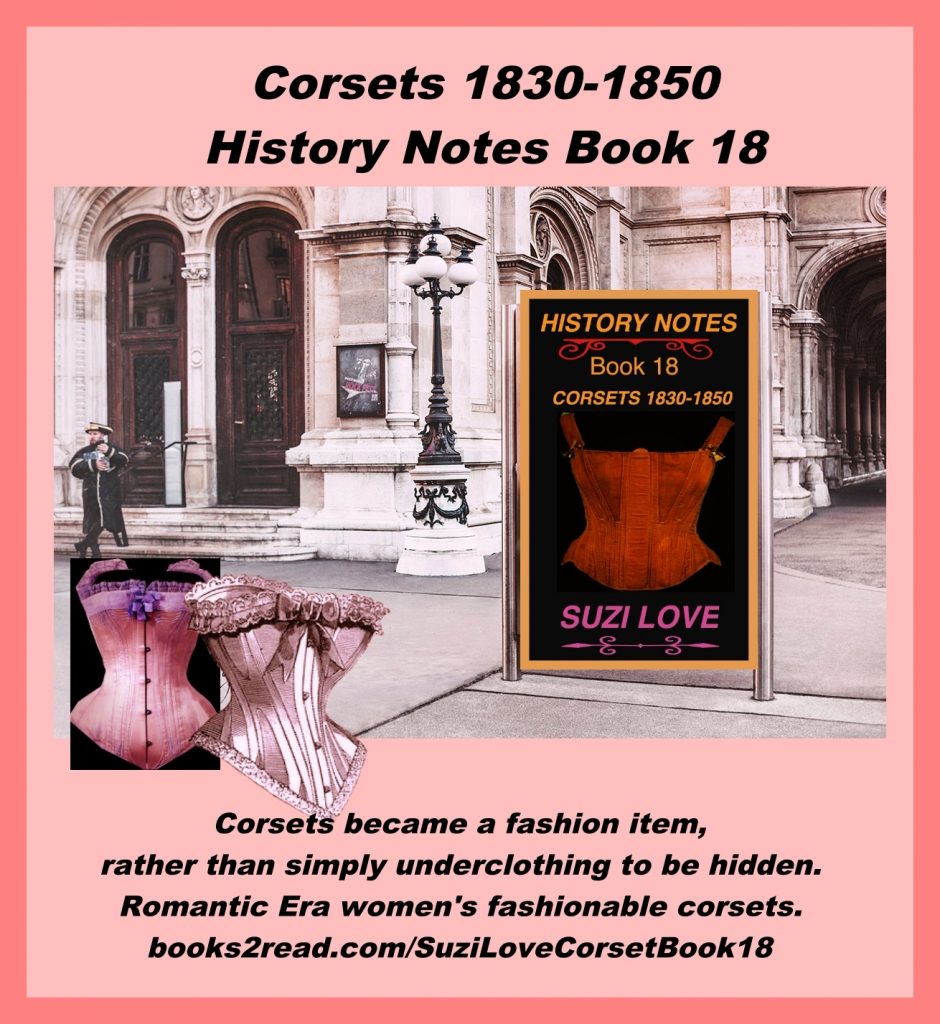
Corset: French term for stays. Structured bust supporting or body shaping foundation garment. Tightened by laces and often with reinforcing e.g. boning, cording and flossing.
From the Curator Victoria and Albert Museum, London: Quilting was a popular form of decoration for a variety of garments including pockets. However, hand-quilting was a time-consuming method of decoration. The increased demand for quilted petticoats, waistcoats and pockets led to the invention of woven quilting.
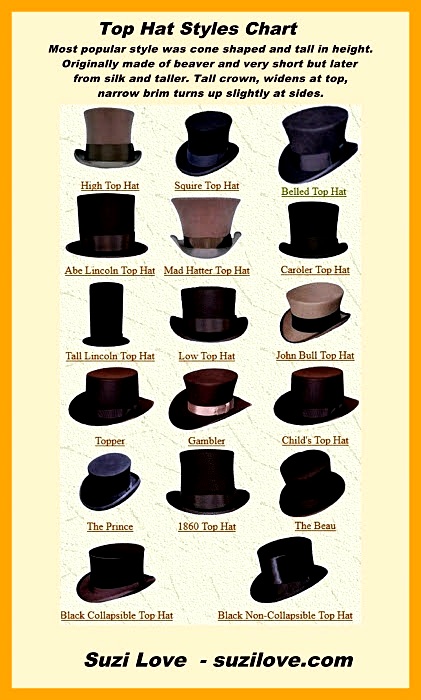
1840 Group In An Outdoor Setting, French. Two men in top hats. Modes de Longchamps’. Men’s outfits, a woman’s riding habit and a small boy, all tailored by Robin of 21 Rue Saint Marc, Paris. via Le Bon Ton. via Victoria and Albert Museum, London, UK. collections.vam.ac.uk.
1840s Opera Boots, British. Black leather with suede leg and silk bow, hand and machine sewn. via Victoria and Albert Museum, London, UK. collections.vam.ac.uk.
Between 1820 and 1840 textile printers began to produce designs that were based on the woven silk dress fabrics of the 1750’s. Designs showing curving trails of lace or ribbons between bouquets of flowers became as popular in the 1830s as they had been in the 18th century.
Roller Printed Cotton.
The pattern on printed cotton was made with an engraved metal roller and additional colors were built up by wooden surface roller. Roller printing on textiles was introduced in the late 18th century and at first used mainly for small-patterned dress fabrics. By the 1830s, roller printing was highly mechanized process and had largely replaced block printing for fashionable furnishings.
Materials and Making The development of roller printing coincided with a radical transformation in the dyestuffs available for printing on cotton. Until the beginning of the 19th century printing had been based on the use of vegetable dyes. In Britain, France and Germany new chemical processes were developed and mineral colors produced that transformed the palette of colors available to the printer and made combinations such as shades of pink and orange possible.
Design and Designing The false trails of lace and bouquets of flowers in the fabric are inspired by the patterns of woven silks from nearly a century earlier. Changing taste made this design suitable for furnishing a room in the 1830s, while the 18th-century silk that was its inspiration would have been intended for a woman’s gown.
Time The styles considered fashionable in 1830s furnishings were widely diverse. Among the more recognisable historical references were Rococo, Elizabethan and Gothic. A design such as this seems to be relying on novelty of effect for its success.
1820-1830 ca. Mother Of Pearl sewing casket with a painted view of Weilburg near Baden in Austria. Painting by Balthasar Wigand.
From The Curator: The mother-of-pearl industry in Vienna reached its apogee during the 1820s and 1830s, when numerous luxury items such as candle screens and desk sets were embellished with the iridescent material. Balthasar Wigand, responsible for the miniature on the lid of this box, specialized in views of the city and its surroundings, painted especially for use on small pieces of furniture and caskets. via Metropolitan Museum New York City, U.S.A. metmuseum.org
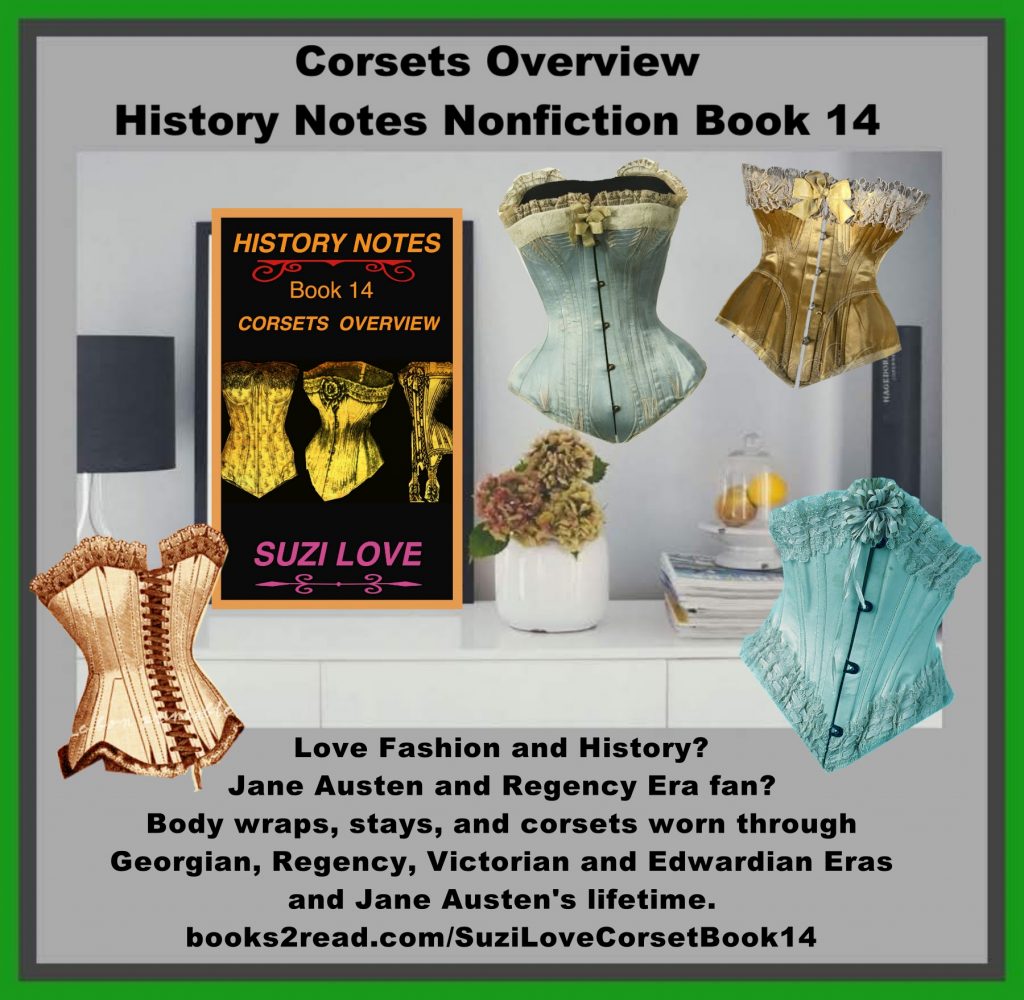
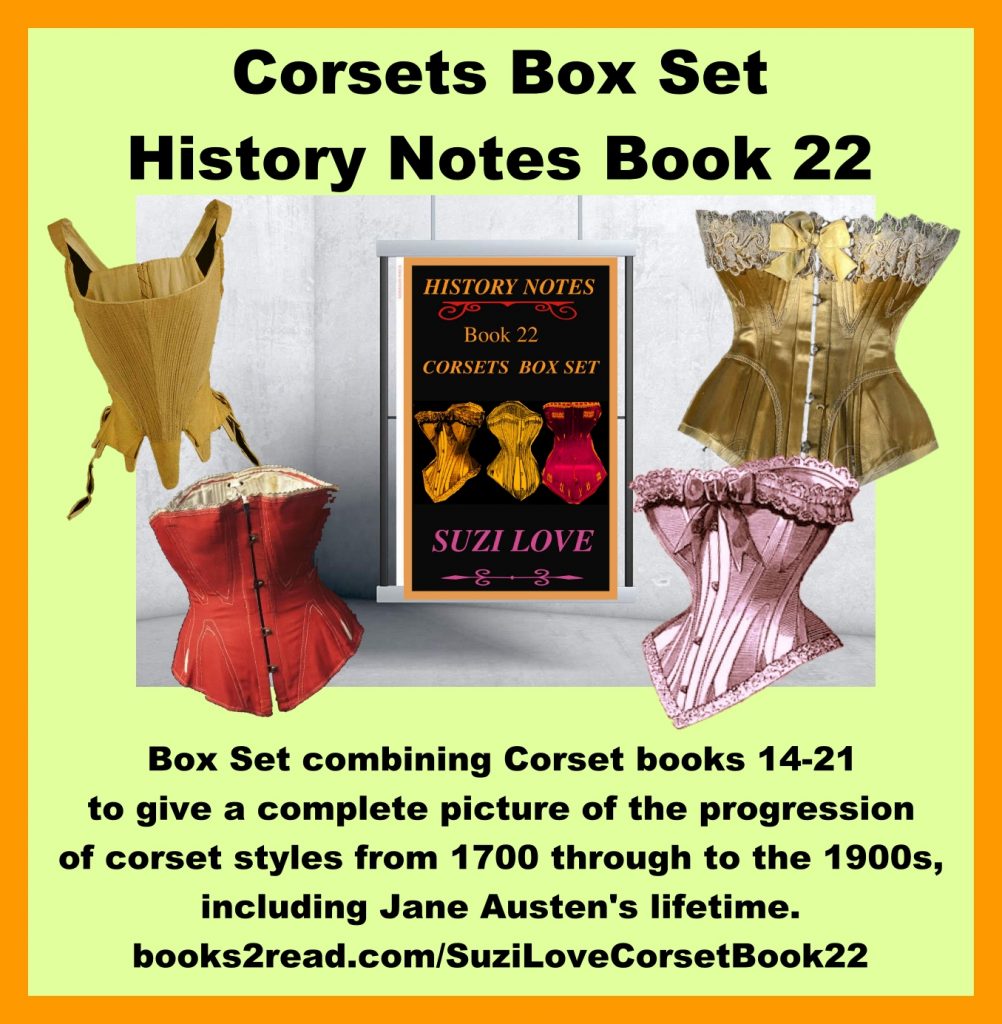
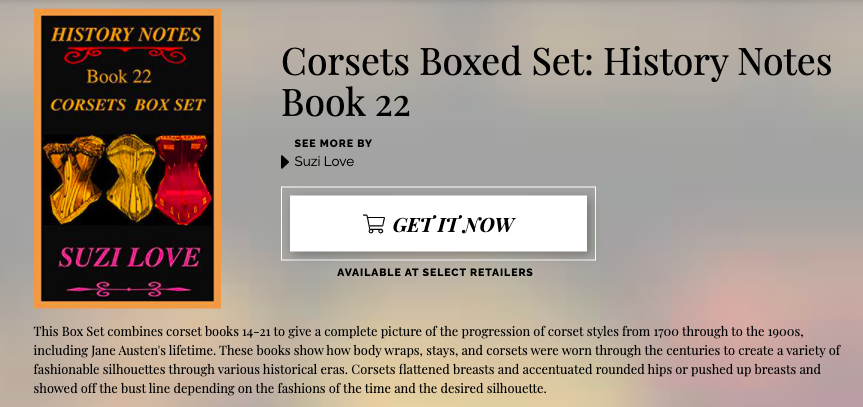
Fascinated with historical fashion? Treat yourself to a nonfiction Box Set on corsets, including Bridgerton and Jane Austen years. Corsets Box Set History Notes Book 22. This Box Set combines corset books 14-21 to give a complete picture of the progression of corset styles from 1700 through to the 1900s, including Jane Austen’s lifetime. These books show how body wraps, stays, and corsets were worn through the centuries to create a variety of fashionable silhouettes through various historical eras. Corsets flattened breasts and accentuated rounded hips or pushed up breasts and showed off the bust line depending on the fashions of the time and the desired silhouette. https://books2read.com/SuziLoveCorsetBook22
1826 January Promenade Dress, English. Green walking dress with wide lace hem, zigzag white collar edge, white buttons on front vertical, large fur muff with pink lining, large hat with pink ribbons and black bows on crown. Fashion Plate via Rudolph Ackermann’s ‘The Repository of Arts’, London, U.K.
Definition: Promenade Dress, Walking Dress, Pelisse Or Redingote. Woman’s long, fitted overdress or coat often worn open in front to show off the dress underneath. Sometimes cut away in front. Originally made with several capes and trimmed with large buttons. French word developed from English words, riding coat. reefer. Single- or double-breasted, fitted, tailored, over-all coat usually made from sturdy fabric. In England, this sort of coat was generally called a pelisse, walking dress, carriage dress or promenade dress. In France, these coats were called a Redingote.
1830 ca. Collection of Four Tiny Purses, or Reticules with drawstrings to close. via Ruby Lane Antiques. As would have been carried by ladies in Jane Austen and Bridgerton years.
Definition Of A Reticule; Bag or purse, often with a drawstring to pull closed and usually made of cloth or covered cardboard and often decorated with beading or embroidery. A reticule, or purse, or handbag, was usually carried by a woman during the Regency period to carry all their daily necessities. Earlier, women used pockets that tied at the waistline and were hidden in the folds of their skirts. Empire style, or early 1800s, high-waisted dresses made it impossible to either sewn in a pocket or to tie on a pocket, so women began carrying small, decorated bags called Reticules, or ridicules, which generally pulled closed at the top with a drawstring. These Reticules, or bags, were the forerunners of our modern day purses.