↓
 

Suzi Love

Making history fun, one year at a time.

Header_
  • Home
  • Newsletter
  • Pre order form
  • Shop
    • Cart
    • Checkout
    • My account
    • Refund and Returns Policy
  • Blog
  • BOOKS
    • History Events
    • Kelly’s Justice
    • Outback Arrival
    • Irresistible Aristocrats
    • History Notes
    • Scandalous Siblings
    • Love After Waterloo
    • Regency Life Series
  • Privacy Policy
  • EVENTS
Home » google books 1 2 3 … 10 11 >>

Tag Archives: google books

Post navigation

← Previous Post

1809 The King Of Great Britain and His Powers In the Bridgerton and Jane Austen Years. #Bridgerton #JaneAusten #RegencyEra #BritishRoyalty

Suzi Love Posted on September 28, 2026 by Suzi LoveSeptember 18, 2026

1809 The King Of Great Britain. From: 1809 A Book Explaining The Ranks and Dignities Of British Society. via Google Books. (PD-180) BRITISH RANKS,  The King Of Great Britain and His Or Her Powers during Jane Austen’s lifetime.
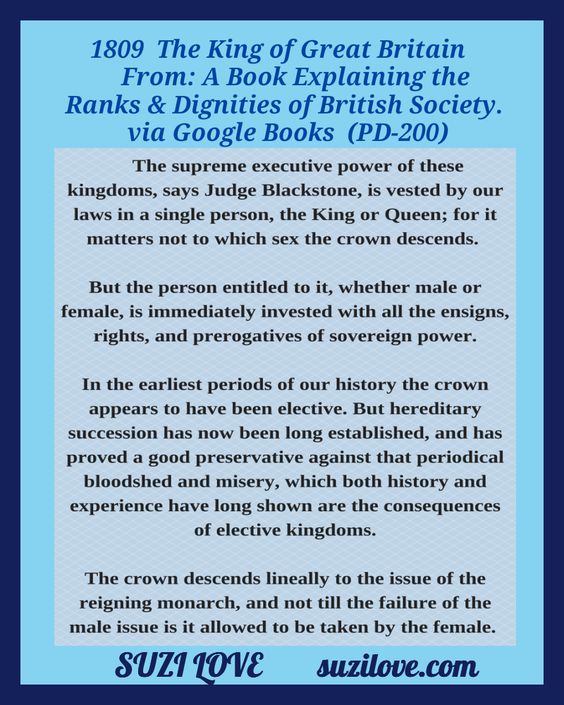
1809 The King Of Great Britain 1809 The King Of Great Britain. From: 1809 A Book Explaining The Ranks and Dignities Of British Society. via Google Books. (PD-180)

BRITISH RANKS,  THE KING . 

The supreme executive power of these kingdoms is vested by our laws in a single person, the King or Queen, for it matters not to which sex the crown descends, but the person entitled to it, whether male or female, is immediately invested with all the ensigns, rights, and prerogatives of sovereign  power . 

In the earliest periods of our his tory the crown appears to have been elective. But hereditary succession has now been long established , and has proved a good preservative against that periodical bloodshed and misery, which both history and experience have long shewn are the consequences of elective kingdoms. The crown descends lineally to the issue of the reigning monarch , and not till the failure of the male issue  is it allowed to be taken by the female. 

Lawyers say the King of England is a mixed person, a priest as well as a prince and at his coronation he is anointed with oil, as the priests and  kings of Israel were, to intimate that his person is sacred. The principal duty of the king is to govern his people according to law and these are the terms of the oath administered usually by the Archbishop of Canterbury at his coronation, in the presence of the people, who on their parts do reciprocally take the oath of allegiance to the crown : “ The archbishop, or bishop, shall say, Will you solemnly promise and swear to govern the people of this kingdom of England , and the dominions thereto belonging, according to the statutes in parliament agreed on and the laws and customs of the  same? 

The king or queen shall say , I solemnly promise so to do . Archbishop , or bishop .Will you to your power cause law and jus tice , in mercy , to be executed in all your  judgments? 

King or queen, I will, Archbishop , or bishop – Will you to the utmost of your power maintain the laws of God , the true profession of the gospel and the protestant reformed religion established by the law? And will you preserve unto the bishops and clergy of this realm, and to the churches com mitted to their charge, all such rights and privileges as by law do or shall appertain unto them or any of them ? 

King or queen, All this I promise to do .

After this , the king or queen , laying his or her hand upon the holy gospels , shall say , The things which I have here before promised , I will perform and keep : so help me God . And then shall kiss the book . 

One of the principal bulwarks of our liberty is the certain and definite limitation of the king’s prerogative, the extent and restrictions of which are marked out with the greatest clearness. But in the exertion of those powers which the LAW has given him , the king is irresistible and absolute. He is considered by the laws of England as the head and supreme governor of the national church and, in virtue of this authority, he convenes , prorogues , rogues , restrains , regulates , and dis solves all ecclesiastical synods or convocations. He has the supreme right of patronage over all ecclesiastical benefices and if they are not presented to within the time prescribed , their lapse becomes the advantage of the crown. In regard to foreign concerns, the king is the delegate or representative of his people. He has power, by his prerogative, with out any act of parliament, to make war or peace, conclude treaties, grant safe conducts, give  commissions for raising and regulating fleets and armies, as well as for erecting, manning, and governing forts, and other places of strength. He can prohibit the  exportation of arms and ammunition out of the kingdom, can dispose of  magazines, castles, ships, public moneys, etc.  and all that is done in regard to foreign powers by the royal authority, is the act of the whole nation. He has the sole power of sending ambassadors to foreign states, and receiving ambassadors at home. He convokes, adjourns, prorogues, and dissolves parliaments  and may refuse his assent to any bill passed by both houses, without giving his reason for it . 

He may increase the number of members of either house at plea sure, by creating new peers and bestowing privileges on other towns for sending burgesses to  Parliament, but the last has by late kings been given up. 

The sole power of conferring dignities and honors is entrusted to him so that all degrees of nobility and knighthood, and other titles, are received by immediate grant from the crown. And the king has also the prerogative of conferring privileges upon private persons  such as granting place or precedence to any of his subjects such is also the power to enfranchise an alien and make him a denizen, and the prerogative of erecting  corporations. The coining of money too, as well as the settling thedenomination or value for which it shall pass current, is the act of the sovereign power. 

But to take all the characters into view in which the king is considered in domestic affairs would be almost endless for from thence an abundant number of prerogatives arise. All lands re covered from the sea , gold and silver mines, royal fishes etc. be long to him. He can unite, separate, enlarge, or contract the limits of  ecclastical benefices and, by his letters, erect new bishoprics, colleges etc. He can dispense with the rigor of ecclesiastical laws except those which have been con firmed by act of parliament, or declared by the bill of rights. He has also power to moderate the rigor of the law to pardon a man condemned by law except in appeals of murder, and in case of impeachment by the house of commons, and to interpret by his judges in statutes and cases which are not defined by law. 

But though he be entrusted with the whole executive power of the law, yet he cannot sit in judgment in any court for justice must be administered according to the powers committed and distributed to the several courts. 

As the king is declared to be the supreme head in matters both civil and ecclesiastical so no suit can be brought against him even in civil matters because no court can have jurisdiction over him. The law also ascribes to the king in his political capacity  absolute perfection. The king can do no wrong, by  which ancient and fundamental maxim we are not to understand that every transaction of government is of course just and lawful but that whatever is exceptionable in the conduct of public affairs is not to be imputed to the king nor is he answerable for it personally to his people and farther that the prerogative of the crown extends not to do any injury. It is created for the benefit of the people and therefore cannot be exerted to their prejudice. In the king there can be no negligence and therefore no delay will bar his right. In the king also there can be no infamy, stain, or corruption of blood. And the law ascribes a kind of perpetuity, or immortality to him. His death is termed his demise , because the crown is thereby demised to another. He is not in law liable to Death, being a corporation of him self that lives for ever. There is no interregnum but the moment one king dies, his heir is king, fully and absolutely, without any coronation , ceremony etc. To these it may be added that by the law the king is said in a manner to be every where in all courts of judicature , which he alone has the right of erecting and therefore cannot be nonsuited. 

The power of issuing proclamations is vested in the king alone, considered as the fountain of justice. The laws make it high treason barely to imagine or intend the death of the king, and because the destruction of the king may ensue that of his great counsellors or officers, it is felony in any of the king’s subjects to conspire even that. Some things the king cannot do. He cannot divest himself or successor of any part of the regal prerogative or authority and there are two things which he cannot do without the  consent of Parliament:the making of new laws and the raising of new taxes. The king cannot dispense with the laws nor do any thing contrary to law. In England the law is as much superior to the king , as to any of his subjects and the obedienceof the king of England to the laws is his greatest glory while it is the security of the rights and liberties of his people who are the greatest as well as the freest people on the face of the earth , merely because their sovereigns are obliged to live insubjection to the written laws of the land. 

The title of grace was first given to our kings about the time of Henry IV and that of majesty first to Henry VIII. The title of his present Majesty is , GEORGE the Third , King of the United Kingdom of Great Britain and Ireland, Defender of the Faith, Sovereign of the Orders of the Garter, Thistle, Bath and St. Patrick, Duke and Elector of Brunswick Lunenburg, Bishop of Osnaburg and Arch Treasurer of the Holy Roman Empire.

RL_1_D2D_Regency Overview RetailerLinks
https://books2read.com/suziloveROver
RL_1_D2D_Regency Overview RetailerLinks https://books2read.com/suziloveROver

Posted in 1800s, Bridgerton, England, Google Books, History, Jane Austen, peerage, Regency Era, Royalty | Tagged Bridgerton, Georgian era, google books, Jane Austen, peerage, Regency Era, Regency Life, Regency Overview, Regency Royalty

1826 ‘Cits’ Dining At The Grand House. From A Regency Gentleman’s Life. #RegencyEra #Cartoon #England

Suzi Love Posted on September 27, 2026 by Suzi LoveSeptember 16, 2026

1826 The Cyprian’s Ball At the Argyll Rooms. A Regency Gentleman’s Life. From The English Spy By Robert Cruikshank.

1826  'Cits' Dining At The Grand House. From A Regency Gentleman's Life. #Regency #Cartoon #England
1826 The Cyprian’s Ball At the Argyll Rooms. A Regency Gentleman’s Life. From The English Spy By Robert Cruikshank.
RL_2_D2D_RetailerBuyLink_RL_2
RL_2_D2D_RetailerBuyLink_RL_2 https://books2read.com/suziloveYGD
Posted in 1800s, 1800s Mens Fashions, 1800s women's fashion, Bridgerton, cartoon, Customs & Manners, Food and Drink, Google Books, household, London, Pastimes, peerage, Regency Era, Regency Fashion, Suzi Love Images | Tagged 1800s men fashion, Cartoons, drinks, England, Food, google books, London, pastimes, Regency Fashion, Regency London, Regency Men

1815 How Did Jane Austen and the Bridgertons Travel? Did they travel by Stage Coach? #Bridgerton #RegencyEra #BritishHistory #JaneAusten

Suzi Love Posted on September 19, 2026 by Suzi LoveSeptember 16, 2026

How did Jane Austen and her family? Did they go by stagecoach? The dreadful condition of British roads caused great apprehension to all classes of travelers. Making a journey anywhere in the country was a big undertaking and often a gentleman composed his last will and testament before his departure.  Traveling in vehicles was only possible during the day or on the nights with very bright moonlight with few vehicles attempting road travel in winter and any travel on a Sunday was frowned upon.

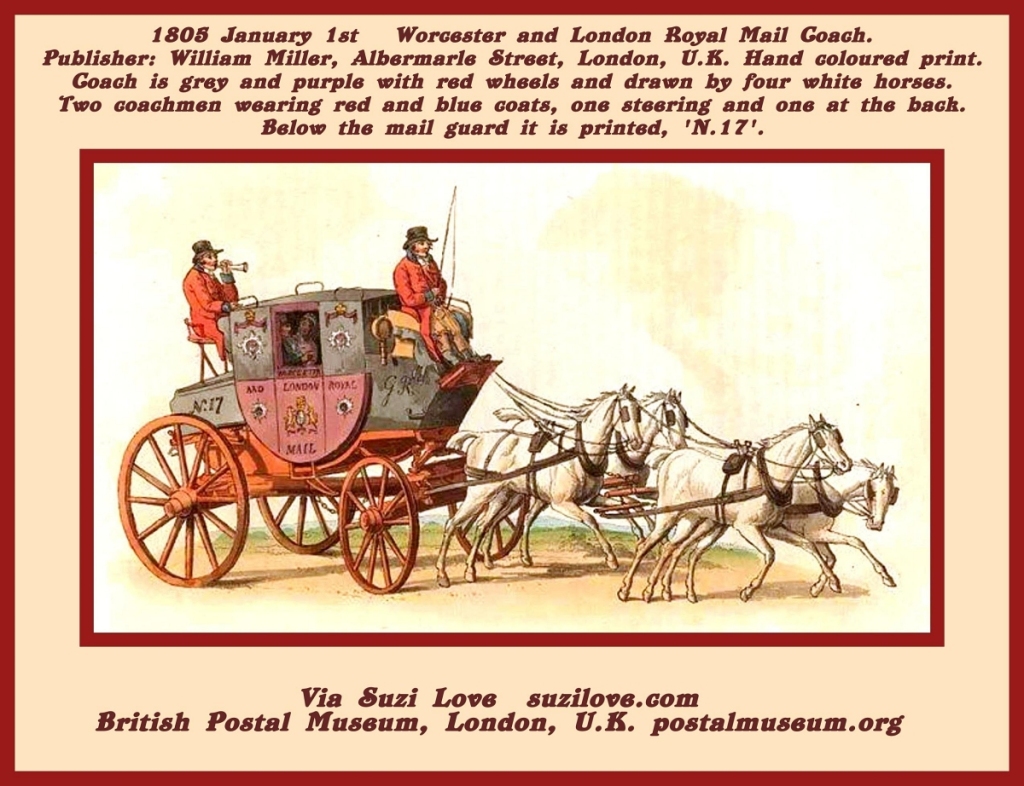
Description of Stage Coach Travel in England.  via 1815 Journal Tour of Great Britain. “The gentlemen coachmen, with half-a dozen great coats about them, immense capes, a large nosegay at the button-hole, high mounted on an elevated seat, with squared elbows, a prodigious whip, beautiful horses, four in hand, drive in a file to Salthill, a place about twenty miles from London, and return, stopping in the way at the several public-houses and gin-shops where stage-coachmen are in the habit of stopping for a dram, and for parcels and passengers on the top of the others as many as seventeen persons. These carriages are not suspended, but rest on steel springs, of a flattened oval shape, less easy than the old mode of leathern braces on springs. Some of these stage coaches carry their baggage below the level of the axletree.”

Coach Carriage Line Drawing. Photo Editing by Suzi Love ~ suzilove.com via Pearson Scott Foresman donation to Wikimedia Commons.
1805 January 1st Worcester and London Royal Mail Coach. Publisher: William Miller, Albermarle Street, London, U.K. Hand colored print. Coach is grey and purple with red wheels and drawn by four white horses. Below the mail guard it is printed, 'N.17'. Via Suzi Love suzilove.com British Postal Museum, London, U.K. postalmuseum.org
1805 January 1st Worcester and London Royal Mail Coach. Publisher: William Miller, Albermarle Street, London, U.K. Hand colored print. Coach is grey and purple with red wheels and drawn by four white horses. Below the mail guard it is printed, ‘N.17’. Via Suzi Love suzilove.com British Postal Museum, London, U.K. postalmuseum.org
HN_10_D2D_RetailerBuyLink
books2read.com/SuziLoveTravel
Posted in 1800s, Bridgerton, Carriage, England, Google Books, History, Jane Austen, London, Regency Era, Suzi Love Images, travel | Tagged Bridgerton, British history, British Postal Museum, carriage, google books, Jane Austen, Pearson Scott Foresman, postal, Regency Era, travel, WikiMedia Commons

Fan of the Bridgerton Series? Jane Austen Lover? Writer Or Reader Of Regency Era? What did they wear in early 1800s? #bridgerton #RegencyFashion #JaneAusten #HistoricalFashion

Suzi Love Posted on September 19, 2026 by Suzi LoveSeptember 17, 2026

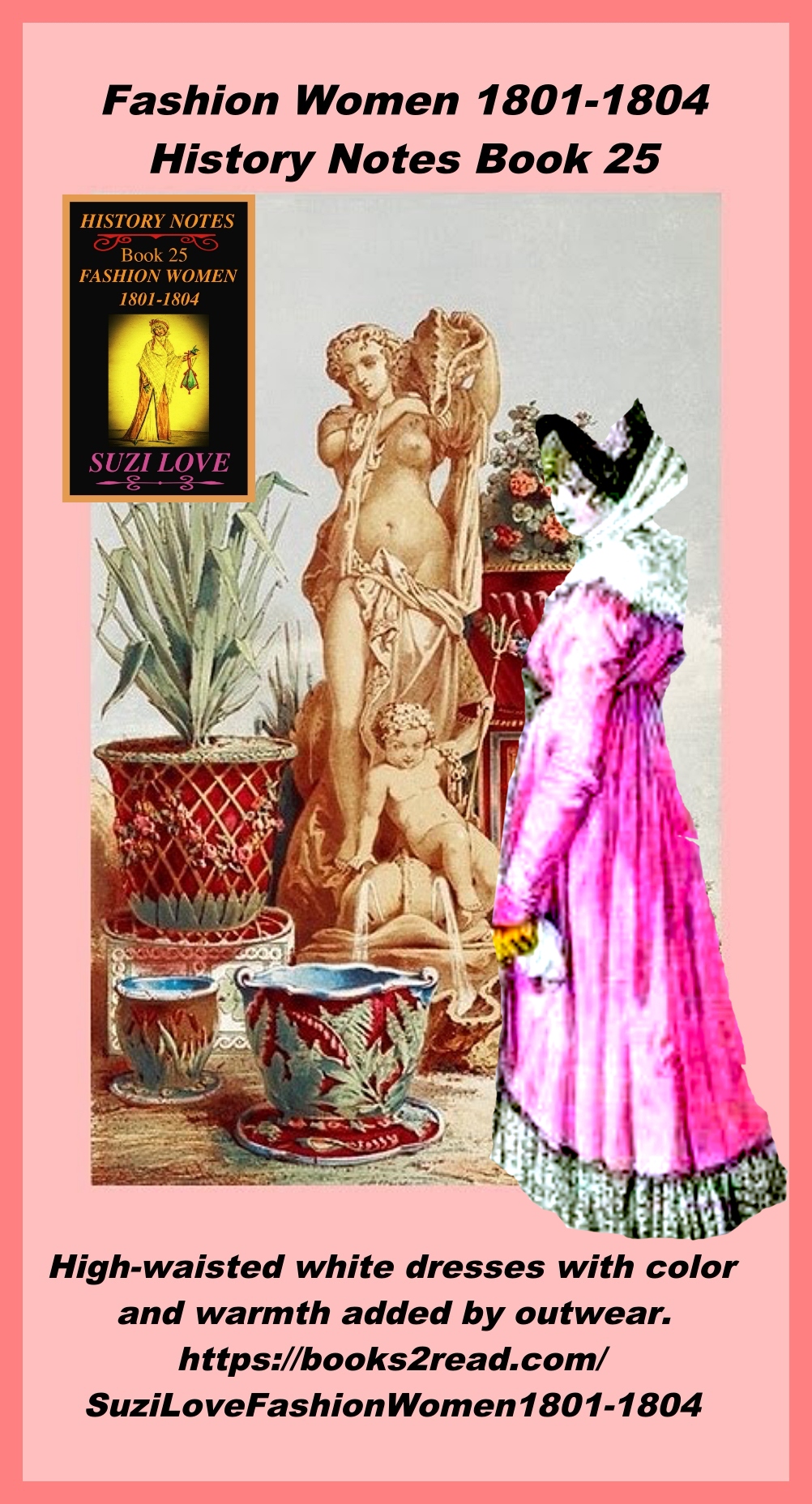
Fan of the Bridgerton Series? Jane Austen Lover? Writer Or Reader Of Regency Era? What did they wear in early 1800s? Women’s clothing changed dramatically in early 1800s. New silhouette copied simplistic styles of Greeks and Romans. High-waisted white dresses and flowing skirts with color and warmth added by outerwear and accessories. Fashion Women 1801-1804 History Notes Book 25 https://books2read.com/SuziLoveFashionWomen1801-1804

HN_25_Fashion Women 1801-1804 History Notes Book 25 This book looks at the changes to women's clothing in the early 1800s and the move away from complicated styles and heavy fabrics. The new silhouette copied the simplistic styles of the Greeks and Romans. White dresses were high-waisted and skirts were flowing, with color and warmth added by outwear and accessories. https://books2read.com/SuziLoveFashionWomen1801-1804

Definition Empire Style Dress: High-waisted white gowns defined women’s fashion during the Regency Era. ‘Empire’ is the name given to the period when Napoleon Bonaparte built his French Empire. High-waisted, loose gowns were adopted by the aristocracy as a symbol of turning away from the elaborate clothing worn in the 1700s. This sort of high-waisted dress would have been worn by Jane Austen and her contemporaries in England.
Definition Shawls: The shawl started off in India as a fine wool garment for men that could be worn as a scarf, turban or as a mantle: the word comes from the Persian shäl. Originally imported from the East, European Kashmir shawls were made first in Norwich and Edinburgh in Britain in the late 18th century. Shawls were an essential item in the early 1800s to cover the thin gowns women wore. They were made of muslin, gauze, silk, wool, and velvet, though cashmere shawls were the softest and most prized.
HN_25_Fashion Women 1801-1804
https://books2read.com/SuziLoveFashionWomen1801-1804
Posted in 1800s, 1800s women's fashion, Australia, bedroom fashion, Bridgerton, Canada, cartoon, Chatelaine, Coat or Pelisse Or Redingote, Corset, Customs & Manners, dancing, Decorative Item, Dress Or Robe, England, Europe, fashion accessories, France, Google Books, hats, History, History Notes, Jane Austen, London, mourning, Quotations, Regency Era, Regency Fashion, Reticule or Bag, riding, Russia, sewing, shoes, Spencer, Suzi Love Books, Suzi Love Images, U.S.A, underclothing, weddings | Tagged 1800s women's fashion, Book 25, Bridgerton, British history, Corset, dancing, Dress Or Gown, fashion accessories, Fashion Plate, Fashions Of London and Paris, google books, Hats And Hair, History Notes, Jane Austen, jewelry, Journal des Dames et des Modes, La Belle Assemblee, mourning, Napoleon Bonaparte, Regency Fashion, riding, shawls, Shoes, Spencer, Suzi Love Books, The Lady's Monthly Museum, The Repository Of Arts, underclothing, weddings

Lover of the Bridgertons and Jane Austen? Mourning and riding fashion,underclothing and corsets. #Bridgerton #JaneAusten #RegencyFashion

Suzi Love Posted on September 9, 2026 by Suzi LoveSeptember 9, 2026

Love the Bridgerton family and Jane Austen? Reader Or Writer of Regency Era stories? Mourning and riding fashion, dresses, hats, shoes, reticules or bags, underclothing and fashion accessories.
books2read.com/SuziLoveFashionWomen1815-1819

History Notes 28 Fashion Women 1815-1819: This book looks at what was fashionable for women in the Georgian Era and at the end of the Regency Era in Britain and the reconstruction in Europe after the wars. Lifestyles were freer and fashions expressed this by becoming the focus of most women’s lives. A wardrobe full of opulent accessories was requisite. Includes mourning and riding  fashion, dresses, hats, shoes, reticules or bags, underclothing, and fashion accessories. 

Ladies clothing in the early 1800’s featured a high waist line called an Empire Line, or Empire style dress, with a waist line just under the natural bust line and much higher than the natural waist. High-waisted Empire Line styles dominated fashions for at least three decades from the 1790s until the 1820s. The high-waisted, or short-bodied, Regency styles shifted focus away from the natural waist and so left the natural waist unconstricted, in direct contrast to previous and future styles. 

Britain took these simple European styles and progressively made them more elaborate by adding more and more complicated embroidery onto white fabrics to create the white on white look popular for many years.  The empire look of fine muslin dresses left women more exposed than in the Georgian Era when fabrics had been thicker and styles bulkier. Women, especially in England, preserved their modesty by adding lace, frills, flounces, ruches, and fabric plaits to dresses to adequately cover any parts that might inadvertently be exposed. Outer layers, such as Spencers, coats and shawls, were also added. 

HN_28_Fashion Women 1815-1819 History Notes Book 28 What did Jane Austen wear? This book looks at what was fashionable for women in the Georgian Era and at the end of the Regency Era in Britain and the reconstruction in Europe after the wars. Lifestyles were freer and fashions expressed this by becoming the focus of most women's lives. A wardrobe full of opulent accessories was requisite. Includes mourning and riding fashion, dresses, hats, shoes, reticules or bags, underclothing, and fashion accessories. https://books2read.com/SuziLoveFashionWomen1815-1819

HN_28_D2D_FashionWomen 1815-1819
books2read.com/SuziLoveFashionWomen1815-1819
HN_28_D2D_FashionWomen 1815-1819

Posted in 1800s, 1800s women's fashion, Australia, bedroom fashion, Bridgerton, Canada, cartoon, Chatelaine, Coat or Pelisse Or Redingote, Corset, dancing, Decorative Item, Dress Or Robe, England, Europe, fashion accessories, France, hats, History, History Notes, Jane Austen, London, mourning, Music, Pastimes, Regency Era, Regency Fashion, Reticule or Bag, riding, Russia, sewing, shoes, Spencer, Suzi Love Books, Suzi Love Images, U.S.A, underclothing, weddings | Tagged 1800s women's fashion, Book 28, Bridgerton, Corset, Dress Or Gown, fashion accessories, Fashion Plate, Fashions Of London and Paris, gloves, google books, Hats And Hair, History Notes, Jane Austen, jewelry, Journal des Dames et des Modes, La Belle Assemblee, mourning, parasol, Regency Fashion, reticule or bag, riding, Shoes, stockings, Suzi Love Books, The Lady's Magazine, The Lady's Monthly Museum, The Repository Of Arts, underclothing

Writing Regency Era Stories? Lover of the Bridgertons and Jane Austen? Mourning, riding, daytime, evening fashions plus underclothing. #bridgerton #JaneAusten #suzilovebooks #regencyfashion

Suzi Love Posted on September 6, 2026 by Suzi LoveSeptember 5, 2026

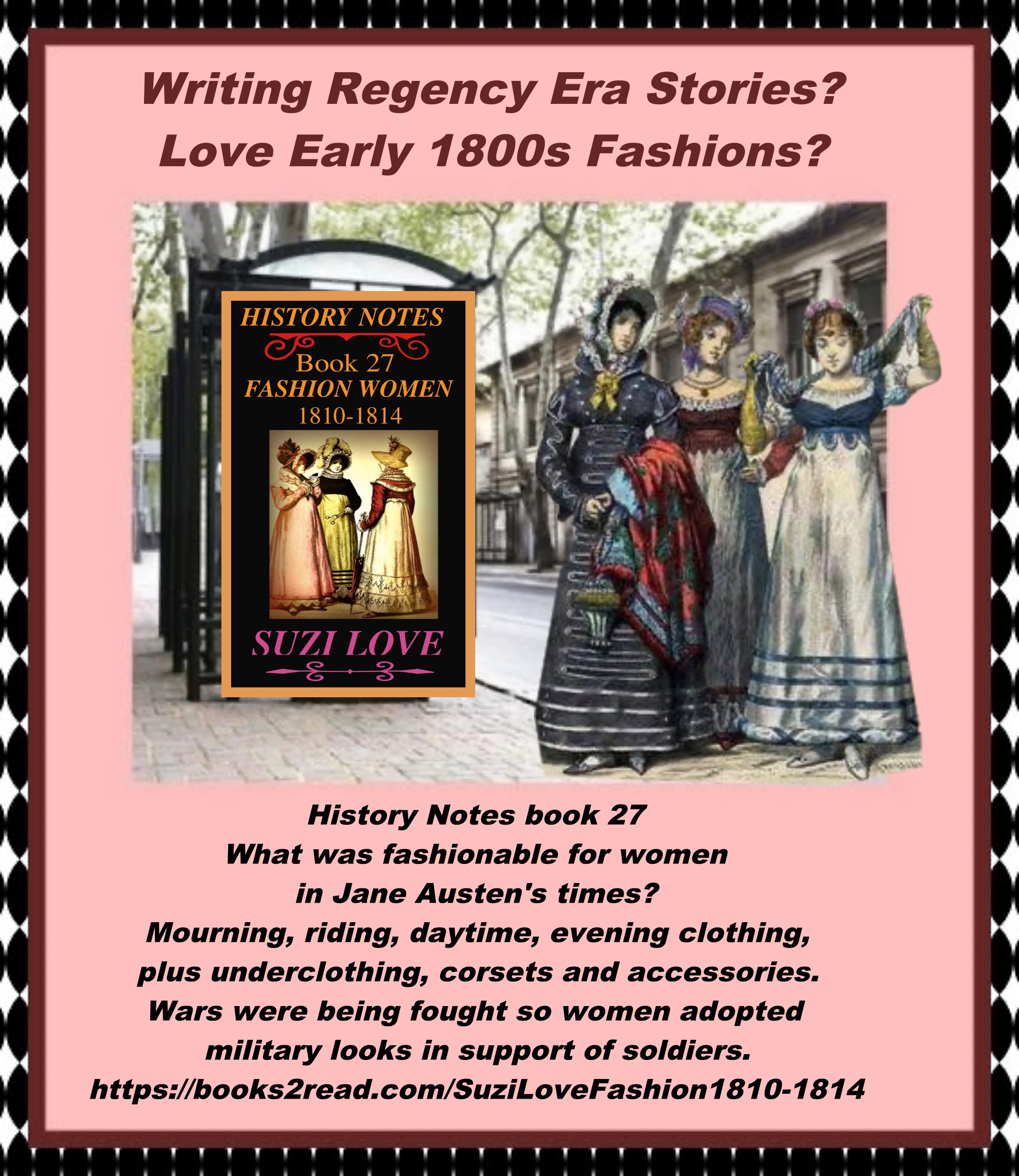
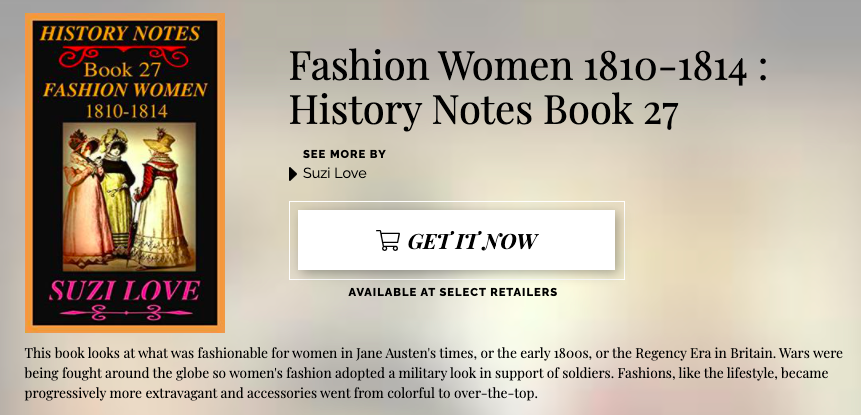
Are you a reader or writer of Regency Romance? Love Jane Austen and the Bridgertons? Want to know more about the mourning, riding, underclothing and other Regency Era women’s fashions in Regency romances? What was fashionable for women in Jane Austen’s times? Mourning, riding, daytime, evening clothing, plus underclothing, corsets and accessories. This book looks at what was fashionable for women in Jane Austen’s times, or the early 1800s, or the Regency Era in Britain. Wars were being fought around the globe so women’s fashion adopted a military look in support of soldiers. Fashions, like the lifestyle, became progressively more extravagant and accessories went from colorful to over-the-top. https://books2read.com/SuziLoveFashion1810-1814

The Lady’s Magazine said of the basis of women’s fashion that was popular for the first twenty years of the 1800s, ‘White is still the prevailing color for robes. For morning dresses, linen gowns, in large diamonds or squares, are fashionable. Indian muslins, plain or embroidered, are preferred to Florence and satins. The designs of embroidery for shawls are of infinite variety. Long gloves, which reach above the elbow, are not yet laid aside. Medallions are hung around the neck from crossed chains and some of these medallions are shaped like the bags, called ridicules. These reticules are of the lozenge or hexagon shape, with a small tassel at each angle. Reticules, or ridicules, are in lozenge or hexagon shapes with a small tassel at each angle. In capotes, or hats, and ribbands, the violet and dark green prevail over jonquil. Bracelets in hair, pear-shaped ear-rings, medallions on square plates, saltiers of colored stones, are still in fashion.’

Writing Regency Era Stories? Lover of the Bridgertons and Jane Austen? Mourning, riding, daytime, evening fashions plus underclothing. #bridgerton #JaneAusten #suzilovebooks #regencyfashion
History Notes book 27
What was fashionable for women
in Jane Austen’s times?
Mourning, riding, daytime, evening clothing,
plus underclothing, corsets and accessories.
Wars were being fought so women adopted
military looks in support of soldiers.
https://books2read.com/SuziLoveFashion1810-1814
HN_27_D2D_FashWomen1810-1814

https://books2read.com/SuziLoveFashion1810-1814
Posted in 1800s, 1800s women's fashion, Australia, Canada, cartoon, Coat or Pelisse Or Redingote, Corset, dancing, Decorative Item, Dress Or Robe, England, Europe, fashion accessories, France, Google Books, hats, History, History Notes, Jane Austen, London, mourning, Quotations, Regency Era, Regency Fashion, Reticule or Bag, riding, Russia, sewing, shoes, Spencer, Suzi Love Books, Suzi Love Images, U.S.A, underclothing, weddings | Tagged 1800s women's fashion, Book 27, Corset, Dress Or Gown, fans, fashion accessories, Fashion Plate, Fashions Of London and Paris, gloves, google books, Hats And Hair, History Notes, Jane Austen, jewelry, Journal des Dames et des Modes, La Belle Assemblee, mourning, parasol, Regency Fashion, reticule or bag, riding, shawls, Shoes, stockings, Suzi Love Books, The Lady's Magazine, The Lady's Monthly Museum, The Repository Of Arts, underclothing

18th-19th Century Sedan Chair Travel In Jane Austen’s Times. #JaneAusten #BritishHistory #Travel #GeorgianEra

Suzi Love Posted on September 3, 2026 by Suzi LoveSeptember 2, 2026

A sedan chair is a portable enclosed chair for a single passenger. It was generally carried by two “chairmen” holding poles attached to either side of the chair. Sedan chairs were fashionable in England and Europe during the 17th, 18th and early 19th centuries and were an important part of the social life of the times. They were very useful for negotiating crowded, unsafe, narrow, winding and often filthy streets and were particularly used by “invalids, ladies and party goers”. Sedan chairs had the advantage of being able to be carried up and down stairs and could deliver the passenger from inside their own home to inside their destination without having to step outside.

1784 Sedan Chair. ‘The return from a masquerade. A morning scene.’ A young lady dressed as shepherdess with staff slumps in a sedan chair. Asleep or drunk her head and shoulders hang outside window. Two porters smile and dwarf chimney sweep carries a mask.’ By Robert Dighton and Cari.

1784 Sedan Chair. ‘The return from a masquerade. A morning scene.' A young lady dressed as shepherdess with staff slumps in a sedan chair. Asleep or drunk her head and shoulders hang outside window. Two porters smile and dwarf chimney sweep carries a mask.’ By Robert Dighton and Cari.
1784 Sedan Chair. ‘The return from a masquerade. A morning scene.’ A young lady dressed as shepherdess with staff slumps in a sedan chair. Asleep or drunk her head and shoulders hang outside window. Two porters smile and dwarf chimney sweep carries a mask.’ By Robert Dighton and Cari.

The 19th century English author, Elizabeth Gaskell, described the use and function of the sedan perfectly in her novel “Wives and Daughters” when she reminisced how the Browning sisters chose to be transported to a ball by sedan chair, which ‘came into the parlor, and got full of the warm air, and nipped you up, and carried you tight and cosy into another warm room, where you could walk out without having to show your legs by going up steps, or down steps.’

The Bath Chair was invented in Bath, England, in the mid 18th Century to transport the wealthy and the sick around the city.  It could be steered by the passenger and rivaled and then outdid the Sedan Chair as only one chairman was needed to operate it. The last Bath Chairman retired in 1949. 

Typical 1700s, or Eighteenth Century Sedan Chair. Portable enclosed chair for single passenger usually carried by two chairmen holding poles attached to either side of chair. Fashionable during 17th, 18th and early 19th centuries when needed to negotiate crowded, unsafe, narrow, and dirty streets. Used by invalids, ladies and party goers. The sedan chair comprises a small kiosk with a curved timber roof which is covered with leather and studded with brass nails. The front and side panels are painted in green with floral decorations of cherubs and flowers. The back panel is of plain timber. Access to the chair was via a hinged door at the front. Inside, the chair is upholstered in silk and features padded upholstered arm rests. The windows have raw silk curtains which are gathered with tassels. The present brackets and poles are reproductions made in 1986 prior to display in the Transport exhibition. The total length of the new poles are 80 inches. The sedan chair door lock features the initials “V.F.” and a set of crossed keys with the wording “PARIS” and the number “34”. Via Powerhouse Museum, Sydney, Australia.

Typical 1700s, or Eighteenth Century Sedan Chair. Portable enclosed chair for single passenger usually carried by two chairmen holding poles attached to either side of chair. Fashionable during 17th, 18th and early 19th centuries when needed to negotiate crowded, unsafe, narrow, and dirty streets. Used by invalids, ladies and party goers. The sedan chair comprises a small kiosk with a curved timber roof which is covered with leather and studded with brass nails. The front and side panels are painted in green with floral decorations of cherubs and flowers. The back panel is of plain timber. Access to the chair was via a hinged door at the front. Inside, the chair is upholstered in silk and features padded upholstered arm rests. The windows have raw silk curtains which are gathered with tassels. The present brackets and poles are reproductions made in 1986 prior to display in the Transport exhibition. The total length of the new poles are 80 inches. The sedan chair door lock features the initials "V.F." and a set of crossed keys with the wording "PARIS" and the number "34". Via Powerhouse Museum, Sydney, Australia.

Typical 1700s, or Eighteenth Century Sedan Chair. Portable enclosed chair for single passenger usually carried by two chairmen holding poles attached to either side of chair. Fashionable during 17th, 18th and early 19th centuries when needed to negotiate crowded, unsafe, narrow, and dirty streets. Used by invalids, ladies and party goers. The sedan chair comprises a small kiosk with a curved timber roof which is covered with leather and studded with brass nails. The front and side panels are painted in green with floral decorations of cherubs and flowers. The back panel is of plain timber. Access to the chair was via a hinged door at the front. Inside, the chair is upholstered in silk and features padded upholstered arm rests. The windows have raw silk curtains which are gathered with tassels. The present brackets and poles are reproductions made in 1986 prior to display in the Transport exhibition. The total length of the new poles are 80 inches. The sedan chair door lock features the initials “V.F.” and a set of crossed keys with the wording “PARIS” and the number “34”. Via Powerhouse Museum, Sydney, Australia. 

The longest journey recorded in a sedan chair was made by Princess Amelia, youngest daughter of King George III, who in 1728 was carried by 8 chairmen working in reliefs from London to Bath, a distance of 172 kms (107 miles). This sedan chair door lock features the initials “V.F.” and a set of crossed keys with the wording “PARIS” and the number “34”.

HN_10_D2D_RetailerBuyLink

books2read.com/SuziLoveTravel
HN_10_D2D_RetailerBuyLink_ History Notes Book 10 books2read.com/SuziLoveTravel
Posted in 1700s, 1700s Mens fashion, 1700s Womens Fashion, 1800s, Carriage, cartoon, Customs & Manners, England, Europe, France, Georgian Era, Georgian Fashion, hats, History, Jane Austen, London, travel | Tagged 1700s Mens Fashion, 1700s Women's Fashion, British history, carriages, Customs and Traditions, europe, Georgian era, Georgian Fashion, google books, Jane Austen, Regency Era, travel

Cartoon: Sights the Bridgertons and Jane Austen saw when traveling around Regency England. #Bridgerton #JaneAusten #RegencyEra #Cartoon #England

Suzi Love Posted on August 22, 2026 by Suzi LoveAugust 20, 2026

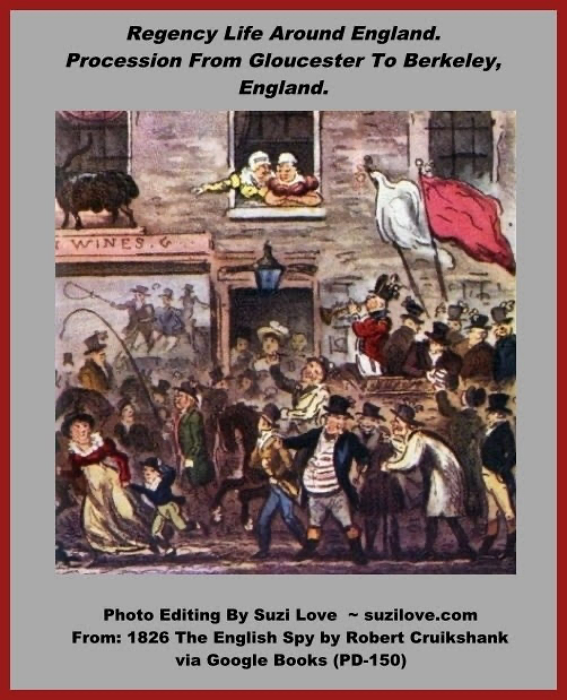
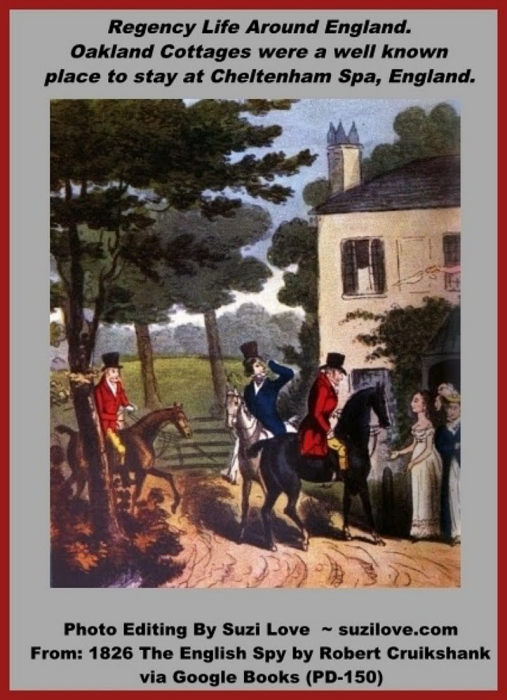
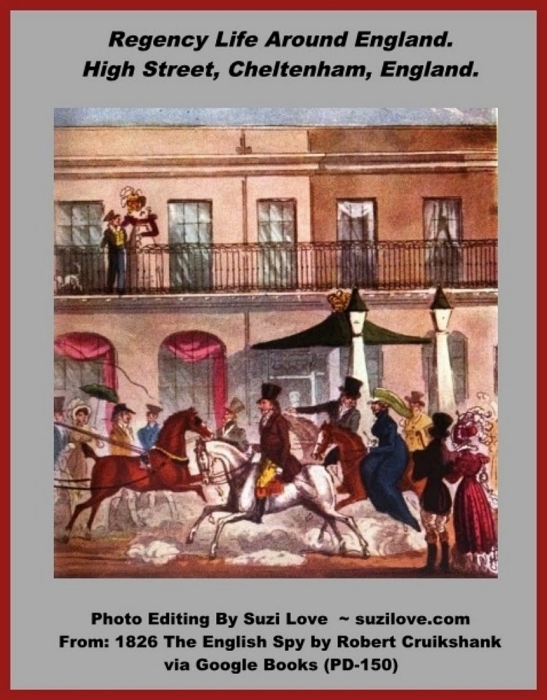
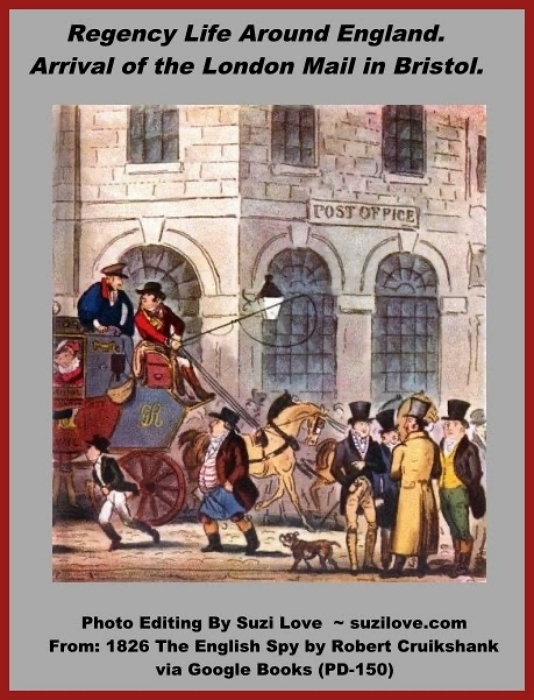
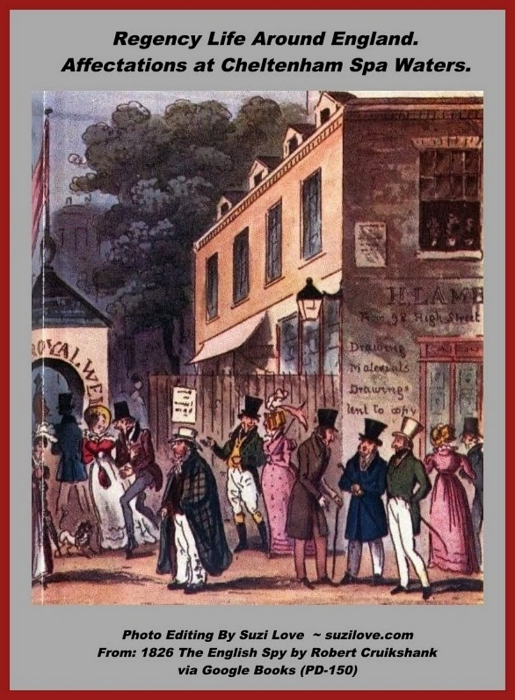
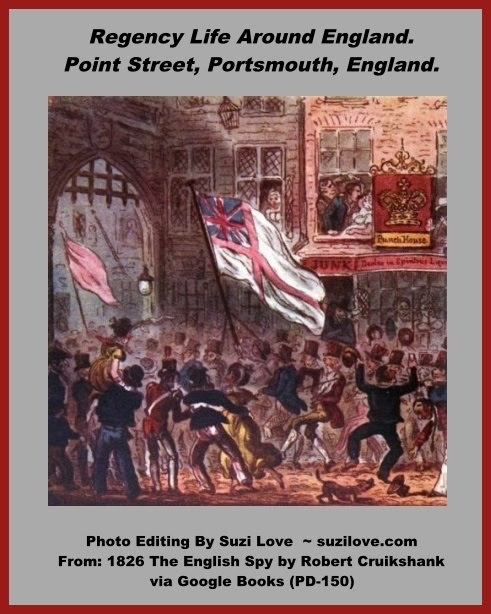
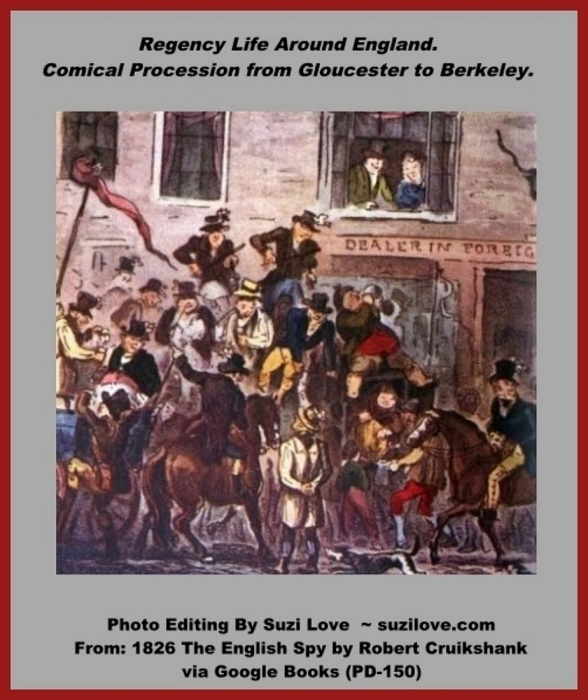
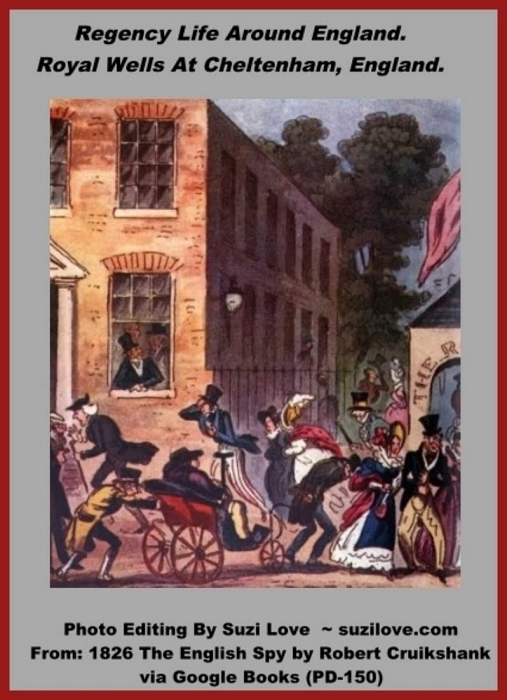
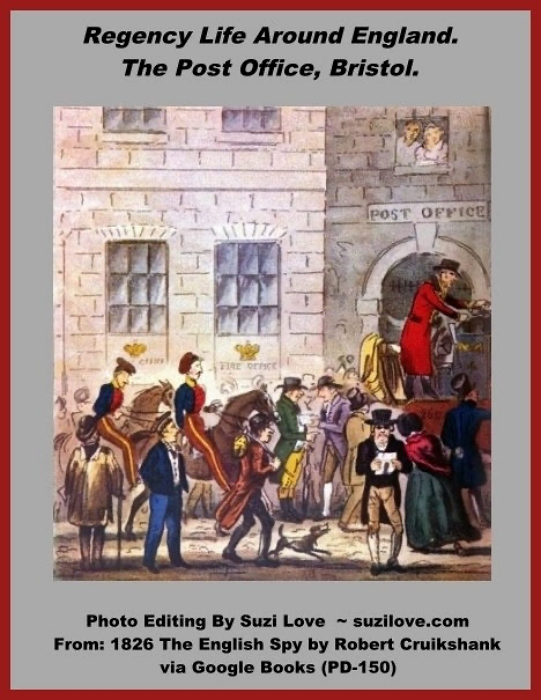
1826 Sights the Bridgertons and Jane Austen Saw Around Regency England. The sights that the families and friends would have seen around while traveling around England. via 1826 The English Spy By Robert Cruikshank via Google Books (PD-150)

1826 Sights the Bridgertons and Jane Austen Saw Around Regency England. The sights that the families and friends would have seen around while traveling around England. via 1826 The English Spy By Robert Cruikshank via Google Books (PD-150)
D2D_RL_4_YLD_Young Lady's Day Regency Life Series Book 4 by Suzi Love. A light-hearted look at the longer Regency years and an easy to read view of what a young lady did, wore, and lived. books2read.com:suziloveYLD
RL_1_D2D_Regency Overview RetailerLinks https://books2read.com/suziloveROver
Posted in 1800s, 1800s Mens Fashions, 1800s women's fashion, art, Bridgerton, Carriage, cartoon, Coat or Pelisse Or Redingote, Customs & Manners, England, Google Books, History, Jane Austen, Pastimes, postal, Regency Era, Regency Fashion, Regency Life Series, riding, travel | Tagged 1800s men fashion, 1800s women's fashion, art, Bridgerton, carriages, Cartoons, England, google books, Hats And Hair, Jane Austen, postal, Regency Fashion, Regency Life, Regency Life Series, Regency Men, Regency Women, transport, travel

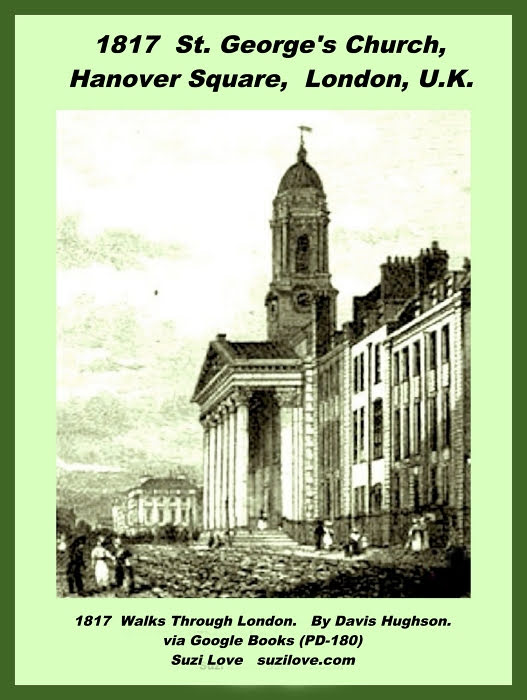
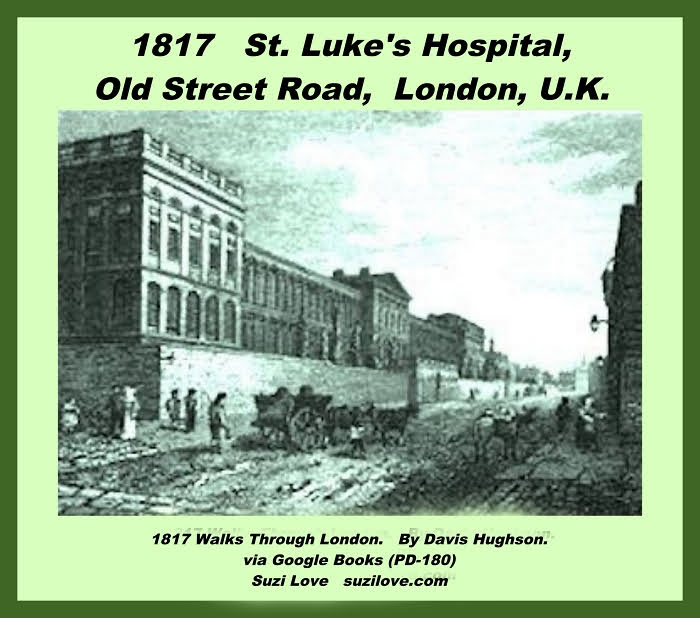
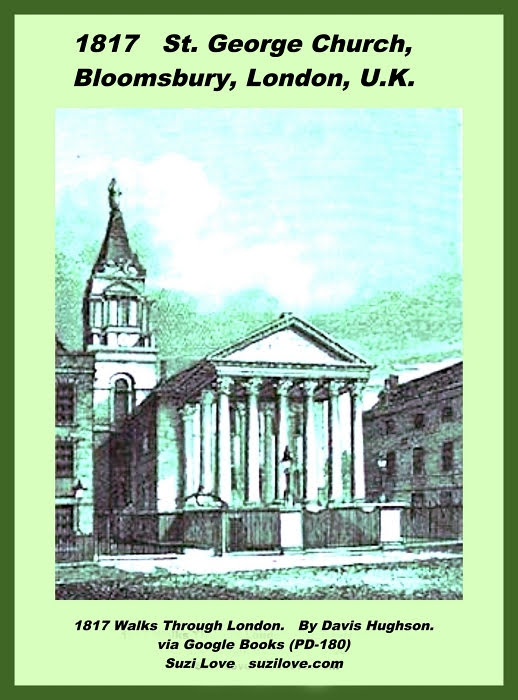
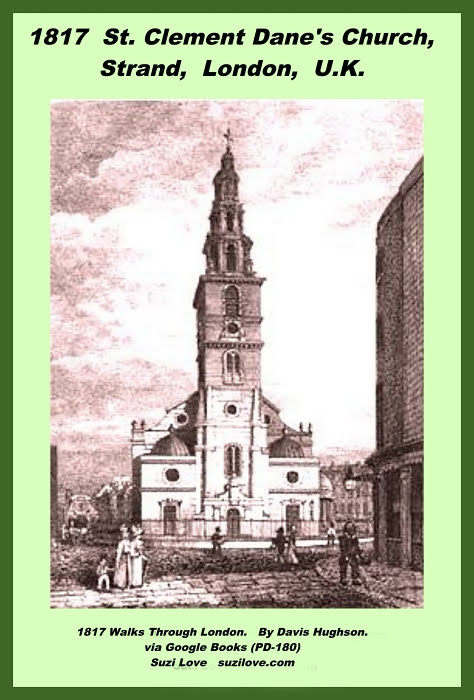
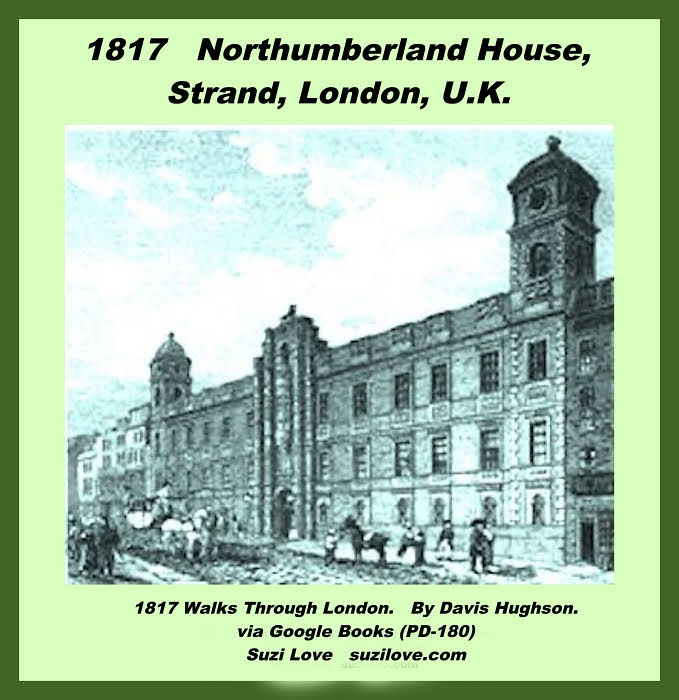
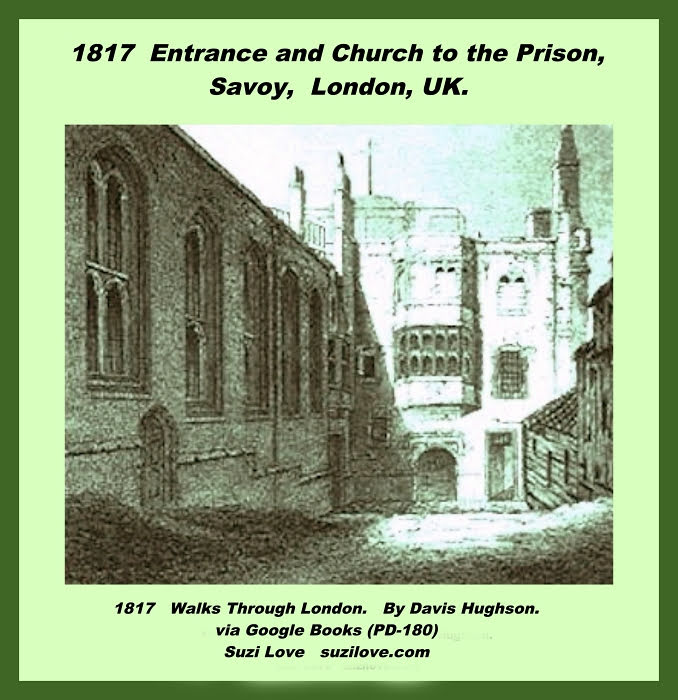
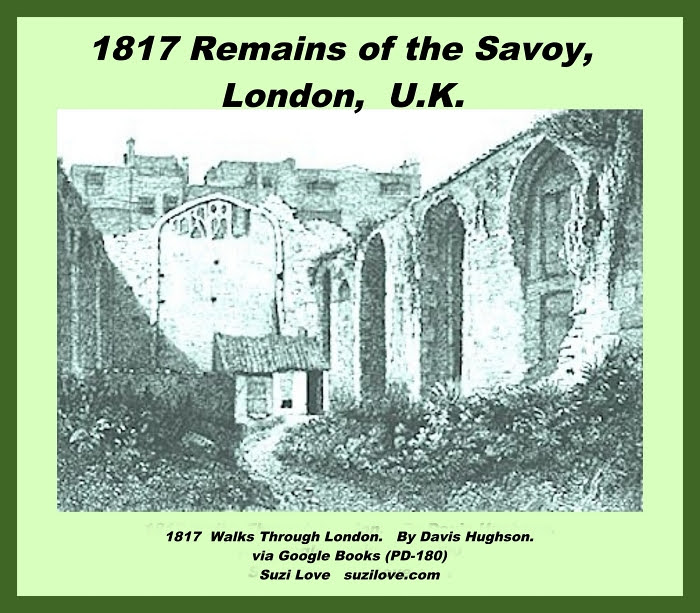
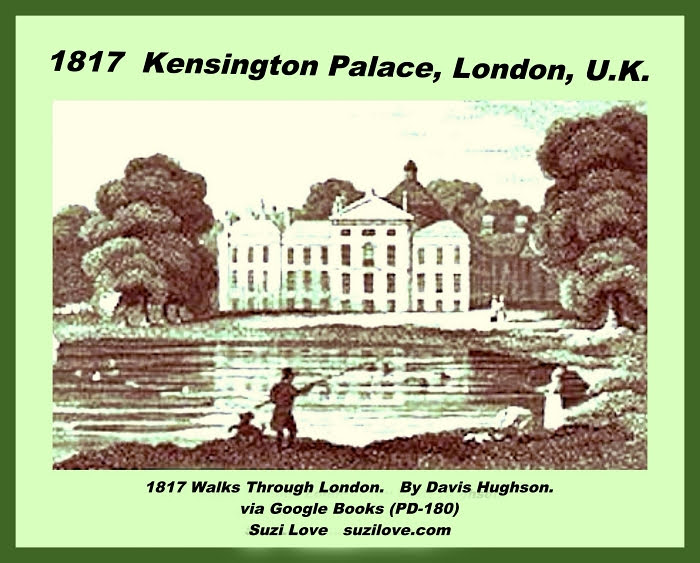
1817 Walks Through London In Bridgerton’s and Jane Austen’s Times. #Bridgerton #RegencyEra #London #JaneAusten

Suzi Love Posted on August 20, 2026 by Suzi LoveAugust 19, 2026

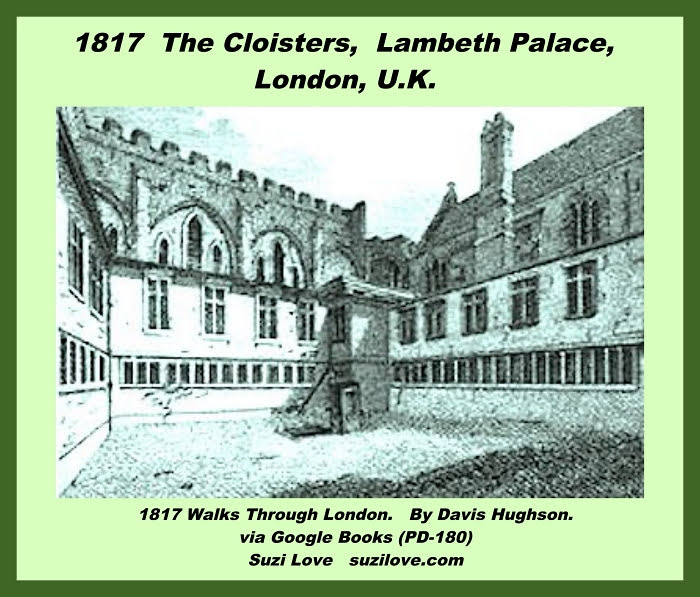
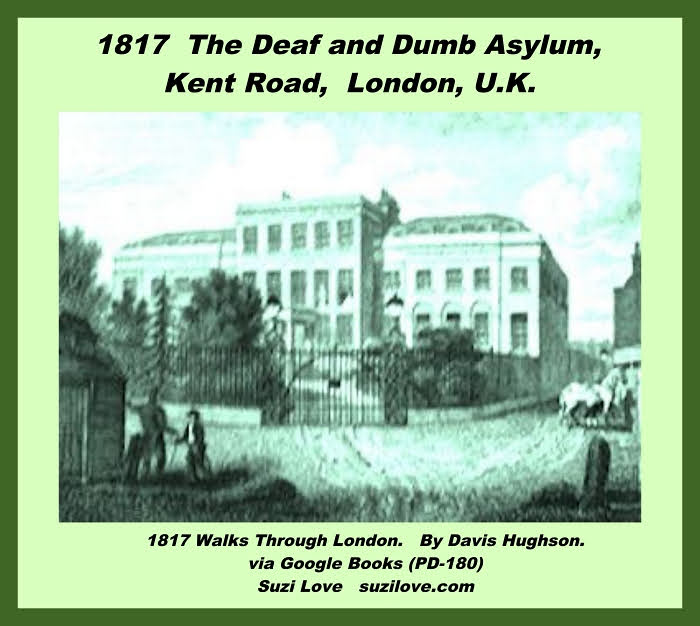
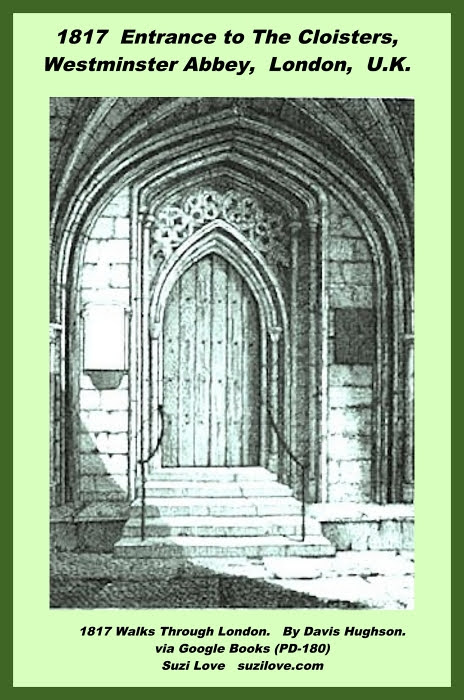
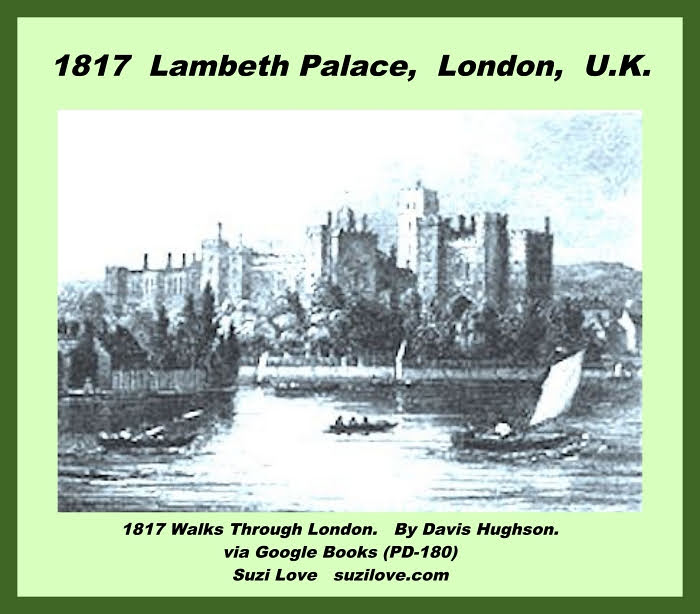
1817 Walks Through London By David Hughson. via Google Books (PD-180) In Bridgerton and Jane Austen times.

1817 Walks Through London By David Hughson. via Google Books (PD-180) In Bridgerton and Jane Austen times.
1817 Walks Through London In Bridgerton’s and Jane Austen’s Times. #Bridgerton #RegencyEra #London #JaneAusten https://books2read.com/ROver
Post On X
RL_1_D2D_Regency Overview RetailerLinks
https://books2read.com/suziloveROver
RL_1_D2D_Regency Overview RetailerLinks https://books2read.com/suziloveROver
Posted in 1800s, Bridgerton, Jane Austen, London, Regency Era | Tagged Bridgerton, google books, Jane Austen, London, London Places, Regency Era

What was fashionable in Bridgerton and Jane Austen times? Mourning, riding, daytime, evening fashions plus corsets and underclothing. #Bridgerton #RegencyFashion #JaneAusten

Suzi Love Posted on August 19, 2026 by Suzi LoveAugust 7, 2026

What was fashionable for women in Jane Austen’s times? Mourning, riding, daytime, evening clothing, plus underclothing, corsets and accessories. Fashion Women 1810-1814 History Notes Book 27 This book looks at what was fashionable for women in Jane Austen’s times, or the early 1800s, or the Regency Era in Britain. Wars were being fought around the globe so women’s fashion adopted a military look in support of soldiers. Fashions, like the lifestyle, became progressively more extravagant and accessories went from colorful to over-the-top. https://books2read.com/SuziLoveFashion1810-1814

The Lady’s Magazine said of the basis of women’s fashion that was popular for the first twenty years of the 1800s, ‘White is still the prevailing color for robes. For morning dresses, linen gowns, in large diamonds or squares, are fashionable. Indian muslins, plain or embroidered, are preferred to Florence and satins. The designs of embroidery for shawls are of infinite variety. Long gloves, which reach above the elbow, are not yet laid aside. Medallions are hung around the neck from crossed chains and some of these medallions are shaped like the bags, called ridicules. These reticules are of the lozenge or hexagon shape, with a small tassel at each angle. Reticules, or ridicules, are in lozenge or hexagon shapes with a small tassel at each angle. In capotes, or hats, and ribbands, the violet and dark green prevail over jonquil. Bracelets in hair, pear-shaped ear-rings, medallions on square plates, saltiers of colored stones, are still in fashion.’

HN_27_History Notes book 27 What was fashionable for women in Jane Austen's times? Mourning, riding, daytime, evening clothing, plus underclothing, corsets and accessories. Wars were being fought so women adopted military looks in support of soldiers. https://books2read.com/SuziLoveFashion1810-1814
What was fashionable in Bridgerton and Jane Austen times? Mourning, riding, daytime, evening fashion plus corsets and underclothing. #Bridgerton #RegencyFashion #JaneAusten https://books2read.com/SuziLoveFashion1810-1814
Post On X
HN_27_D2D_FashWomen1810-1814

https://books2read.com/SuziLoveFashion1810-1814
27_D2D_FashWomen1810-1814
Posted in 1800s, 1800s women's fashion, Australia, bedroom fashion, Canada, cartoon, Coat or Pelisse Or Redingote, Corset, dancing, Decorative Item, Dress Or Robe, England, Europe, fashion accessories, France, Google Books, hats, History, History Notes, Jane Austen, London, Regency Era, Regency Fashion, Reticule or Bag, riding, Russia, sewing, shoes, Spencer, Suzi Love Books, Suzi Love Images, U.S.A, underclothing, weddings | Tagged 1800s women's fashion, Book 27, Bridgerton, Corset, Dress Or Gown, fans, fashion accessories, Fashion Plate, Fashions Of London and Paris, gloves, google books, Hats And Hair, History Notes, Jane Austen, jewelry, Journal des Dames et des Modes, La Belle Assemblee, mourning, parasol, Regency Fashion, reticule or bag, riding, shawls, Shoes, stockings, Suzi Love Books, The Lady's Magazine, The Lady's Monthly Museum, The Repository Of Arts, underclothing

Post navigation

← Previous Post

SUBSCRIBE TO SUZI LOVE'S NEWSLETTER.

Recent Posts

  • 19th Century First Half. Gentleman’s Black Wool Tailcoat With Embroidered Buttons as Worn in Bridgerton and Jane Austen times. #Bridgerton #JaneAusten #RegencyFashion
  • Do you love Jane Austen and Bridgerton fashions? Corsets Or Stays Worn During the Early 1800s, or Regency Era, Book 17 History Notes #Bridgerton #JaneAusten #RegencyFashion #Corsets
  • Tradition of Birthday Parties #history #customs #birthday
  • 1800 Riding Dress For A Young Man of Jane Austen’s Acquaintance. Blue cutaway coat and loose pants tucked into high black riding boots. #JaneAusten #ridingfashion #RegencyFashion #France
  • 1816 November. Bridgerton and Jane Austen High-waisted, Striped Evening Dress With Short Puffed Sleeves. #bridgerton #RegencyFashion #JaneAusten

Recent Comments

  1. Suzi Love on Book Hooks: Petunia and the Pearl Diver. Petunia was too well spoken for a brothel worker. #Regencyromance #historicalromance #London #mfrw
  2. Bianca White on Book Hooks: Petunia and the Pearl Diver. Petunia was too well spoken for a brothel worker. #Regencyromance #historicalromance #London #mfrw
  3. Suzi Love on Book Hooks: Petunia and the Pearl Diver. Petunia was too well spoken for a brothel worker. #Regencyromance #historicalromance #London #mfrw
  4. Suzi Love on Book Hooks: Petunia and the Pearl Diver. Petunia was too well spoken for a brothel worker. #Regencyromance #historicalromance #London #mfrw
  5. Suzi Love on Book Hooks: Petunia and the Pearl Diver. Petunia was too well spoken for a brothel worker. #Regencyromance #historicalromance #London #mfrw

Login

  • Log in

Archives

  • October 2026
  • September 2026
  • August 2026
  • July 2026
  • June 2026
  • May 2026
  • April 2026
  • March 2026
  • February 2026
  • January 2026
  • December 2025
  • November 2025
  • October 2025
  • September 2025
  • August 2025
  • July 2025
  • June 2025
  • May 2025
  • April 2025
  • March 2025
  • February 2025
  • January 2025
  • December 2024
  • November 2024
  • October 2024
  • September 2024
  • August 2024
  • July 2024
  • June 2024
  • May 2024
  • April 2024
  • March 2024
  • February 2024
  • January 2024
  • November 2023
  • October 2023
  • September 2023
  • August 2023
  • April 2023
  • June 2022
  • April 2022

Categories

  • 1700s
  • 1700s Mens fashion
  • 1700s Womens Fashion
  • 1800s
  • 1800s Mens Fashions
  • 1800s women's fashion
  • 1900s
  • art
  • Australia
  • Bath
  • bedroom fashion
  • Book Hooks
  • Box Or Container
  • Bridgerton
  • Bus Trips
  • Canada
  • Carriage
  • cartoon
  • Celebrity
  • Chatelaine
  • children
  • Children
  • Christmas
  • Coat or Pelisse Or Redingote
  • Contemporary
  • Corset
  • Couple
  • Customs & Manners
  • dancing
  • December Scandal
  • Decorative Item
  • Dress Or Robe
  • Easter
  • Edwardian Era
  • Embracing Scandal
  • England
  • Ester In Images
  • Europe
  • Events
  • Fashion
  • fashion accessories
  • Food and Drink
  • Four Times A Virgin
  • France
  • furniture
  • Georgian Era
  • Georgian Fashion
  • Google Books
  • Grand Tour
  • Group
  • hats
  • History
  • History Events
  • History Notes
  • History Of Christmases Past
  • household
  • Hygiene
  • Irresistible Aristocrats
  • Jane Austen
  • Keanu Reeves
  • Kellys Justice
  • Legal
  • London
  • Love After Waterloo
  • Loving Lady Katharine
  • medical
  • military
  • money
  • mourning
  • Music
  • Outback Arrival
  • pants
  • Pastimes
  • peerage
  • People
  • Petunia and Pearl Diver
  • Places
  • Pleasure House Ball
  • postal
  • Queensland
  • Quotations
  • Regency Era
  • Regency Fashion
  • Regency Life Series
  • Reticule or Bag
  • riding
  • Romantic Era
  • Royalty
  • Russia
  • Scandalous Siblings Series
  • Scenting Scandal
  • Self Publishing
  • sewing
  • Shirt
  • shoes
  • Shopping
  • South Pacific
  • Spencer
  • sports
  • Suit
  • Sunday Snippet
  • Suzi Love
  • Suzi Love Books
  • Suzi Love Images
  • Suzi Love Writing
  • Swain Cove
  • THe Viscount's Pleasure House
  • travel
  • U.S.A
  • underclothing
  • Vest or Waistcoat
  • Victorian Era
  • Victorian Fashion
  • weapons
  • weddings
  • Writing Tools

1800s men fashion 1800s women's fashion antiques Bridgerton British history Cartoons Corset cravat decorative Dress Or Gown England europe fashion accessories Fashion Plate France Georgian era Georgian Fashion gloves google books Hats And Hair historical romance History Notes household Jane Austen jewelry Journal des Dames et des Modes London Metropolitan Museum NYC pants Redingote Or Pelisse Or Coat Regency Era Regency Fashion Regency London Regency romance reticule or bag riding sewing shawls Shoes Suzi Love Books Suzi Love Images Tailcoat The Repository Of Arts underclothing Vest or Waistcoat

©2026 - Suzi Love - Weaver Xtreme Theme Privacy Policy
↑