↓
 

Suzi Love

Making history fun, one year at a time.

Header_
  • Home
  • Newsletter
  • Pre order form
  • Shop
    • Cart
    • Checkout
    • My account
    • Refund and Returns Policy
  • Blog
  • BOOKS
    • History Events
    • Kelly’s Justice
    • Irresistible Aristocrats
    • History Notes
    • Scandalous Siblings
    • Love After Waterloo
    • Regency Life Series
  • Privacy Policy
  • EVENTS
Home » Victoria and Albert Museum » Page 3 << 1 2 3 4 5 >>

Tag Archives: Victoria and Albert Museum

Post navigation

← Previous Post
Next Post→

1818-1823 ca. Silk Turban As Worn In Jane austen and Bridgerton Times. #Bridgerton #JaneAusten #RegencyEra #HistoricalFashion #Hats

Suzi Love Posted on June 20, 2025 by Suzi LoveJune 14, 2025

1818-1823 ca. Turban, London, U.K. Silk, silk thread, paper, cotton, wire,and hand-sewn. Cap is gathered and full to mimic the shape of a turban which became popular evening wear around 1820 when ‘exotic’ was fashionable.

1818-1823 ca. Turban, London, U.K. Silk, silk thread, paper, cotton, wire,and hand-sewn. Cap is gathered and full to mimic the shape of a turban which became popular evening wear around 1820 when 'exotic' was fashionable.

Silk, silk thread, paper, cotton, wire and hand-sewn. A full cap of white satin gathered into a headband in imitation of a turban. The crown is inset with white net embroidered in circles with white silk thread. The headband is of white satin with three horizontal tucks and edged with white silk plush. Trimmed on one side with artificial flowers made of wired green paper leaves and white muslin rosebuds. via Victoria and Albert Museum, London, U.K.

Early 19th-century etiquette required a lady’s head to be covered at all times, even with evening dress. A cap such as this one, gathered and full to suggest the shape of a turban, was popular for evening wear about 1820. The Romantic movement created an interest in the dress of non-European countries, particularly North Africa and the Middle East. Decorative motifs and accessories were borrowed to make current fashions more ‘exotic’. Although knowledge of the proper proportions and construction of a turban was not available to British milliners, the overall shape was approximated for the most fashionable headwear.

1818-1823 ca. Silk Turban As Worn In Jane austen and Bridgerton Times. #Bridgerton #JaneAusten #RegencyEra #HistoricalFashion #Hats https://books2read.com/SuziLoveFashionWomen1815-1819 Share on X
HN_28_D2D_Fashion Women 1815-1819
https://books2read.com/SuziLoveFashionWomen1815-1819
Fashion Women 1815-1819 History Notes Book 28 https://books2read.com/SuziLoveFashionWomen1815-1819
Posted in 1800s women's fashion, Bridgerton, England, hats, Jane Austen, Regency Era, Regency Fashion, Suzi Love Images | Tagged 1800s women's fashion, Bridgerton, Hats And Hair, Jane Austen, Regency Fashion, Victoria and Albert Museum

1810-1820 ca. Machine Knitted White Cotton Pantaloons, Probably Military, As Worn in Jane Austen and Bridgerton Times. #Bridgerton #JaneAusten #RegencyFashion #military

Suzi Love Posted on June 20, 2025 by Suzi LoveMay 10, 2025

1810-1820 ca. Pantaloons, Probably Military, British. The type of pants worn by men in Jane Austen’s times when wars were being fought all over the world, especially in Europe. Machine-knitted white cotton decorated with cream silk braid on sides and fronts as seen on Hussar uniforms. Cut to fit the leg and button bottom at waist with three buttons. Front fall buttons over five buttoned fly, two horizontal pockets at front below waistband and fob pocket in waistband. Four metal buttons for braces, two front and two back. Cotton ‘puff’ centre back waist and two linen tapes for waist adjustment. via Victoria and Albert Museum, London, UK. collections.vam.ac.uk.

Pair of men’s pantaloon trousers made of machine-knitted white cotton and decorated with cream silk braid applied down the sides and on the fronts. This imitates the hussar uniforms of the period and appeared on fashionable men’s dress. The pantaloons are cut to fit the leg and button at the bottom with three buttons. The pantaloons fasten at the front with front falls buttoning over a five buttoned fly. There are two horizontal pockets at the front below the waistband and a fob pocket in the waistband. There are four metal buttons for braces, two at the front and two at the back. These probably are original. There is a cotton ‘puff’ at the centre back waist and two linen tapes for waist adjustment.

Pantaloons also brought the glamour of military uniform into men’s fashionable dress, especially when teamed with Hessian boots. Uniforms worn by the various armies during the Napoleonic Wars (1793-1815) were often very colourful and lavishly adorned with braid and tassels. It is hardly surprising that some of these attractive trimmings should have infiltrated fashion, particularly when nationalistic feelings ran high. Civilian pantaloons were often ornamented with military-style braid that was applied in a vertical band of topside Russia braiding. They were not, however, generally decorated on the front, which suggests that this pair was for military use. The silk braid is applied in the form of an Austrian knot, which was a popular motif on pantaloons of the light cavalry such as the hussars and light dragoons.

1810-1820 ca. Pantaloons, Probably Military, British. Machine-knitted white cotton decorated with cream silk braid on sides and fronts as seen on Hussar uniforms. Cut to fit the leg and button bottom at waist with three buttons. Front fall buttons over five buttoned fly, two horizontal pockets at front below waistband and fob pocket in waistband. Four metal buttons for braces, two front and two back. Cotton 'puff' centre back waist and two linen tapes for waist adjustment. via Victoria and Albert Museum, London, UK. collections.vam.ac.uk.
1810-1820 ca. Machine Knitted White Cotton Pantaloons, Probably Military, As Worn in Jane Austen and Bridgerton Times. #Bridgerton #JaneAusten #RegencyFashion #military https://books2read.com/SuziLoveFashionMen1800-1819 Share on X
HN_23_D2D_Fashion Men 1800-1819
https://books2read.com/SuziLoveFashionMen1800-1819
HN_23_D2D_Fashion Men 1800-1819. https://books2read.com/SuziLoveFashionMen1800-1819
Posted in 1800s, 1800s Mens Fashions, Bridgerton, England, Jane Austen, London, military, pants, Regency Era, Regency Fashion, Suzi Love Images | Tagged 1800s men fashion, Bridgerton, England, Jane Austen, military, pants, Regency Fashion, uniform, Victoria and Albert Museum

1890 Machine Stitched Brown Twill Corset, England or Germany. #VictorianEra #BritishHistory #Corset

Suzi Love Posted on January 27, 2025 by Suzi LoveJanuary 19, 2025

1890 Cotton Twill Corset, England or Germany. Machine stitched with front hooks and back lacing and made in two parts. Brown corset with the bones covered with a darker cotton twill, black fabric covered busks and a trimming of black machine-made cotton lace. Lined with white cotton twill and the top and bottom are bound with reddish brown tape.

The front fastens with a busk and the backs are provided with metal eyelets for a lace. The corset is hip length, curving to a rounded point in the front and less deeply at the back. The bones are close-set and splayed out at the bust and hips, and at the tops are trimmed with fancy stitching in cream. There is a band of dark brown cording at the top, covering the breasts. At the waist there is a V-shaped band in darker brown stitching. With metal fastenings. via  http://collections.vam.ac.uk/item/O351699/corset-unknown/

Corsets 1880-1900 History Notes Book 20 This book shows how a fashionable silhouette became of paramount importance and how a well-fitted corset became a fashion essential. As well as a decorative fashion item,  tight lacing gave a narrow waist and the desired feminine form under clothing. https://books2read.com/SuziLoveCorsetBook20

1890 Cotton Twill Corset, England or Germany. Front hooks and back lacing. Cotton twill, machine-made cotton lace, lined with cotton twill, boned and metal. via suzilove.com Victoria and Albert Museum, London, UK. collections.vam.ac.uk.
1890 Machine Stitched Brown Twill Corset, England or Germany. #VictorianEra #BritishHistory #Corset https://books2read.com/SuziLoveCorsetBook20 Share on X
HN _20_D2D_Corsets 1880-1900Book 20 https://books2read.com/SuziLoveCorsetBook20
HN _20_D2D_Corsets 1880-1900Corsets 1880-1900 History Notes Book 20 https://books2read.com/SuziLoveCorsetBook20
Posted in 1800s, 1800s women's fashion, Corset, England, London, Suzi Love Images, Victorian Era | Tagged Book 20, Corset, History Notes, Suzi Love Books, Suzi Love Images, Victoria and Albert Museum, Victorian Era, Victorian fashion
1836-1840 ca. Day Dress Of Printed Cotton, English. Printed in soft pink, red, white and green floral motif on light brown, edged with green silk satin piping, lined with linen and cotton and sleeves tightly gathered, loose at elbows, skirt gathered from tight fitting bodice. via Victoria and Albert Museum, London, UK. collections.vam.ac.uk.

1836-1840 ca. Floral Print Cotton Dress With Silk Satin Piping. #RomanticEra #Fashion #BritishHistory

Suzi Love Posted on December 4, 2024 by Suzi LoveNovember 26, 2024

1836-1840 ca. Floral Print Cotton Dress With Silk Satin Piping, English. Cotton printed in soft pink, red, white, and green floral motif on light brown, edged with green silk satin piping and lined with linen and cotton. Sleeves tightly gathered, loose at elbow, skirt gathered from tight fitting bodice edged with green satin piping. via Victoria and Albert Museum, London, UK. collections.vam.ac.uk.From the Museum: Soft colours and floral patterns are a distinctive feature of many 1830s day dresses. Here, pink, red and white flowers harmonise with the brown ground and green piping. The construction of the sleeves is also interesting as they are tightly gathered at the top and loose around the elbow. This accentuates the slope of the shoulder and the tightness of the wrist.

1836-1840 ca. Day Dress Of Printed Cotton, English. Printed in soft pink, red, white and green floral motif on light brown, edged with green silk satin piping, lined with linen and cotton and sleeves tightly gathered, loose at elbows, skirt gathered from tight fitting bodice. via Victoria and Albert Museum, London, UK. collections.vam.ac.uk.
.
1836-1840 ca. Day Dress Of Printed Cotton, English. Printed in soft pink, red, white and green floral motif on light brown, edged with green silk satin piping, lined with linen and cotton and sleeves tightly gathered, loose at elbows, skirt gathered from tight fitting bodice. via Victoria and Albert Museum, London, UK. collections.vam.ac.uk.
.
1836-1840 ca. Day Dress Of Printed Cotton, English. Printed in soft pink, red, white and green floral motif on light brown, edged with green silk satin piping, lined with linen and cotton and sleeves tightly gathered, loose at elbows, skirt gathered from tight fitting bodice. via Victoria and Albert Museum, London, UK. collections.vam.ac.uk.
1836-1840 ca. Floral Print Cotton Dress With Silk Satin Piping. #RomanticEraFashion #HistoricalFashion #BritishHistory https://www.bookbub.com/profile/suzi-love Share on X
Suzi Love Book Bub https://www.bookbub.com/profile/suzi-love
Posted in 1800s, 1800s women's fashion, Dress Or Robe, England, Romantic Era, Suzi Love Images | Tagged 1800s women's fashion, Dress Or Gown, Romantic Era, sewing, Victoria and Albert Museum, Victorian fashion

1660-1700 ca. Green Velvet Gaming Purse For Holding Money, Probably French. #History #France #Gambling

Suzi Love Posted on November 7, 2024 by Suzi LoveNovember 4, 2024

1660-1700 ca. Gaming Purse, Probably French. Green velvet trimmed with copper-gilt thread. Gaming or gambling with cards popular 17th-century pastime and any gentleman or lady not playing games like Quadrille and Basset would have been considered ‘low-bred and hardly fit for conversation’ according to ‘The Compleat Gamester’, published in 1674. Typically, gaming purses had flat, circular bases with sides gathered on a drawstring. via Victoria and Albert Museum, London, UK. collections.vam.ac.uk.

1660-1700 ca. Gaming Purse, Probably French. Green velvet trimmed with copper-gilt thread. Gaming or gambling with cards popular 17th-century pastime and any gentleman or lady not playing games like Quadrille and Basset would have been considered 'low-bred and hardly fit for conversation' according to 'The Compleat Gamester', published in 1674. Typically, gaming purses had flat, circular bases with sides gathered on a drawstring. via Victoria and Albert Museum, London, UK. collections.vam.ac.uk.
1660-1700 ca. Green Velvet Gaming Purse For Holding Money, Probably French. #History #France #Gambling. http://books2read.com/suziloveReticules Share on X
HN_3_D2D_RetailerBuyLink_HN_3 http://books2read.com/suziloveReticules
D2D_RetailerBuyLink_HN_3 http://books2read.com/suziloveReticules
Posted in Box Or Container, Europe, France, History, money, Pastimes, Reticule or Bag, Suzi Love Images | Tagged British history, fashion accessories, France, games, money, pastimes, reticule or bag, Victoria and Albert Museum

1830 ca. Quilted Buff Canvas Corset, English. #Corset #RomanticEraFashion #BritishHistory #Underclothing

Suzi Love Posted on November 4, 2024 by Suzi LoveNovember 4, 2024

1830 ca. Quilted Buff Canvas Corset, English. Quilted canvas, wood, boning, and brass. Self lined, quilted with back stitch. 

Front fastening, shoulder straps, and brass eyelets for back. The wide centre front busk may be of wood and these stays are boned from the waist through the centre of the bust gussets, with three bones at each side and on each side of the back lacing. The rest is quilted, the top is over a cord foundation, and there are gussets at the hips. Eyelets in the back and strap lacing are of brass and machine inserted. On the left of the centre busk at hip level, is a tape stretched so that it ties horizontally. The top and straps are bound with tape. Self lined, quilted in back stitch, the waist is herringboned, and the bases of the bust and hip gores are button-holed. via Victoria and Albert Museum, London, UK.  collections.vam.ac.uk       

1830 ca. Quilted Buff Canvas Corset, English. Quilted canvas, wood, boning, and brass. Self lined, quilted with back stitch. 

Front fastening, shoulder straps, and brass eyelets for back. The wide centre front busk may be of wood and these stays are boned from the waist through the centre of the bust gussets, with three bones at each side and on each side of the back lacing. The rest is quilted, the top is over a cord foundation, and there are gussets at the hips. Eyelets in the back and strap lacing are of brass and machine inserted. On the left of the centre busk at hip level, is a tape stretched so that it ties horizontally. The top and straps are bound with tape. Self lined, quilted in back stitch, the waist is herringboned, and the bases of the bust and hip gores are button-holed. via Victoria and Albert Museum, London, UK.  collections.vam.ac.uk

1830 ca. Quilted Buff Canvas Corset, English. #Corset #RomanticEraFashion #BritishHistory #Underclothing https://books2read.com/SuziLoveCorsetBook18 Share on X
HN_18_D2D_Corsets 1830-1850
HN_18_D2D_Corsets 1830-1850. https://books2read.com/SuziLoveCorsetBook18

Posted in 1800s, 1800s women's fashion, Corset, England, Romantic Era, Suzi Love Images, underclothing | Tagged 1800s women's fashion, Corset, Romantic Era Fashion, underclothing, Victoria and Albert Museum

1830-1835 ca. Canary Yellow Leather and Silk Slippers, British. #RomanticEra #Shoes #Fashion

Suzi Love Posted on September 27, 2024 by Suzi LoveSeptember 22, 2024

1830-1835 ca. Canary Yellow Leather and Silk Slippers, British. Silk satin lined, kid leather and linen. via Victoria and Albert Museum, London, UK. collections.vam.ac.uk.

1830s Shoes: Producing different shoes for right and left feet started around 1830 in France. In these first attempts, little paper labels on the insoles of the shoes indicated left and right. However, the shoes were still made on straight lasts with no differentiation between the left and right foot. By the end of the 19th century, producing left and right shoes had become common as shoemakers then worked with combinations of sole and vamp cuts tailored to fit either the right or the left foot. The first steps towards the mechanisation of shoemaking were taken during the Napoleonic Wars. In 1810, engineer Marc Brunel developed a machinery that could mass-produce nailed boots for the soldiers of the British Army. But after the end of the war in 1815, manual labour became cheap, and the demand for military shoes declined. The industrialization of shoemaking began around 1830.

1830-1835 ca. Canary Yellow Silk Slippers, British. Silk satin lined, kid leather and linen. via Victoria and Albert Museum, London, UK. collections.vam.ac.uk.
1830-1835 ca. Canary Yellow Leather and Silk Slippers, British. #RomanticEra #Shoes #HistoricalFashion https://www.bookbub.com/profile/suzi-love Share on X
Suzi Love Book Bub https://www.bookbub.com/profile/suzi-love

Posted in 1800s, 1800s women's fashion, England, London, Romantic Era, shoes, Suzi Love Images | Tagged 1800s women's fashion, Romantic Era, Shoes, Victoria and Albert Museum
1800 ca. White Muslin Gown, British. Empire Style, or high-waisted, gathered under bust to form softly falling skirt, long straight sleeves. Fabric from Bengal, India, made for European market. White cotton embroidered with white cotton thread. via Victoria and Albert Museum, London, UK. collections.vam.ac.uk.

1800 Jane Austen Style Embroidered White On White Muslin Robe, British. #JaneAusten #RegencyFashion #HistoricalFashion

Suzi Love Posted on September 20, 2024 by Suzi LoveSeptember 20, 2024

1800 ca. White Muslin Gown, British. Empire Style, or high-waisted, gathered under bust to form softly falling skirt, long straight sleeves. Fabric from Bengal, India, made for European market. White cotton embroidered with white cotton thread.
via Victoria and Albert Museum, London, UK. collections.vam.ac.uk.

About 1800 Women’s dress changed dramatically after 1785. The rich fabrics and complicated, formal shapes of the late 18th century gave way to simple, light fabrics that draped easily. These new gowns achieved something of the effect of the simple tunics shown on classical Greek and Roman statues and vases, Muslin embroidered with cotton thread Fabric made in India, gown made in England Given by Miss Frances Vickers Museum no. 444-1888 (2013) Victoria and Albert Museum, London.

By the end of the 18th century, rigidly tailored garments for both men and women were replaced by styles made for ease and comfort, resulting in the neoclassical style of the 1780s. Inspired in part by the statuary of ancient Greece and Rome, the new fashion was epitomised by light cotton gowns falling around the body in an unstructured way, held around the high waist with a simple sash and accompanied by a soft shawl draped around exposed shoulders. This style was ideal for the Indian imports like Kashmiri shawls and Bengali muslin, as used in this embroidered gown. Championed by such influential figures as Emma Hamilton in England and Madame Récamier in France, the so-called ‘Empire’ style catapulted Indian muslin into the forefront of fashion.

Definition Empire Style Dress:  Named after the First Empire in France. Empire dresses had a low neckline and skirts started directly under the bust and flowed into the classical relaxed wide styles of Greece and Rome. This style of dress is associated with Jane Austen and her contemporaries as a high-waisted dress was worn most days. Cotton, silk or taffeta were the popular fabrics. Only the very wealthy could afford white dress in this style as the cottons were imported from India and had to be carefully cleaned, usually by a lady’s maid.

1800 ca. White Muslin Gown, British. Empire Style, or high-waisted, gathered under bust to form softly falling skirt, long straight sleeves. Fabric from Bengal, India, made for European market. White cotton embroidered with white cotton thread. via Victoria and Albert Museum, London, UK. collections.vam.ac.uk.
1800 Jane Austen Style Embroidered White On White Muslin Robe, British. #JaneAusten #RegencyFashion #HistoricalFashion books2read.com/SuziLoveFashionWomen1800 Share on X
HN_12_D2D Retailer Buy Link
books2read.com/SuziLoveFashionWomen1800
HN_12 D2D_RetailerBuyLink_HN_12 books2read.com/SuziLoveFashionWomen1800
Posted in 1800s, 1800s women's fashion, Dress Or Robe, England, Jane Austen, Regency Era, Regency Fashion, sewing, Suzi Love Images | Tagged 1800s women's fashion, Dress Or Gown, fabrics, Jane Austen, Regency Fashion, sewing, Victoria and Albert Museum | Leave a reply
1820 8. Collage Ball Gown of Embroidered Net, British. Puffed short sleeves, underdress of silk satin, overdress of machine-made silk net embroidered with metal and trimmed with blonde bobbin lace. Low oval neckline, wedge shaped front bodice panel and medium high waist, or, not quite Empire line. collections.vam.ac.uk

1820 Short Sleeved Ball Gown of Embroidered Silk Net, British. #RegencyFashion #Historicalfashion #sewing

Suzi Love Posted on September 19, 2024 by Suzi LoveSeptember 18, 2024

1820 Ball Gown of Embroidered Net, British. Silk satin and silk net embroidered with metal and trimmed with silk blonde bobbin lace, hand sewn.  Short-sleeved ball gown comprising of an underdress of silk satin and an overdress of machine-made silk net embroidered with metal and trimmed with blonde bobbin lace. The dress has a low  oval neckline, puffed short sleeves, a wedge shaped front bodice panel,  and a medium high waist. The skirt has a central front panel, wedge shaped panels and the centre back panels are tightly gathered at the waist.

From the Museum Curator: ‘Women saved their most elaborate dresses for special occasions such as balls. Lavish gowns embellished with gold thread or sparkling beads glittered in the artificial light of the dancing room. Thin, gauzy materials created a soft dreamy look. These light materials also prevented the wearer from getting too hot while dancing in stuffy, overcrowded spaces’. Victoria and Albert Museum, London, UK

1820 1. Front Hem Ball Gown of Embroidered Net, British. Puffed short sleeves, underdress of silk satin, overdress of machine-made silk net embroidered with metal and trimmed with blonde bobbin lace. Low oval neckline, wedge shaped front bodice panel and medium high waist, or, not quite Empire line. collections.vam.ac.uk
1820 2. Back Ball Gown of Embroidered Net, British. Puffed short sleeves, underdress of silk satin, overdress of machine-made silk net embroidered with metal and trimmed with blonde bobbin lace. Low oval neckline, wedge shaped front bodice panel and medium high waist, or, not quite Empire line. collections.vam.ac.uk
1820 3. Side Ball Gown of Embroidered Net, British. Puffed short sleeves, underdress of silk satin, overdress of machine-made silk net embroidered with metal and trimmed with blonde bobbin lace. Low oval neckline, wedge shaped front bodice panel and medium high waist, or, not quite Empire line. collections.vam.ac.uk
1820 4. Bodice Ball Gown of Embroidered Net, British. Puffed short sleeves, underdress of silk satin, overdress of machine-made silk net embroidered with metal and trimmed with blonde bobbin lace. Low oval neckline, wedge shaped front bodice panel and medium high waist, or, not quite Empire line. collections.vam.ac.uk
1820 7. Sleeve. Ball Gown of Embroidered Net, British. Puffed short sleeves, underdress of silk satin, overdress of machine-made silk net embroidered with metal and trimmed with blonde bobbin lace. Low oval neckline, wedge shaped front bodice panel and medium high waist, or, not quite Empire line. collections.vam.ac.uk
1820 5. Hem Ball Gown of Embroidered Net, British. Puffed short sleeves, underdress of silk satin, overdress of machine-made silk net embroidered with metal and trimmed with blonde bobbin lace. Low oval neckline, wedge shaped front bodice panel and medium high waist, or, not quite Empire line. collections.vam.ac.uk
1820 Short Sleeved Ball Gown of Embroidered Silk Net, British. #RegencyFashion #Historicalfashion #sewing. https://books2read.com/SuziLoveFashionWomen1815-1819 Share on X
HN_28_D2D_Fashion Women 1815-1819
https://books2read.com/SuziLoveFashionWomen1815-1819
Fashion Women 1815-1819 History Notes Book 28 https://books2read.com/SuziLoveFashionWomen1815-1819
Posted in 1800s, 1800s women's fashion, Dress Or Robe, England, London, Regency Era, Regency Fashion, sewing, Suzi Love Images | Tagged 1800s women's fashion, Dress Or Gown, Regency Fashion, sewing, Suzi Love Images, Victoria and Albert Museum | Leave a reply
guitar_1780 ca. English Guitar, Lisbon, Portugal. Made by Jaco Vieira da Silva Pine back, sides and soundboards, with pine and wood purfling (bordering); brass openwork rose, framed with mother-of-pearl. The English guitar was a fashionable instrument from about 1750, considered easy to play and tuned in C major, although the player would use a capo, much like a modern folk-guitarist, in order to change the key. The tuning pegs were often small metallic pins that could be turned with a watch-key, to keep the strings in tune longer. This instrument was made in Portugal, a country with strong trading links with England, and its peg box is decorated with a paper ‘cameo’ in imitation of a jasper ware medallion, a motif made popular by Josiah Wedgwood (1730-1795) from about 1770. Victoria and Albert Museum, London, U.K.

1780 ca. English Guitar, Lisbon Made by Jaco Vieira da Silva. #Music #Guitar #Portugal #GeorgianEra

Suzi Love Posted on September 12, 2024 by Suzi LoveAugust 28, 2024

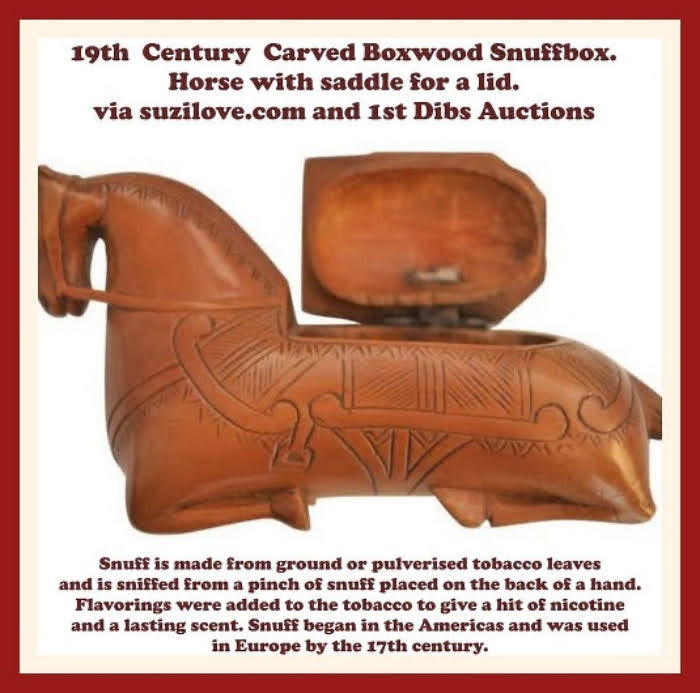
1780 ca. English Guitar, Lisbon Made by Jaco Vieira da Silva. Pine back, sides and soundboards, with pine and wood purfling or bordering, brass openwork rose, framed with mother-of-pearl. The English guitar was a fashionable instrument from about 1750, considered easy to play and tuned in C major, although the player would use a capo, much like a modern folk-guitarist, in order to change the key. The tuning pegs were often small metallic pins that could be turned with a watch-key, to keep the strings in tune longer. This instrument was made in Portugal, a country with strong trading links with England, and its peg box is decorated with a paper ‘cameo’ in imitation of a jasper ware medallion, a motif made popular by Josiah Wedgwood (1730-1795) from about 1770. Victoria and Albert Museum, London, U.K.  History Notes Book 6 Music General https://www.suzilove.com/wp-admin/books2read.com/suziloveMusicGeneral \

1780 ca. English Guitar, Lisbon, Portugal. Made by Jaco Vieira da Silva Pine back, sides and soundboards, with pine and wood purfling (bordering); brass openwork rose, framed with mother-of-pearl. The English guitar was a fashionable instrument from about 1750, considered easy to play and tuned in C major, although the player would use a capo, much like a modern folk-guitarist, in order to change the key. The tuning pegs were often small metallic pins that could be turned with a watch-key, to keep the strings in tune longer. This instrument was made in Portugal, a country with strong trading links with England, and its peg box is decorated with a paper ‘cameo’ in imitation of a jasper ware medallion, a motif made popular by Josiah Wedgwood (1730-1795) from about 1770. Victoria and Albert Museum, London, U.K.
.
1780 ca. English Guitar, Lisbon, Portugal. Made by Jaco Vieira da Silva Pine back, sides and soundboards, with pine and wood purfling (bordering); brass openwork rose, framed with mother-of-pearl. The English guitar was a fashionable instrument from about 1750, considered easy to play and tuned in C major, although the player would use a capo, much like a modern folk-guitarist, in order to change the key. The tuning pegs were often small metallic pins that could be turned with a watch-key, to keep the strings in tune longer. This instrument was made in Portugal, a country with strong trading links with England, and its peg box is decorated with a paper ‘cameo’ in imitation of a jasper ware medallion, a motif made popular by Josiah Wedgwood (1730-1795) from about 1770. Victoria and Albert Museum, London, U.K.
1780 ca. English Guitar, Lisbon Made by Jaco Vieira da Silva. #Music #Guitar #Portugal #GeorgianEra. https://www.books2read.com/suziloveMusicGeneral Share on X
HN_6_D2D_Music General_ books2read.com/suziloveMusicGeneral

Posted in 1700s, Decorative Item, Europe, Georgian Era, History, Music, Pastimes, Suzi Love Images | Tagged 1700s Or Georgian Era, europe, Georgian era, guitar, music, Victoria and Albert Museum | Leave a reply

Post navigation

← Previous Post
Next Post→

SUBSCRIBE TO SUZI LOVE'S NEWSLETTER.

Recent Posts

  • 1815 Typical English Dinner In Jane Austen and Bridgerton Times. Two Courses and Desert. #RegencyEra #JaneAusten #Food #History
  • Why Did Women Wear Chatelaines Dangling From Chains In Bridgerton and Jane Austen’s Times? Women carried essential items on them. #Bridgerton #JaneAusten #RegencyFashion #GeorgianFashion #VictorianFashion
  • 19th Century Food For The Upper Classes In Bridgerton and Jane Austen Times. #Bridgerton #JaneAusten #RegencyEra #HistoricalFood
  • 1813 October White At-Home Dress, Lace Cap and Red Shawl As Worn in Jane Austen and Bridgerton years. #RegencyFashion #JaneAusten #Bridgerton
  • 1803 Jane Austen Style Bodice and Colorful Turbans, French. #RegencyFashion #Hats #JaneAusten

Recent Comments

  1. Suzi Love on Book Hooks: Earl of Winchester requires a placid bride, the opposite of Lady Laura. #HistoricalRomance #RomCom #RegencyRomance
  2. Lisabet Sarai on Book Hooks: Earl of Winchester requires a placid bride, the opposite of Lady Laura. #HistoricalRomance #RomCom #RegencyRomance
  3. Suzi Love on Book Hooks: Earl of Winchester requires a placid bride, the opposite of Lady Laura. #HistoricalRomance #RomCom #RegencyRomance
  4. Maggie Blackbird on Book Hooks: Earl of Winchester requires a placid bride, the opposite of Lady Laura. #HistoricalRomance #RomCom #RegencyRomance
  5. Suzi Love on Book Hooks: Earl of Winchester requires a placid bride, the opposite of Lady Laura. #HistoricalRomance #RomCom #RegencyRomance

Login

  • Log in

Archives

  • May 2026
  • April 2026
  • March 2026
  • February 2026
  • January 2026
  • December 2025
  • November 2025
  • October 2025
  • September 2025
  • August 2025
  • July 2025
  • June 2025
  • May 2025
  • April 2025
  • March 2025
  • February 2025
  • January 2025
  • December 2024
  • November 2024
  • October 2024
  • September 2024
  • August 2024
  • July 2024
  • June 2024
  • May 2024
  • April 2024
  • March 2024
  • February 2024
  • January 2024
  • November 2023
  • October 2023
  • September 2023
  • August 2023
  • July 2023
  • June 2023
  • April 2023
  • March 2023
  • February 2023
  • June 2022
  • April 2022
  • March 2022

Categories

  • 1700s
  • 1700s Mens fashion
  • 1700s Womens Fashion
  • 1800s
  • 1800s Mens Fashions
  • 1800s women's fashion
  • 1900s
  • art
  • Australia
  • Bath
  • bedroom fashion
  • Book Hooks
  • Box Or Container
  • Bridgerton
  • Bus Trips
  • Canada
  • Carriage
  • cartoon
  • Celebrity
  • Chatelaine
  • children
  • Children
  • Christmas
  • Coat or Pelisse Or Redingote
  • Contemporary
  • Corset
  • Couple
  • Customs & Manners
  • dancing
  • December Scandal
  • Decorative Item
  • Dress Or Robe
  • Easter
  • Edwardian Era
  • Embracing Scandal
  • England
  • Ester In Images
  • Europe
  • Events
  • Fashion
  • fashion accessories
  • Food and Drink
  • Four Times A Virgin
  • France
  • furniture
  • Georgian Era
  • Georgian Fashion
  • Google Books
  • Grand Tour
  • Group
  • hats
  • History
  • History Events
  • History Notes
  • History Of Christmases Past
  • household
  • Hygiene
  • Irresistible Aristocrats
  • Jane Austen
  • Keanu Reeves
  • Kellys Justice
  • Legal
  • London
  • Love After Waterloo
  • Loving Lady Katharine
  • medical
  • military
  • money
  • mourning
  • Music
  • Outback Arrival
  • pants
  • Pastimes
  • peerage
  • People
  • Petunia and Pearl Diver
  • Places
  • Pleasure House Ball
  • postal
  • Queensland
  • Quotations
  • Regency Era
  • Regency Fashion
  • Regency Life Series
  • Reticule or Bag
  • riding
  • Romantic Era
  • Royalty
  • Russia
  • Scandalous Siblings Series
  • Scenting Scandal
  • Self Publishing
  • sewing
  • Shirt
  • shoes
  • South Pacific
  • Spencer
  • sports
  • Suit
  • Sunday Snippet
  • Suzi Love
  • Suzi Love Books
  • Suzi Love Images
  • Suzi Love Writing
  • Swain Cove
  • THe Viscount's Pleasure House
  • travel
  • U.S.A
  • underclothing
  • Vest or Waistcoat
  • Victorian Era
  • Victorian Fashion
  • weapons
  • weddings
  • Writing Tools

1800s men fashion 1800s women's fashion antiques Bridgerton British history Cartoons Corset cravat decorative Dress Or Gown England europe fashion accessories Fashion Plate France Georgian era Georgian Fashion gloves google books Hats And Hair historical romance History Notes household Jane Austen jewelry Journal des Dames et des Modes London Metropolitan Museum NYC pants Redingote Or Pelisse Or Coat Regency Era Regency Fashion Regency London Regency Men reticule or bag riding sewing shawls Shoes Suzi Love Books Suzi Love Images Tailcoat The Repository Of Arts underclothing Vest or Waistcoat

©2026 - Suzi Love - Weaver Xtreme Theme Privacy Policy
↑