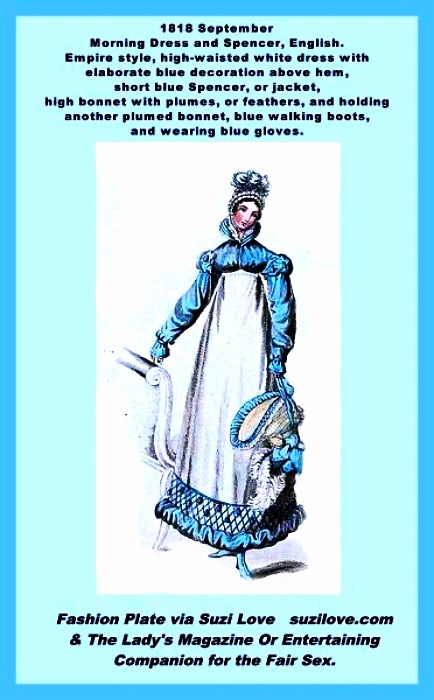
1818 September Morning Dress and Spencer, English. Empire style, high-waisted white dress with elaborate blue decoration above hem, short blue Spencer, or jacket, with puffs at the shoulders and straight sleeves, cap with plumes, or feathers, tied under her chin and holding another plumed bonnet, blue walking boots, and wearing blue gloves. Fashion Plate via Ladies Magazine.
Definition Empire Style Dress: High-waisted white gown defined women’s fashion during the Regency Era. ‘Empire’ is the name given to the period when Napoleon Bonaparte built his French Empire. High-waisted, loose gowns were adopted by the aristocracy as a symbol of turning away from the fussy, elaborate and expensive clothing worn in the 1700s.
Definition Spencer: Short jacket, cropped at the waist, worn over a dress, or gown. These close-fitting, tight sleeved, waist length jackets were modeled on a gentleman’s riding coat, but without tails. Delicate and regency dresses provided so little protection from the cold, so over garments were essential for warmth, modesty and good health.
Light-hearted look at Young Lady in Jane Austen’s times, or early 1800s. A glimpse into both the frivolous and more serious occupations filling a young lady’s day in the lifetime of Jane Austen, or the Regency Era, or the early 19th Century. Historic images and historical information show her fashions and frolics. https://books2read.com/suziloveYLD
Lady Rebecca Jamison ticked off numbers on the fingers of one revolting brown glove. “First, I’m not a thief. Second, I’m not a courtesan needing coin. Third, I’ve never been your mistress.” She looked down at her maid’s drab clothes, shuddered. “And if the women you’re taking to your bed dress this shabbily, I suggest you raise your standards.”
The Duke of Sherwyn drew several shuddering breaths. “Correct, on all counts. Now, appease my burning curiosity. What deception did you employ to hoodwink my servant?”
One shoulder lifted in the semblance of a shrug. “Oh, that! A child’s ploy. I laid coins on the fourth step and paid a street urchin to knock on your door and then run. When your gatekeeper bent to retrieve the coins, I slipped around the door and inside.”
Incredulity, then infuriation, surrendered to mirth. The simplicity of her ruse, alongside her detached style of recounting her deception, startled him into a snort of amusement.
“Huh! My ever-vigilant butler diverted by the sight of a few pennies.”
“Oh, no, not mere pennies. Gleaming new gold coins. Rest easy. Your servant’s momentary distraction cost me a high price.”
He lifted his hand to hide his smirk. Since he’d become Sherwyn, Jenner’s behavior vacillated between extreme formality due a duke or nose-lifting disdain owed to the family’s black sheep. This chink in Jenner’s polished armor pleased him.
He dipped his head, and said, “I bow to your finesse as a trickster. Now for my next pressing question. Why are you here?”
“I need your assistance.”
He grinned. “Ah, so once again your white knight is being asked to draw an imaginary sword and defend your ladyship’s honor.”
She groaned. “If only things were still as uncomplicated as in our childhood games.”
Four Times A Virgin: “Are you suffering some sort of aliment in your abdomen, Your Grace?” #RegencyRomance #HistoricalMystery #ReadARegency #HistoricalEroticRomancebooks2read.com/suziloveFTAV
1840s Opera Boots, British. Black leather with suede leg and silk bow, hand and machine sewn. via Victoria and Albert Museum, London, UK. collections.vam.ac.uk.
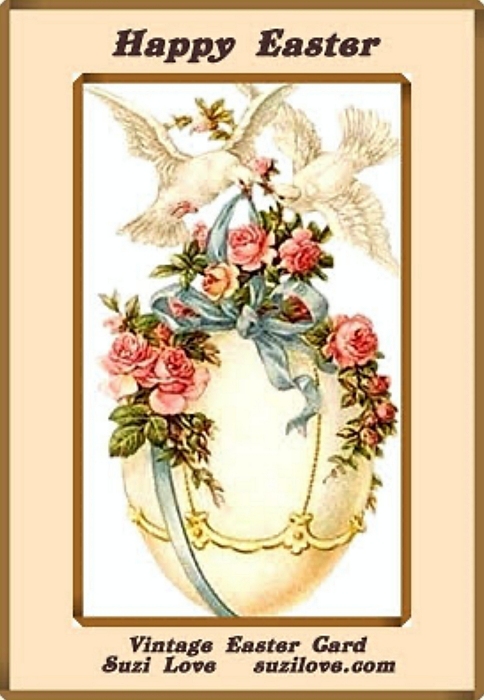
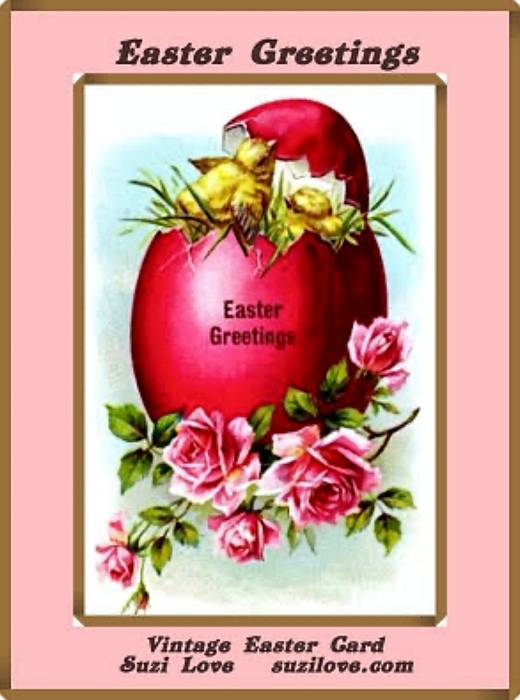
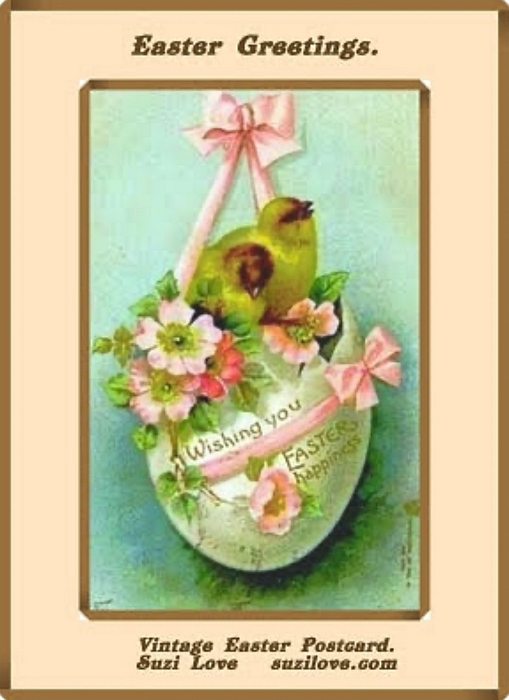
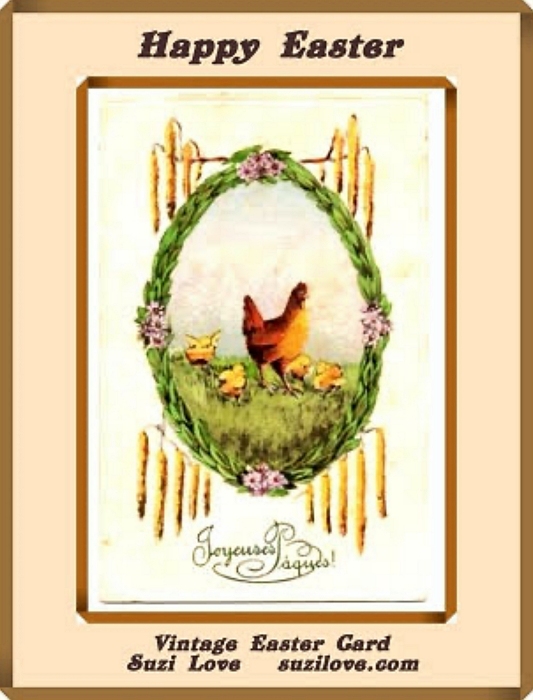
Ordinary people began to celebrate Easter by sending postcards as gifts. At first, mainly religious pictures appeared on postcards. Then postcards images became more about real life and people. In the early 1900s, postcards became more fanciful and pretty for young children. Religious images were gradually replaced by images that children could understand and relate to about Easter.
Postcards then concentrated on images of chickens and eggs, symbolic of birth and rebirth such as chickens emerging from cracked shells as Christ emerged from the tomb. Children were then added to the images so cards became for something for the whole family. Children with chickens and eggs became very popular on postcards. Bunny rabbits became associated with Easter and children could relate to these as it fitted with their idea of the Easter bunny.
Ellen Clapsaddle (1865 – 1934). An American illustrator from the late 19th and early 20th centuries and recognized as the most prolific postcard and greeting card artist of her time. Her greatest success was single-faced cards that could be kept as souvenirs or mailed as postcards. These cards were highly prized particularly during the peak of the golden age of souvenir postcards from 1898 to 1915. She is credited with over 1000 designs in post cards and souvenir cards. Cards in the mid 1900s were created to send personal Easter messages to loved ones such as mothers and fathers, grandparents, aunts and uncles and siblings. Artists from around the world began creating beautiful cards to share at Easter.
Jenny Eugenia Nyström (1854 – 1946) was a Swedish painter and illustrator who illustrated Easter postcards for, and about, children and happy ideas, especially European subjects.Jenny Nystrom (1884-1946)
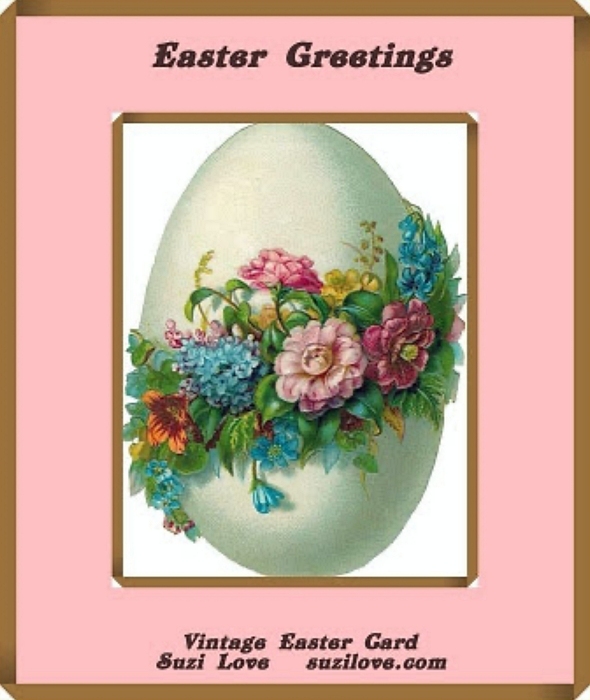
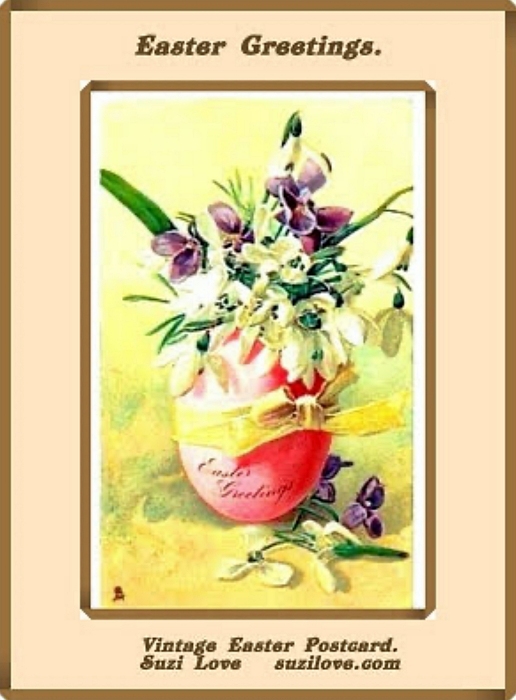
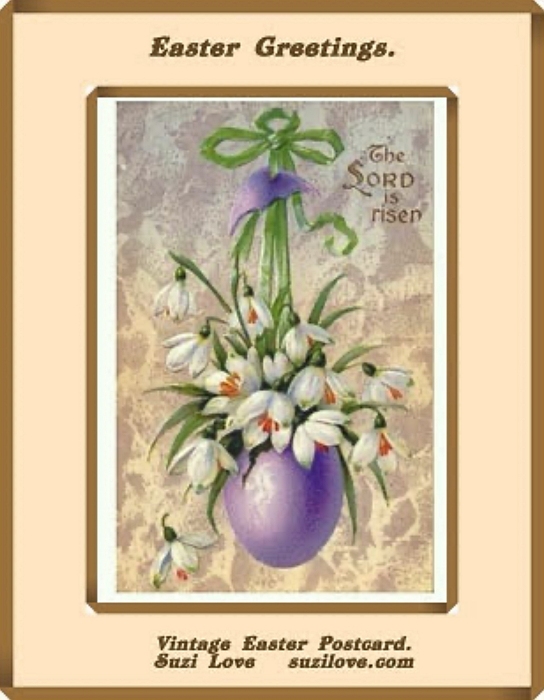
Egg With Flowers. Easter Greetings.
Suzi Love – suzilove.comEgg With Flowers. Easter Greetings.
Suzi Love – suzilove.comEgg With Flowers. Easter Greetings.
Suzi Love – suzilove.comEgg With Flowers. Easter Greetings.
Suzi Love – suzilove.comEgg With Flowers. Easter Greetings.
Suzi Love – suzilove.comEgg With Flowers. Easter Greetings.
Suzi Love – suzilove.comEgg With Flowers. Easter Greetings.
Suzi Love – suzilove.comEgg With Flowers. Easter Greetings.
Suzi Love – suzilove.comEaster Egg Vintage Cards. #Easter #Vintage #Cards. https://books2read.com/suziloveEaster Share on X
Pleasure House ball Book 3 Irresistible Aristocrats books2read.com/suzilovePHB.
Lady Lillian Armstrong’s mind raced, scrabbling for an excuse for being here. Shock held her captive. Her best friend stood behind her and he’d recognized her, despite the pains she and Maggie had taken with their enormous masks and gowns purchased from the dressmaker who designed flamboyant gowns for courtesans. Lord Mallory, Brenton, was the last person she’d expect to meet at a ball for procuring a mistress.
Maggie, her companion and procurer of ball invitations, had assured her that the majority of gentlemen attending tonight would be vetted acquaintances of Lord Browning’s. Gentlemen on the lookout for a new mistress, young men eager to exchange their quarterly allowances for a brief affair with a rising star in courtesan circles, or men with aspirations of wealth who hoped to afford a full time mistress in the next year or two.
Brenton didn’t fit any of those categories, or perhaps she was mistaken and he lived an entirely different life than the one she saw. He’d barely ventured ten miles from his estate in the past five or six years and preferred evenings at home with his daughter to roaming London’s streets with his peers, gambling at clubs, or getting drunk and visiting brothels. She lifted her fan to her face and waved air across her heated cheeks, not wanting her male admirers to notice her distress. Maggie had promised that all conversations and connections were incognito, so Lillian wouldn’t be recognized as the duke’s disgraced daughter, giving her an opportunity to let the repressed side of Lillian to fly free.
The last thing she needed was a serious conversation with Brent, or to have him criticize or interfere in the outrageous night she and her companion had planned. Maggie’s twelve months of wearing depressing black and pretending to grieve for a man who’d been cruel and abusive had almost destroyed her, so she’d urged Lillian to avoid her mistakes. Advised Lillian to avoid spending months in seclusion and under censure from ignorant family members. Urged Lillian to do something rash and abnormal. Something to clear her mind and soul of the stink of her husband’s infidelity, uncontrolled spending, and irrational actions.
1818 Brown Silk Dress, English. Regency Fashion. Empire style, high-waisted dress with long sleeves, and with dark brown velour trim on the square neckline and hem. via The Metropolitan Museum, New York City, USA. metmuseum.org
Definition Empire Style Dress: Named after the First Empire in France. Empire dresses had a low neckline and skirts started directly under the bust and flowed into the classical relaxed wide styles of Greece and Rome. This style of dress is associated with Jane Austen and her contemporaries as a high-waisted dress was worn most days. Cotton, silk or taffeta were the popular fabrics. Only the very wealthy could afford white dress in this style as the cottons were imported from India and had to be carefully cleaned, usually by a lady’s maid.
1818 Brown Silk Dress, English, As Worn By the Bridgertons. #Bridgerton #RegencyFashion #HistoricalFashion #metmuseum books2read.com/SuziLoveFashionWomen1815-1819 Share on X Fashion Women 1815-1819 History Notes Book 28
What did Jane Austen wear? This book looks at what was fashionable for women in the Georgian Era and at the end of the Regency Era in Britain and the reconstruction in Europe after the wars. Lifestyles were freer and fashions expressed this by becoming the focus of most women’s lives. A wardrobe full of opulent accessories was requisite. Includes mourning and riding fashion, dresses, hats, shoes, reticules or bags, underclothing, and fashion accessories.
D2D_HN_28_https://books2read.com/SuziLoveFashionWomen1815-1819