19th Century Mid Child’s Red Leather Shoes, American. Bow decoration on fronts.via Metropolitan Museum New York City, U.S.A. metmuseum.org

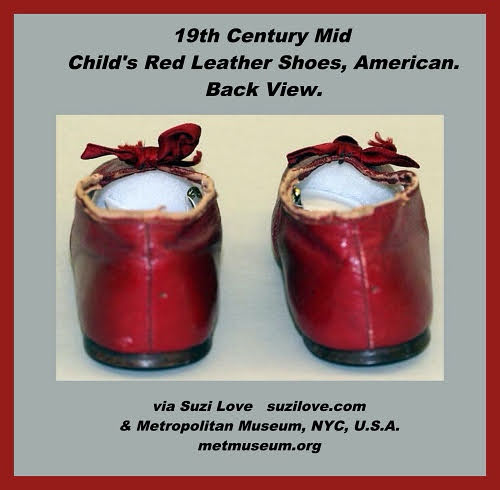


19th Century Mid Child’s Red Leather Shoes, American. Bow decoration on fronts.via Metropolitan Museum New York City, U.S.A. metmuseum.org
1812 August. Ball Dress, English. Dress with lower waistline than normal in the Empire period, pink laced bodice, with decorative sleeves, skirt with pink hem decoration, pink hat with pretty plume, and yellow gloves. Fashion Plate via John Belle’s ‘La Belle Assemblee’, London. https://books2read.com/SuziLoveFashion1810-1814

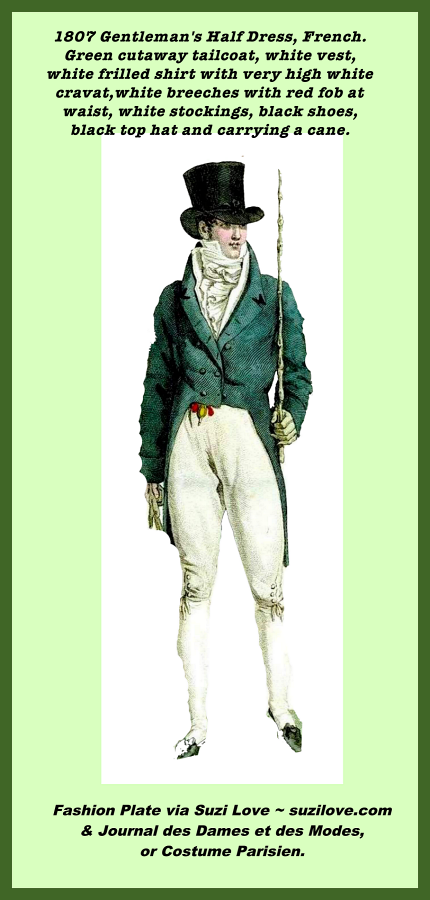
1807 Gentleman’s Half Dress, French. Green cutaway tailcoat, white vest, white frilled shirt with very high white cravat, white breeches with red fob at waist, white stockings, black shoes, black top hat and carrying a cane. Fashion Plate via Journal des Dames et des Modes, or Costume Parisien.
French fashions and Georgian and Regency Era fashions from Great Britain were copied around the world. This is the normal daily outfit for a gentleman in the early 1800s, or in the times of Jane Austen, for daily city and country life. https://books2read.com/SuziLoveFashionMen1800-1819

1812 Man’s Overcoat With Layered and Rounded Capes, French. Black breeches tied at the knees, white stockings, blue waistcoat, black shoes and carrying a bicorn, or two-cornered black hat. Fashion Plate via Journal des Dames et des Modes, Costume Parisien.
In the early 1800s, men no longer wore complicated styles and extravagant fabrics. Men’s fashion simplified and became more conservative. A well cut tailcoat, vest, pantaloons and an immaculate cravat of beautiful white linen in the style of George Bryan, or Beau, Brummell. Clothes were a status symbol and indicated a man’s social position. These clothing items were the sort worn by Jane Austen’s male family and friends.

From the finish of the 18th century until 1820, men’s fashions in European and European-influenced countries moved away from the formal wear of brocades, lace, wigs and powder to more informal and relaxed styles. Focus was on undress rather than formal dress. Typical menswear in the early 1800s included a tailcoat, a vest or waistcoat, either breeches, pants, or the newer trousers, stockings, shoes or boots, all worn with an overcoat and hat. This basic ensemble was accessorized with some form of neckcloth or cravat, gloves, walking stick, cane or riding crop, handkerchief, fobs, watch and perhaps a quizzing glass or eye glass.
Skirted coats were replaced with short-fronted, or cutaway, tailcoats worn over fitted waistcoats and plain, white linen shirts. Knee breeches were gradually replaced by tight-fitting pantaloons and later trousers, decorative shoes with buckles were replaced with a variety of boot styles, and fussy and ruffled neckwear gave way to intricately tied, white linen neck cloths. A Regency Era, or early 1800s, gentleman was outfitted in more practical fabrics, such as wool, cotton and buckskin rather than the fussy brocades and silks of the late 1700s.
1804 Men's Fashions In The Time Of Jane Austen. #Regency #Fashion #JaneAusten Share on X
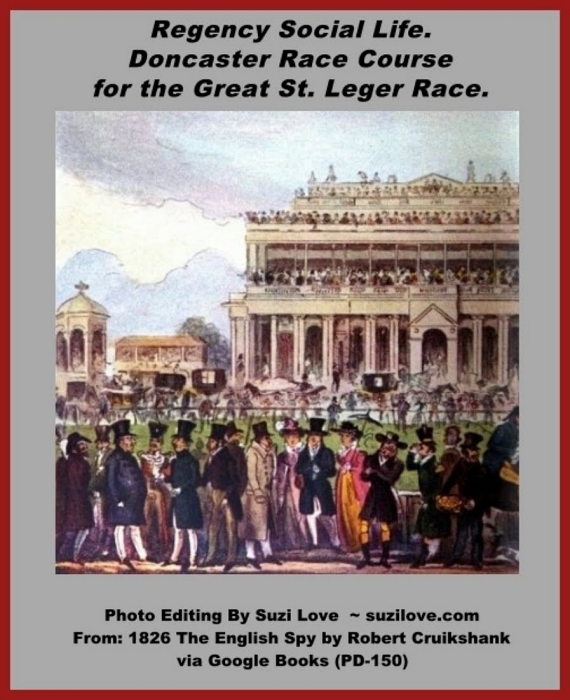
Regency Gentleman’s Sporting Life in the times of Jane Austen. By Robert Cruikshank via Google Books Races, bowls, sailing, fox hunting… all the sports enjoyed by people in Regency Era. From: 1826 The English Spy by Robert Cruikshank via Google Books (PD150)

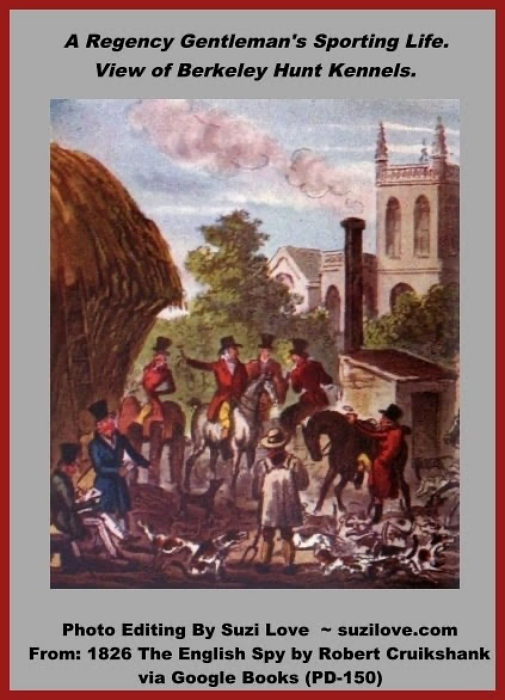
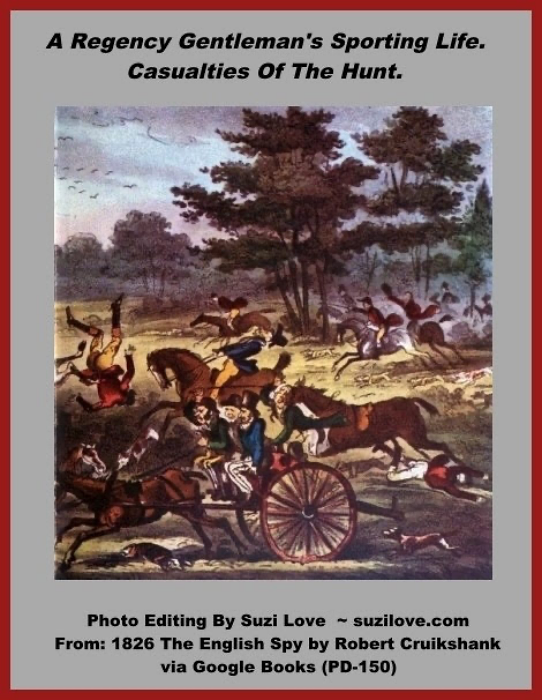
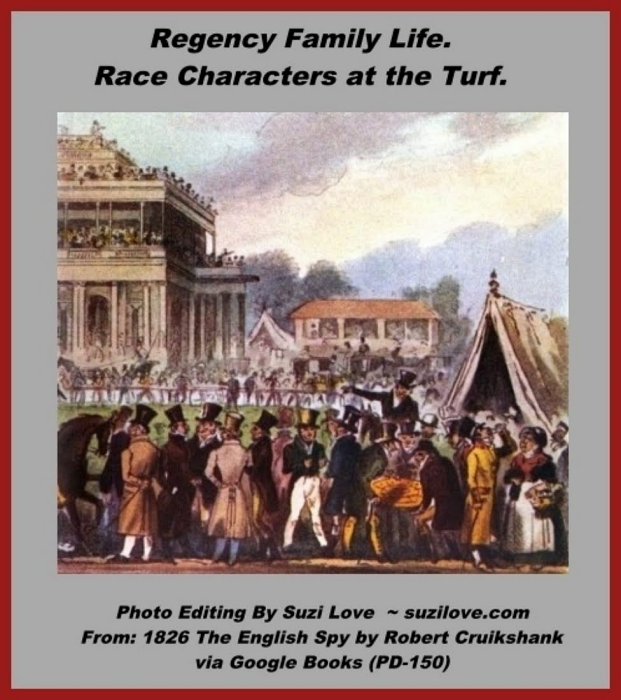

1811 White Dress, French. Worn under a white spotted tunic with yellow over dress with long sleeves. White gloves, shoes and hat with plume, or feathers, or aigrette. Fashion Plate via Journal des Dames et des Modes, or Costume Parisien. Even though this is a French fashion plate, Jane Austen and her contemporaries would have worn long coats like these to keep warm when out and about, visiting, shopping etc. The thin muslin dresses worn in the early 1800s were little protection against European winters so warmth and color was added by tunics and coats in a huge variety of styles.
Definition Aigret, aigrette, egret: Plume of feathers or jeweled ornament in shape of feathers worn on head or hats. During the early 19th century., or Jane Austen’s lifetime, the favorite feathers were osprey and heron.


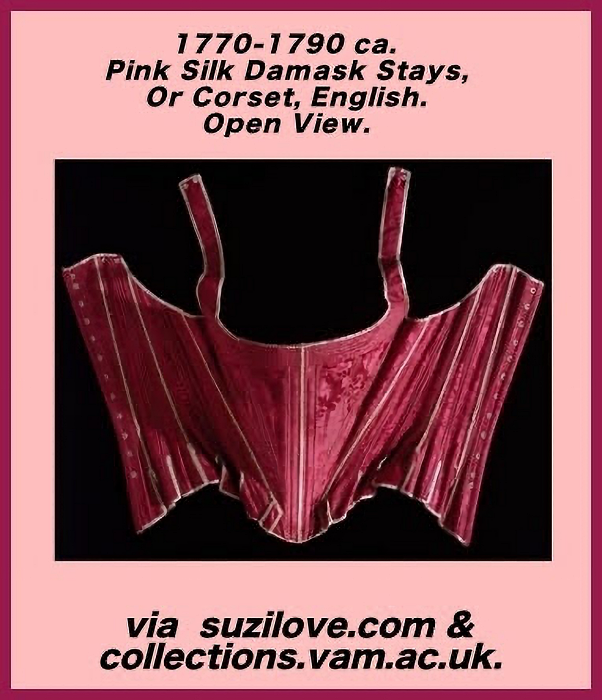
1770-1790 ca. Stays, or Corset, English. Pink silk damask, lined with linen, reinforced with whalebone, fingers spread over hips. via Victoria and Albert Museum, London, UK. collections.vam.ac.uk. https://books2read.com/SuziLoveCorsetBook15




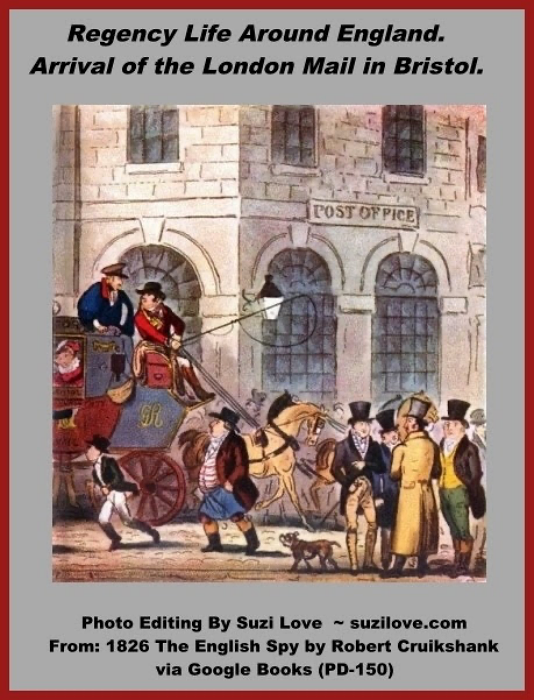
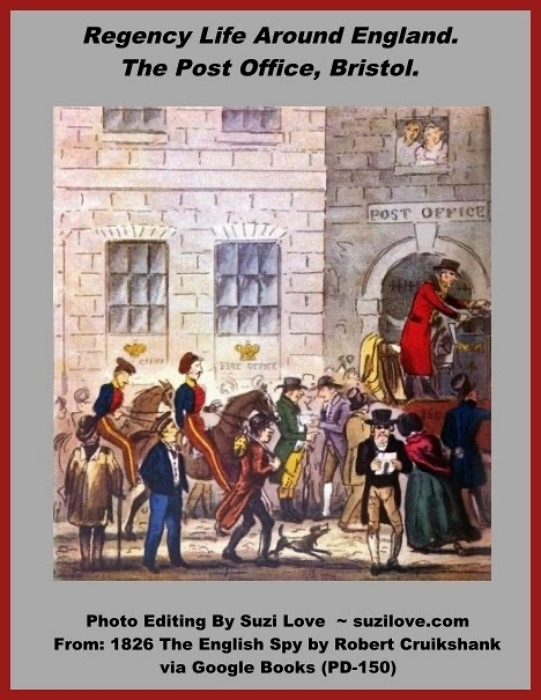
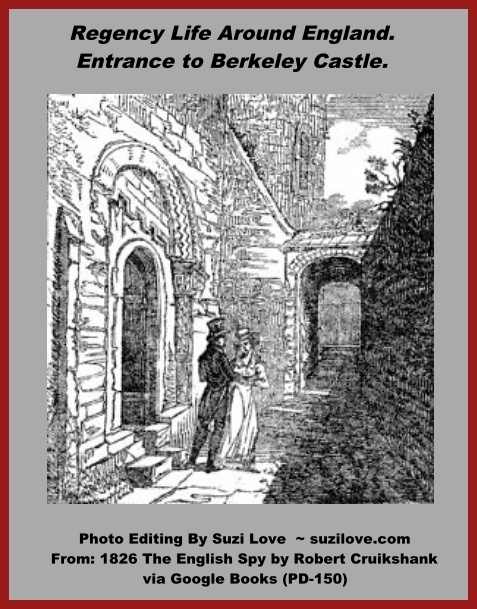
1826 Sights Jane Austen Saw Around Regency England. 1826 From Regency Life Around England. The sights that Jane Austen and her friends and family would have seen around England. via 1826 The English Spy By Robert Cruikshank via Google Books (PD-150)







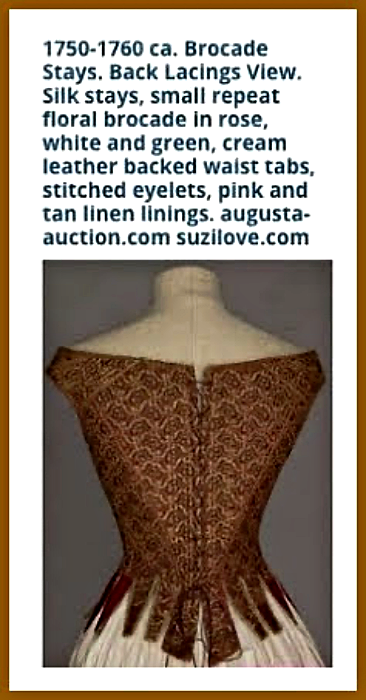
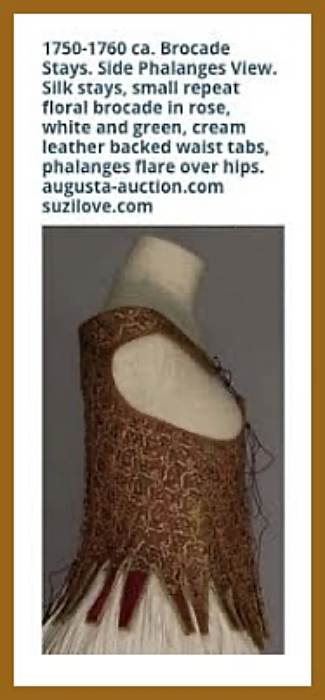
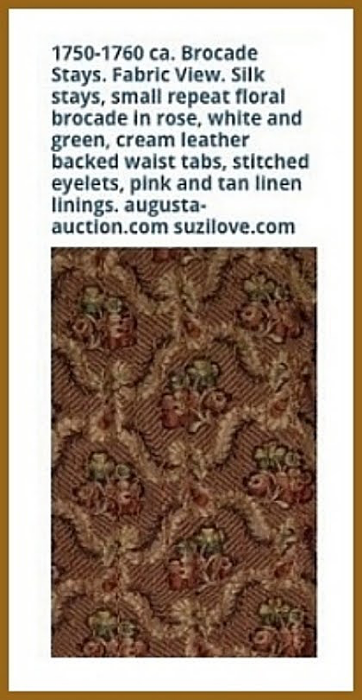
These silk stays have a small repeat floral brocade in rose, white, and green. There are cream, leather-backed waist tabs, stitched eyelets, and pink and tan linings. These stays, or corset, are unusual because they have both front and back lacings. This means that a lady could step in and out of her stays and then tighten the front lacing herself, thereby eliminating the need for assistance from a maid or dresser.
Women of the middle and lower classes needed to be able to dress themselves as they have no one to assist in tightening their lacings when they dressed. Most upper class ladies would be able to call upon a maid to help and would therefore generally use back lacing stays.


“The more I know of the world the more I am convinced that I shall never see a man whom I can really love. I require so much!” Jane Austen ~ Sense and Sensibility (1811)


