1808 Richard Trevithick’s Steam Circus, Bloomsbury, London, U.K. Site where Trevithick ran his locomotive ‘Catch Me Who Can’. Trevithick wanted to prove that traveling by train was faster than on horseback. Locomotive ran at top speed of 19 km per hour and people paid a shilling to sit in an attached car and be pulled around. Via Wikimedia Commons commons.wikimedia.org (PD-ART) This was the start of the railway expansions across England in Jane Austen’s time.
1808 Richard Trevithick’s Steam Circus, Bloomsbury, London, U.K. Site where Trevithick ran his locomotive ‘Catch Me Who Can’. Trevithick wanted to prove that traveling by train was faster than on horseback. Locomotive ran at top speed of 19 km per hour and people paid a shilling to sit in an attached car and be pulled around. Via Wikimedia Commons commons.wikimedia.org (PD-ART)
D2D_RetailerBuyLink_HN_10.books2read.com/SuziLoveTravel
What was fashionable outdoor wear for Jane Austen and contemporaries? Reticules, Spencers, and Pelisses, or Walking Dresses, Or Redingotes. History Notes Books 3, 4, and 5 By Suzi Love.
What sort of coats did women wear during the Regency years? them what you like: Coat, Pelisse, Redingote, Walking Dress, Promenade Dress. Take a look at what was being worn by women, men, and children. books2read.com/suzilovePelisse
HN_5_What was fashionable for outer wear in past centuries? Different names in different countries- Pelisse, Redingote, Or Walking Dress. #Regency #Fashion #History books2read.com:suzilovePelisse
1800s French Palais Royal Sewing Box and Twelve Mother of Pearl Enamel Tools. This is the style of sewing box Jane Austen and her family would have used in the early 1800s, or Regency years. via via suzilove.com and 1st Dibs Auctions 1stdibs.com
Definition: Palais Royal: Name of an area around the Royal Palace in Paris, France, that specialized in making small and exquisite works of art during the 18th and 19th centuries. Palais Royal sewing tools were elaborate and usually feature mother-of-pearl, often intricately carved or engraved. During the 19th century, workboxes were often works of art with engravings, carvings, mother-of-pearl, and elaborate gilt metal mounts. Most popular were scissors with steel blades and gilt mounts, thimbles and needle cases which were often shaped like animals or other natural forms. Workmanship was exceptional and the tools almost too fragile to use.
1800s French Palais Royal Sewing Box and Twelve Mother of Pearl Enamel Tools. via via suzilove.com and 1st Dibs Auctions 1stdibs.comHN_11_D2D_Craftsmen created containers of precious metals, leather, silks, and decorated them with jewels to make exquisite and expensive items as well as practical carrying cases. books2read.com/suziloveBoxesCases
Early 1800s Typical Regency Couple in a Curricle. The sort of vehicle Jane Austen and her contemporaries would have driven in. Young men loved them and occasionally women drove them.
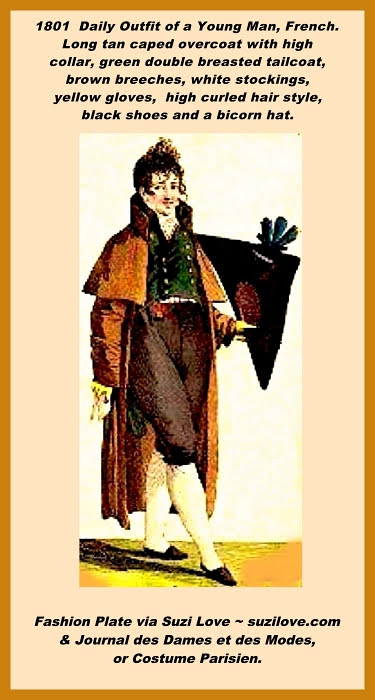
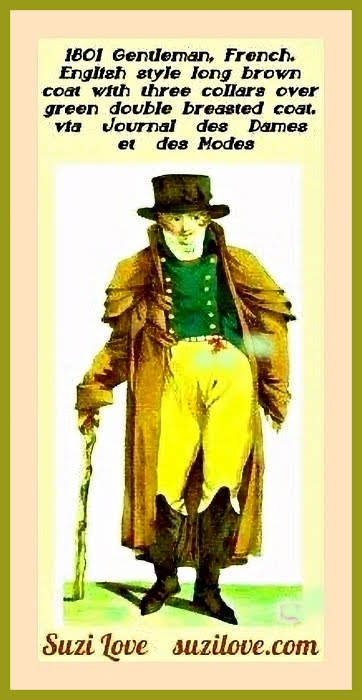
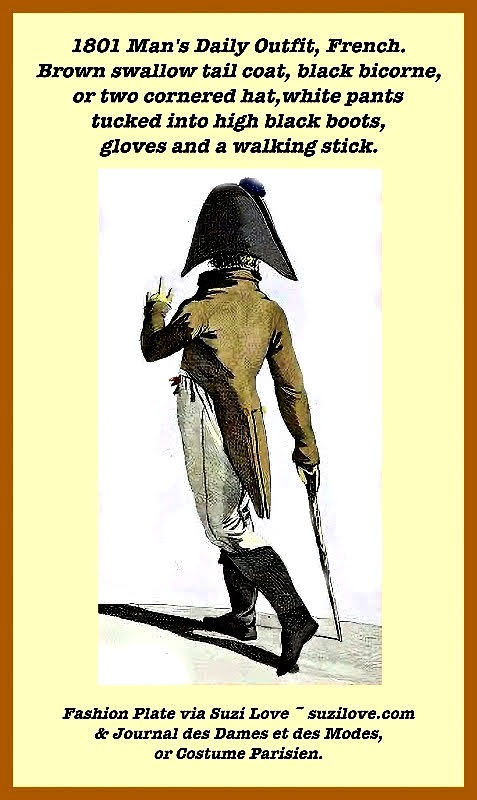
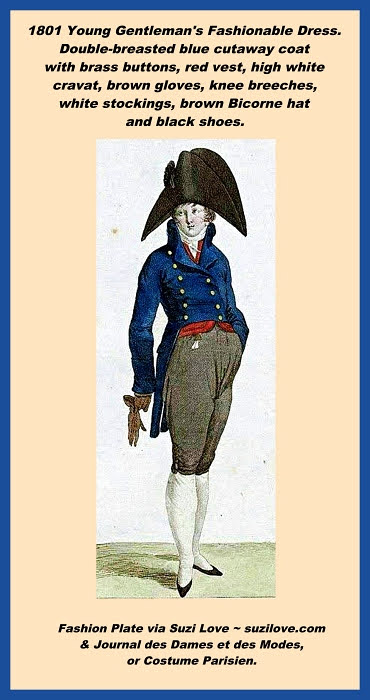
1801 Typical Gentlemen’s Fashions for the early 1800s, or Regency Era, or Jane Austen’s times. Fashion Plates via Journal des Dames et des Modes, Costume Parisien.
Typical menswear in the early 1800s included a tailcoat, a vest or waistcoat, either breeches, pants, or the newer trousers, stockings, shoes or boots, all worn with an overcoat and hat. This basic ensemble was accessorized with some form of neckcloth or cravat, gloves, a walking stick, cane or riding crop, handkerchief, fobs, a watch and perhaps a quizzing glass or eye glass.
From the finish of the 18th century until 1820, men’s fashions in European and European-influenced countries moved away from the formal wear of brocades, lace, wigs and powder to more informal and relaxed styles. Focus was on undress rather than formal dress. Typical menswear in the early 1800s included a tailcoat, a vest or waistcoat, either breeches, pants, or the newer trousers, stockings, shoes or boots, all worn with an overcoat and hat. This basic ensemble was accessorized with some form of neckcloth or cravat, gloves, walking stick, cane or riding crop, handkerchief, fobs, watch and perhaps a quizzing glass or eye glass.
Skirted coats were replaced with short-fronted, or cutaway, tailcoats worn over fitted waistcoats and plain, white linen shirts. Knee breeches were gradually replaced by tight-fitting pantaloons and later trousers, decorative shoes with buckles were replaced with a variety of boot styles, and fussy and ruffled neckwear gave way to intricately tied, white linen neck cloths. A Regency Era, or early 1800s, gentleman was outfitted in more practical fabrics, such as wool, cotton and buckskin rather than the fussy brocades and silks of the late 1700s.
1802 Typical Gentlemen’s Fashions worn during the early 1800s, or Regency Era, or Jane Austen’s times. Fashion Plates via Journal des Dames et des Modes, Costume Parisien.
Regency Menswear: Typical menswear in the early 1800s included a tailcoat, a vest or waistcoat, either breeches, pants, or the newer trousers, stockings, shoes or boots, all worn with an overcoat and hat. This basic ensemble was accessorized with some form of neckcloth or cravat, gloves, a walking stick, cane or riding crop, handkerchief, fobs, a watch and perhaps a quizzing glass or eye glass.
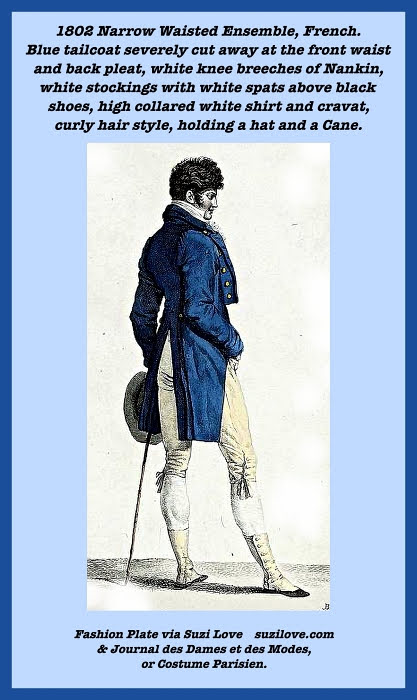
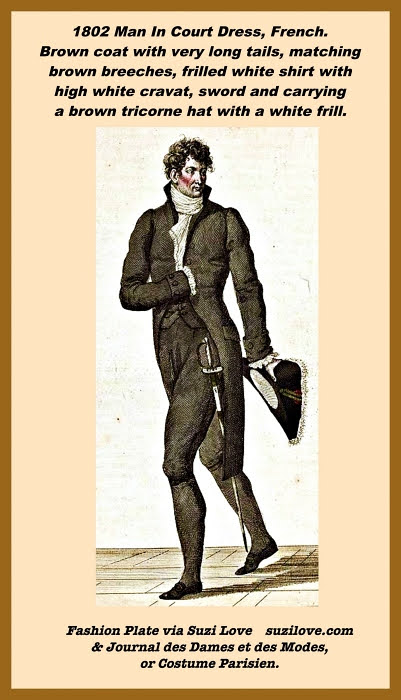
1802 Young French Man. Brown cutaway coat, calf length pants, frilled white shirt and cravat.1802 Narrow Waisted Ensemble, French. Blue tailcoat severely cut away at front waist and back pleat, white knee breeches of Nankin.1802 Man In Court Dress, French. Brown coat with very long tails, matching brown breeches.
From the finish of the 18th century until 1820, men’s fashions in European and European-influenced countries moved away from the formal wear of brocades, lace, wigs and powder to more informal and relaxed styles. Focus was on undress rather than formal dress. Typical menswear in the early 1800s included a tailcoat, a vest or waistcoat, either breeches, pants, or the newer trousers, stockings, shoes or boots, all worn with an overcoat and hat. This basic ensemble was accessorized with some form of neckcloth or cravat, gloves, walking stick, cane or riding crop, handkerchief, fobs, watch and perhaps a quizzing glass or eye glass.
Skirted coats were replaced with short-fronted, or cutaway, tailcoats worn over fitted waistcoats and plain, white linen shirts. Knee breeches were gradually replaced by tight-fitting pantaloons and later trousers, decorative shoes with buckles were replaced with a variety of boot styles, and fussy and ruffled neckwear gave way to intricately tied, white linen neck cloths. A Regency Era, or early 1800s, gentleman was outfitted in more practical fabrics, such as wool, cotton and buckskin rather than the fussy brocades and silks of the late 1700s.
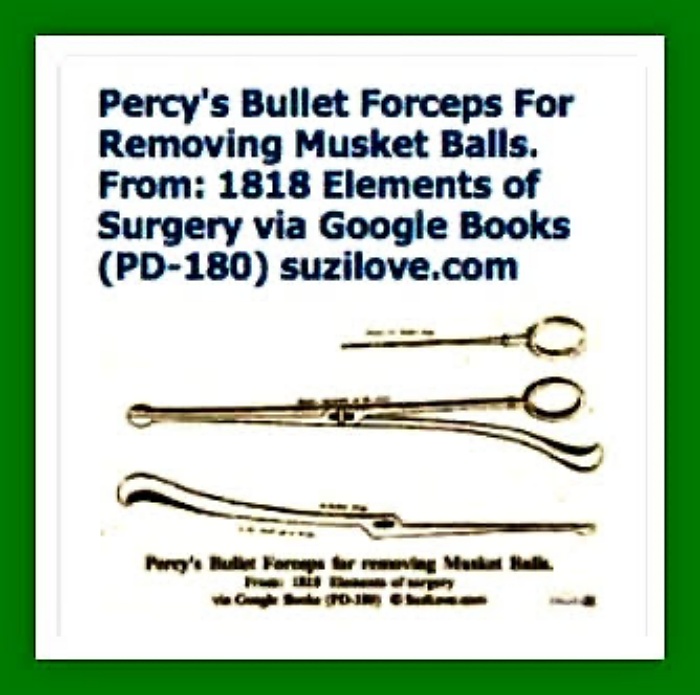
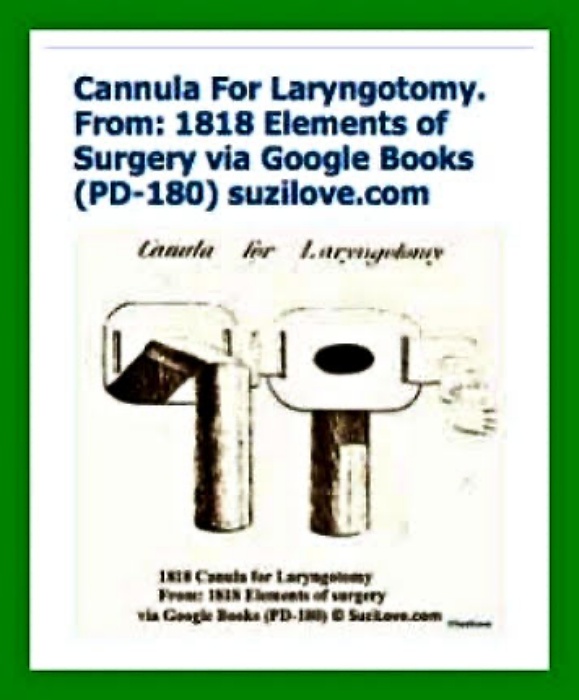
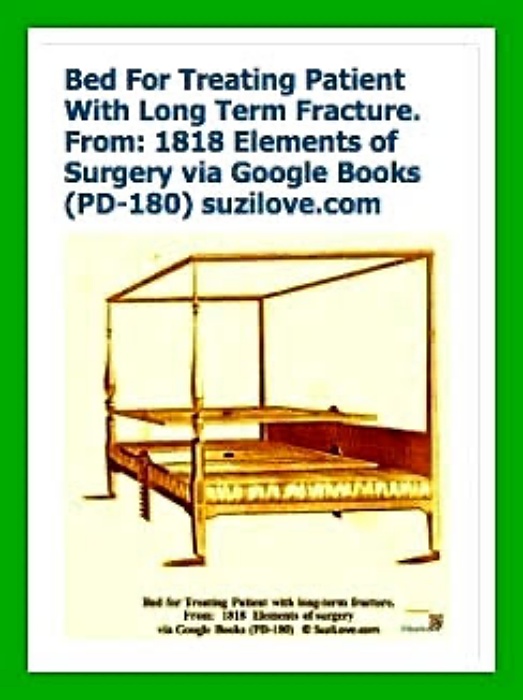
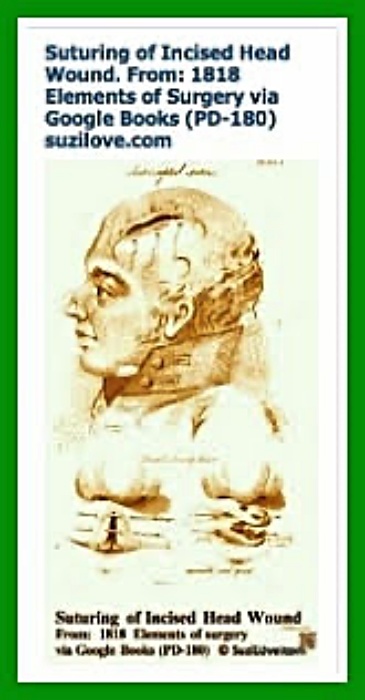
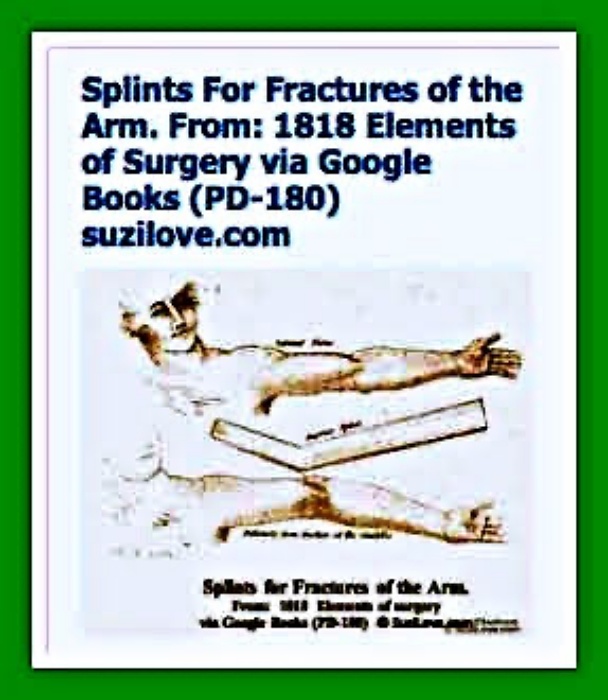
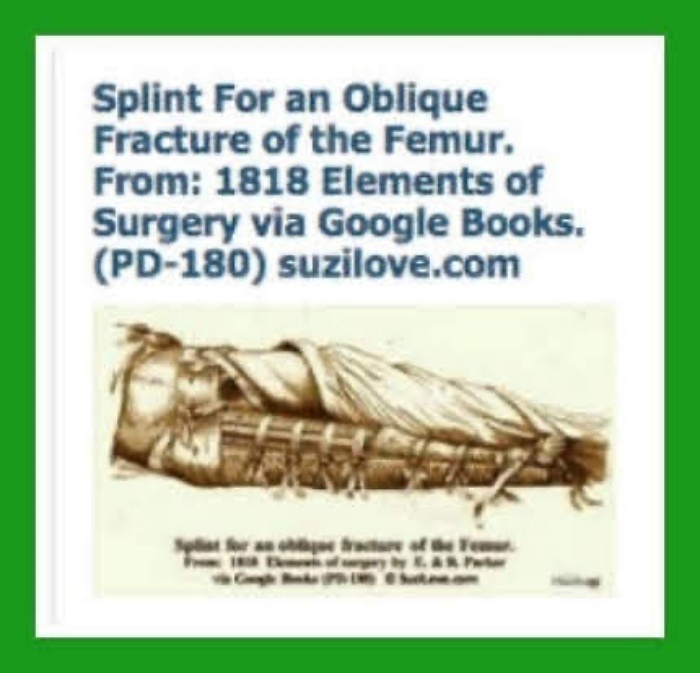
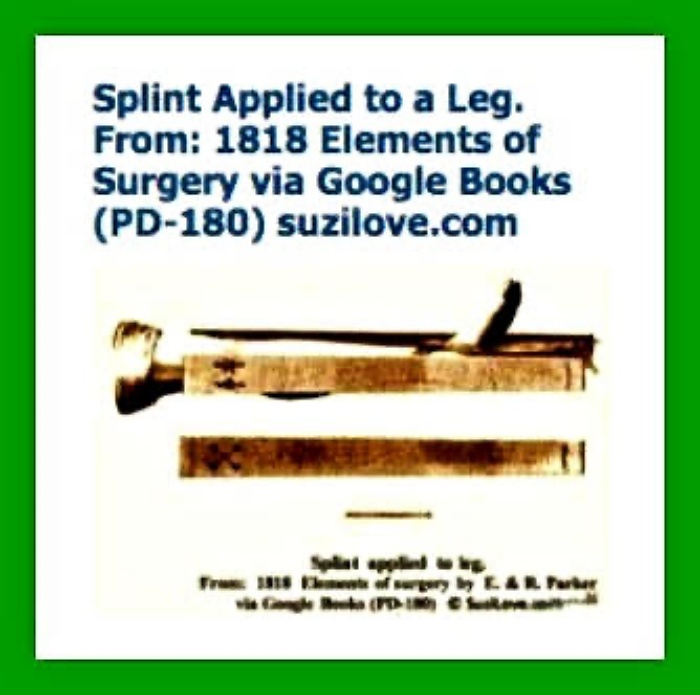
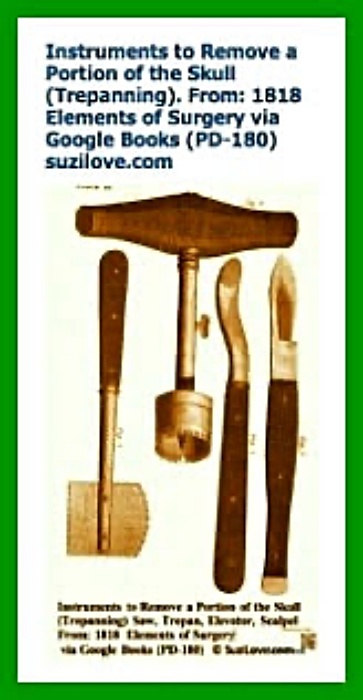
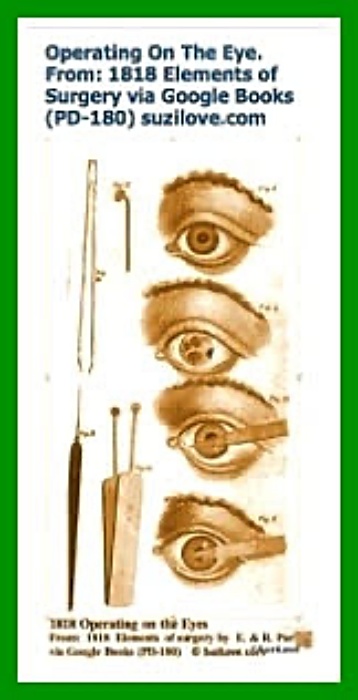
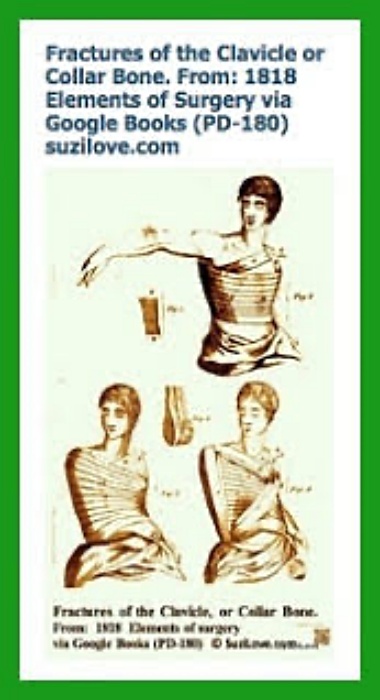
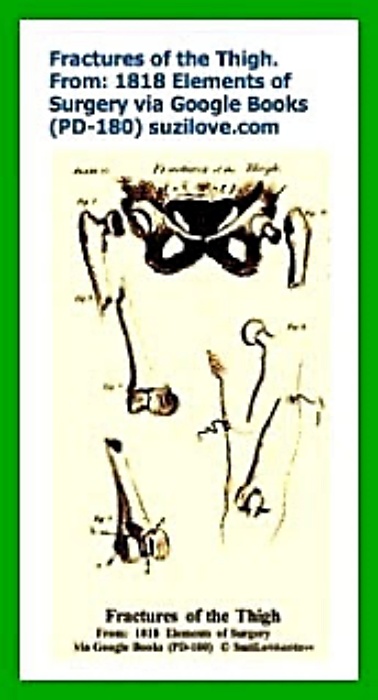
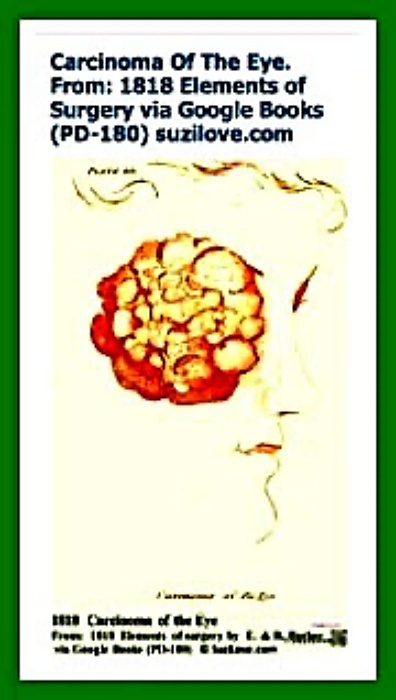
Medical History. Images from historical surgery and hospital treatments after surgery. 1818 Elements of Surgery. Via Google Books (PD-200) All these images can be found on my Pinterest board for History – Medical. In Jane Austen’s times, medical problems were mainly dealt with in the home. A surgeon or apothecary might be called but the care of the patient and administering medications and treatments was the family’s responsibility, possibly with the help of servants.
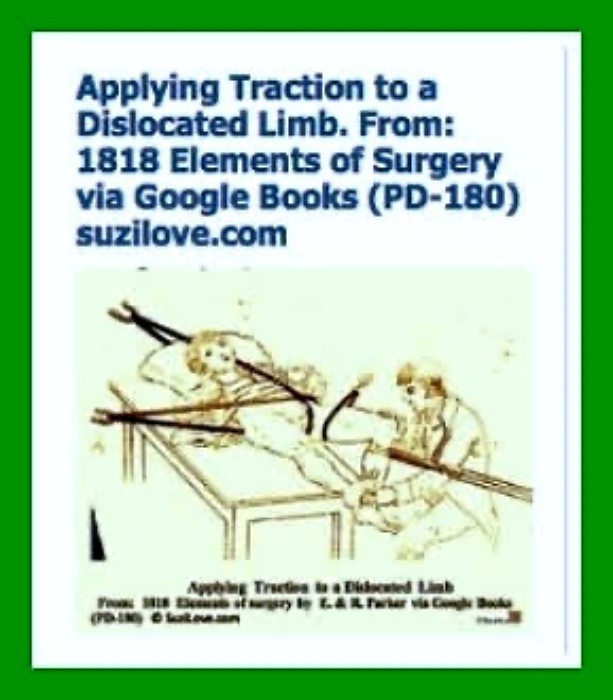
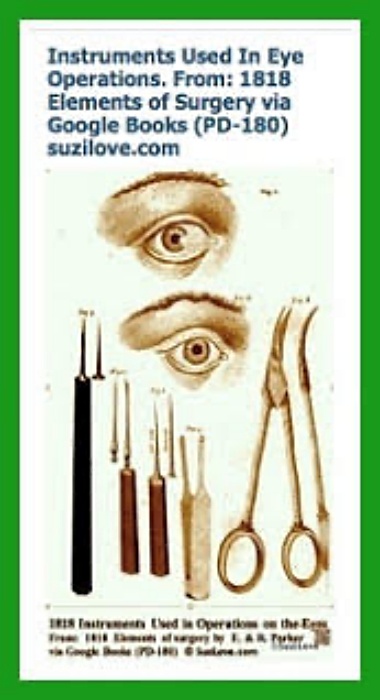
1818 Applying Traction to a Dislocated Limb.1818 Elements of Surgery By John Syng Dorsey. via Google Books (PD-150) 1818 Instruments Used In Eye Operations. 1818 Elements of Surgery By John Syng Dorsey. via Google Books (PD-150) 1818 Percy’s Bullet Forceps For Removing Musket Balls. 1818 Elements of Surgery By John Syng Dorsey. via Google Books (PD-150) 1818 Cannula For Laryngotomy. . 1818 Elements of Surgery By John Syng Dorsey. via Google Books (PD-150) 1818 Bed For Treating Patient with Long Term Fracture. 1818 Elements of Surgery By John Syng Dorsey. via Google Books (PD-150)1818 Suturing Of Incised Head Wound. 1818 Elements of Surgery By John Syng Dorsey. via Google Books (PD-150) 1818 Splints For Fractures of the Arm. 1818 Elements of Surgery By John Syng Dorsey. via Google Books (PD-150) 1818 Splint For an Oblique Fracture of the Femur. 1818 Elements of Surgery By John Syng Dorsey. via Google Books (PD-150) 1818 Splint Applied To A Leg. 1818 Elements of Surgery By John Syng Dorsey. via Google Books (PD-150) 1818 Local remedies For Treating Inflammation. 1818 Elements of Surgery By John Syng Dorsey. via Google Books (PD-150) 1818 Cold Applications. 1818 Elements of Surgery By John Syng Dorsey. via Google Books (PD-150) 1818 Instruments To Remove a Portion Of The Skull (Trepanning). 1818 Elements of Surgery By John Syng Dorsey. via Google Books (PD-150) 1818 Instruments For Operating On The Eye. 1818 Elements of Surgery By John Syng Dorsey. via Google Books (PD-150) 1818 Fractures Of The Clavicle Or Collar Bone. 1818 Elements of Surgery By John Syng Dorsey. via Google Books (PD-150) 1818 Fractures Of The Thigh. 1818 Elements of Surgery By John Syng Dorsey. via Google Books (PD-150) 1818 Elements of Surgery By John Syng Dorsey. via Google Books (PD_150)1818 Carcinoma Of The Eye. 1818 Elements of Surgery By John Syng Dorsey. via Google Books (PD-150)