1840s Opera Boots, British. Black leather with suede leg and silk bow, hand and machine sewn. via
Victoria and Albert Museum, London, UK. collections.vam.ac.uk.



1840s Opera Boots, British. Black leather with suede leg and silk bow, hand and machine sewn. via
Victoria and Albert Museum, London, UK. collections.vam.ac.uk.
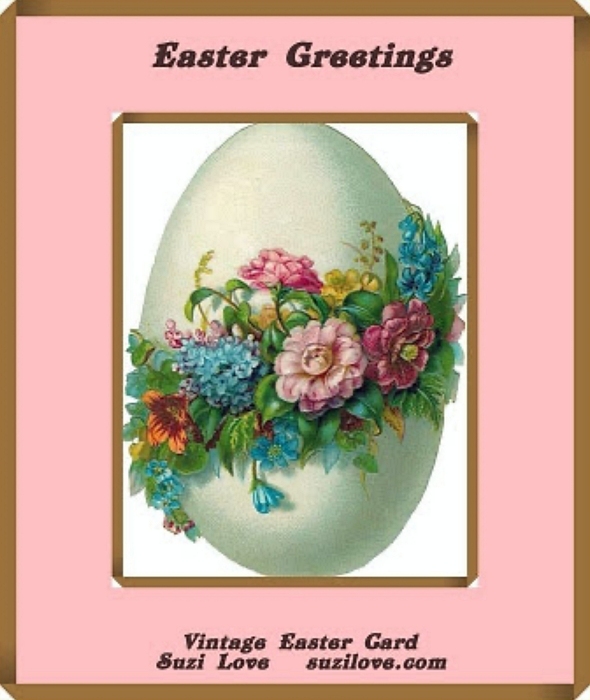
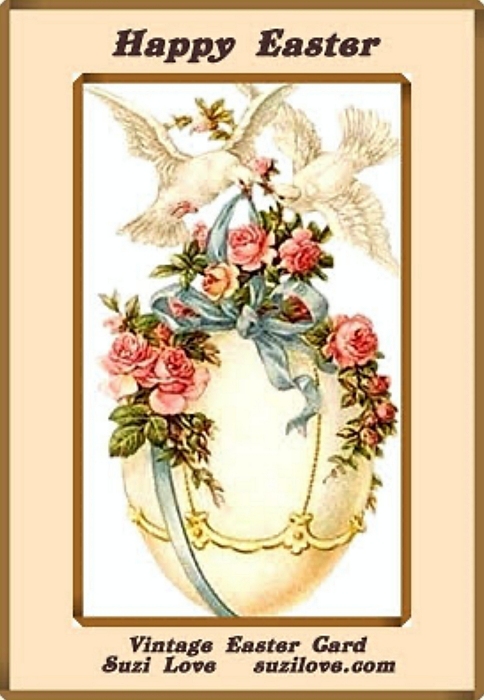
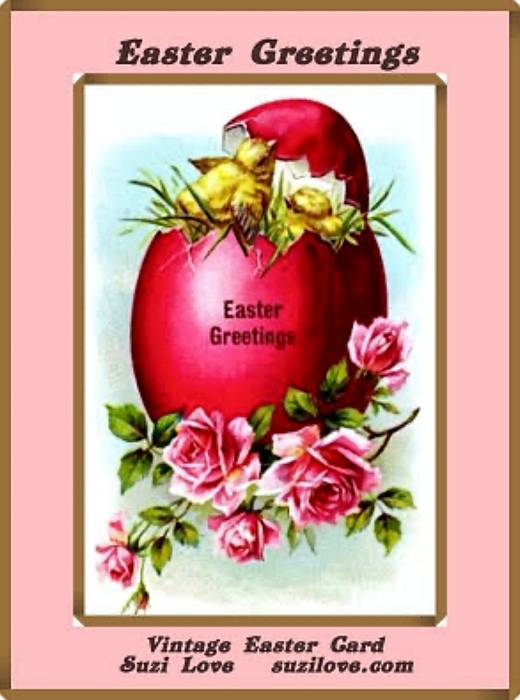
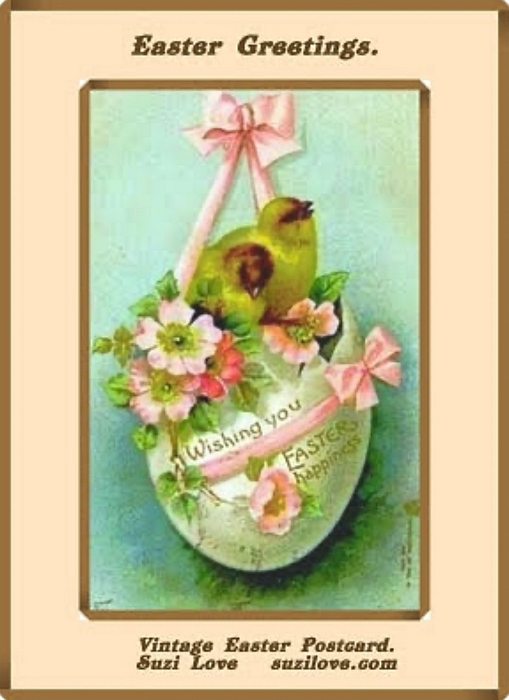
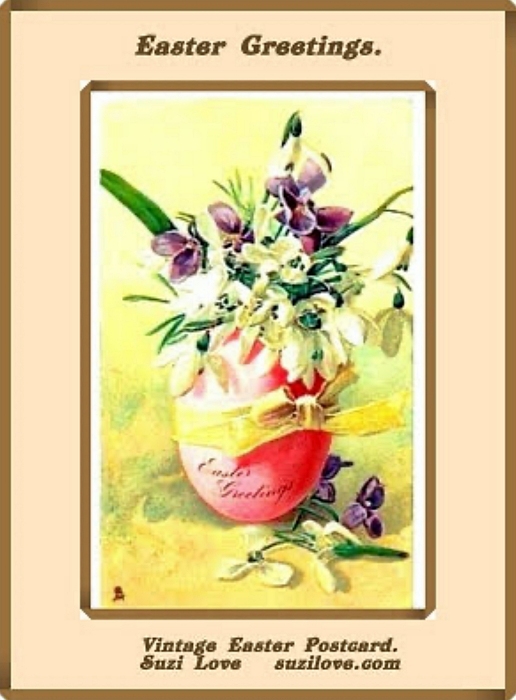
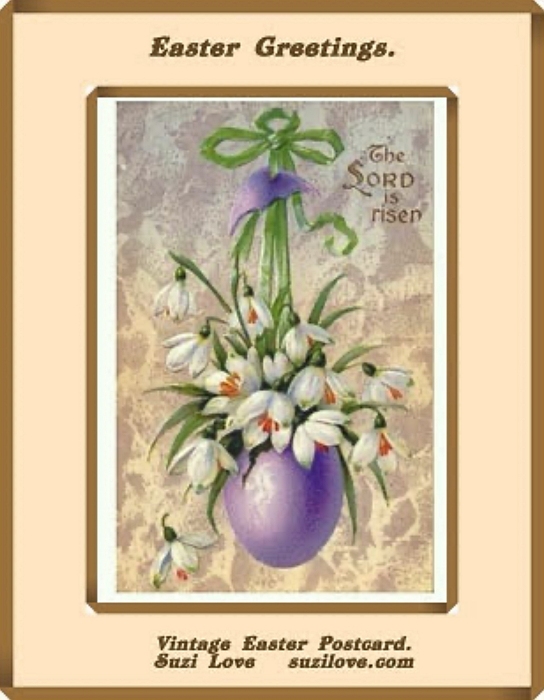
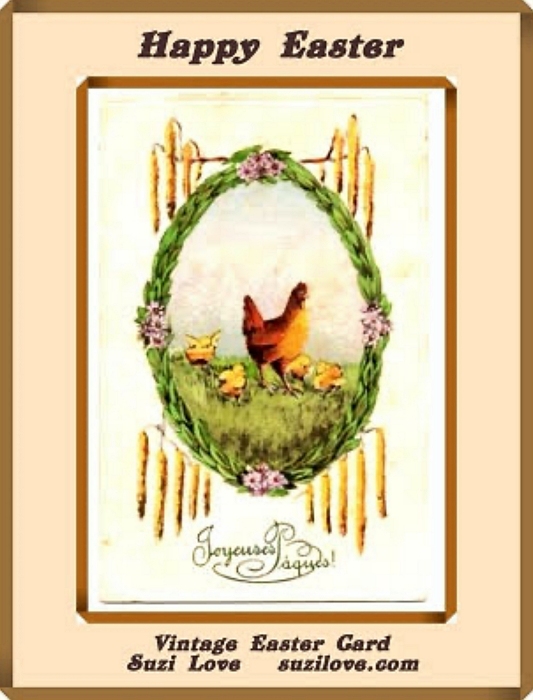
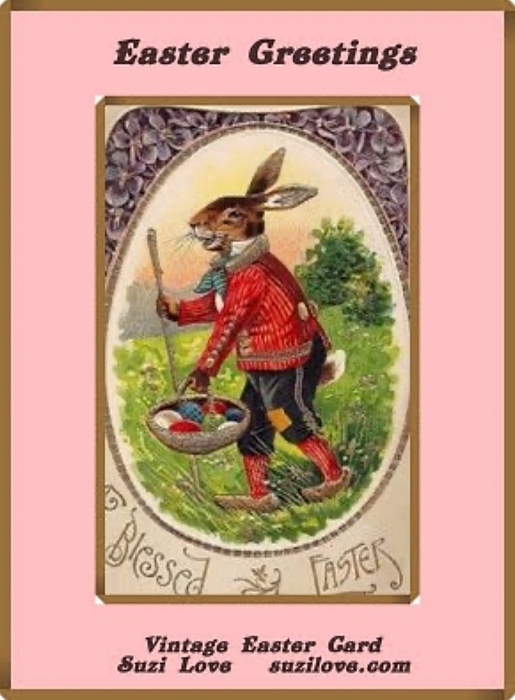
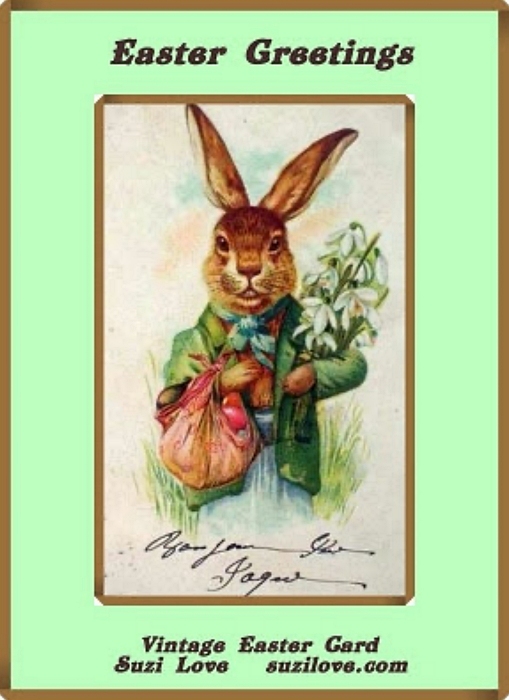
Ordinary people began to celebrate Easter by sending postcards as gifts. At first, mainly religious pictures appeared on postcards. Then postcards images became more about real life and people. In the early 1900s, postcards became more fanciful and pretty for young children. Religious images were gradually replaced by images that children could understand and relate to about Easter.
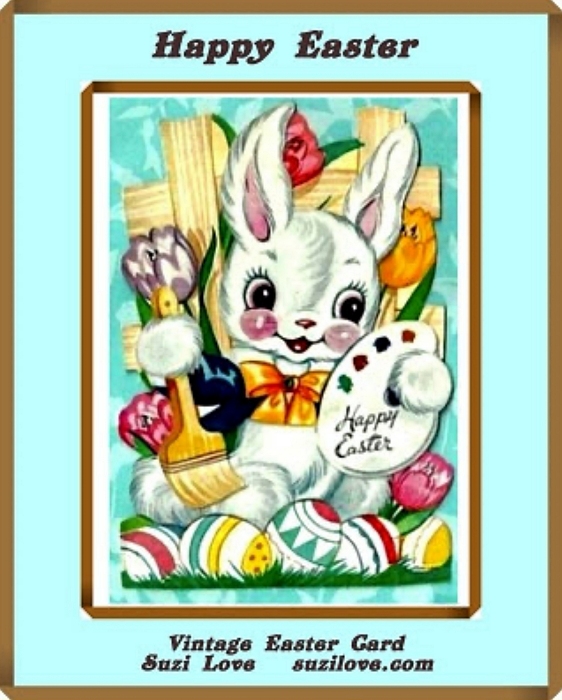
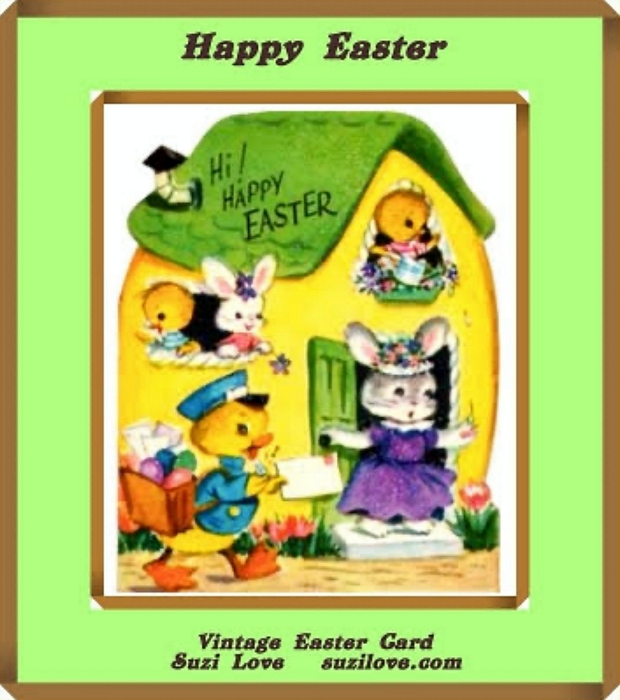
Postcards then concentrated on images of chickens and eggs, symbolic of birth and rebirth such as chickens emerging from cracked shells as Christ emerged from the tomb. Children were then added to the images so cards became for something for the whole family. Children with chickens and eggs became very popular on postcards. Bunny rabbits became associated with Easter and children could relate to these as it fitted with their idea of the Easter bunny.
Ellen Clapsaddle (1865 – 1934). An American illustrator from the late 19th and early 20th centuries and recognized as the most prolific postcard and greeting card artist of her time. Her greatest success was single-faced cards that could be kept as souvenirs or mailed as postcards. These cards were highly prized particularly during the peak of the golden age of souvenir postcards from 1898 to 1915. She is credited with over 1000 designs in post cards and souvenir cards. Cards in the mid 1900s were created to send personal Easter messages to loved ones such as mothers and fathers, grandparents, aunts and uncles and siblings. Artists from around the world began creating beautiful cards to share at Easter.
Jenny Eugenia Nyström (1854 – 1946) was a Swedish painter and illustrator who illustrated Easter postcards for, and about, children and happy ideas, especially European subjects.Jenny Nystrom (1884-1946)


Pleasure House ball Book 3 Irresistible Aristocrats books2read.com/suzilovePHB.
Lady Lillian Armstrong’s mind raced, scrabbling for an excuse for being here. Shock held her captive. Her best friend stood behind her and he’d recognized her, despite the pains she and Maggie had taken with their enormous masks and gowns purchased from the dressmaker who designed flamboyant gowns for courtesans. Lord Mallory, Brenton, was the last person she’d expect to meet at a ball for procuring a mistress.
Maggie, her companion and procurer of ball invitations, had assured her that the majority of gentlemen attending tonight would be vetted acquaintances of Lord Browning’s. Gentlemen on the lookout for a new mistress, young men eager to exchange their quarterly allowances for a brief affair with a rising star in courtesan circles, or men with aspirations of wealth who hoped to afford a full time mistress in the next year or two.
Brenton didn’t fit any of those categories, or perhaps she was mistaken and he lived an entirely different life than the one she saw. He’d barely ventured ten miles from his estate in the past five or six years and preferred evenings at home with his daughter to roaming London’s streets with his peers, gambling at clubs, or getting drunk and visiting brothels. She lifted her fan to her face and waved air across her heated cheeks, not wanting her male admirers to notice her distress. Maggie had promised that all conversations and connections were incognito, so Lillian wouldn’t be recognized as the duke’s disgraced daughter, giving her an opportunity to let the repressed side of Lillian to fly free.
The last thing she needed was a serious conversation with Brent, or to have him criticize or interfere in the outrageous night she and her companion had planned. Maggie’s twelve months of wearing depressing black and pretending to grieve for a man who’d been cruel and abusive had almost destroyed her, so she’d urged Lillian to avoid her mistakes. Advised Lillian to avoid spending months in seclusion and under censure from ignorant family members. Urged Lillian to do something rash and abnormal. Something to clear her mind and soul of the stink of her husband’s infidelity, uncontrolled spending, and irrational actions.
Pleasure House ball Book 3 Irresistible Aristocrats books2read.com/suzilovePHB.


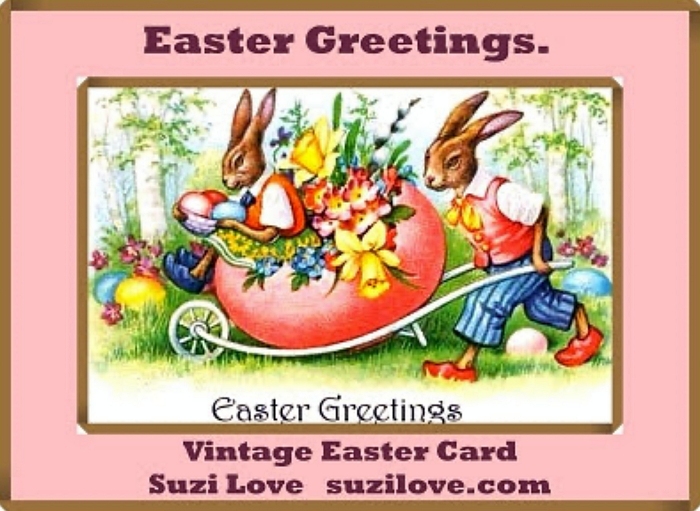
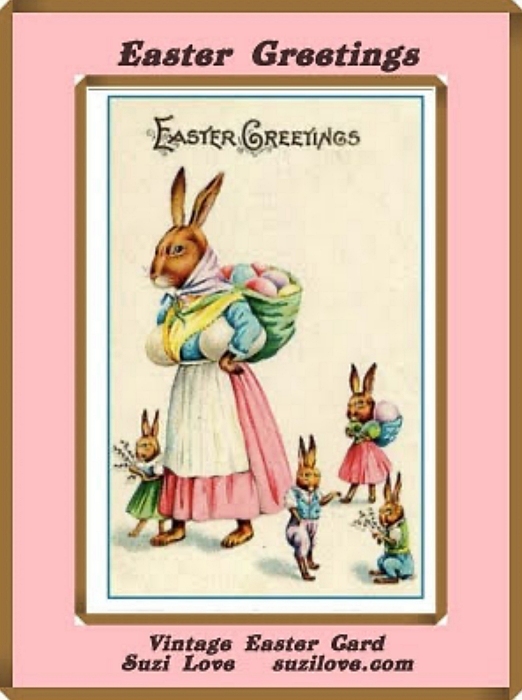
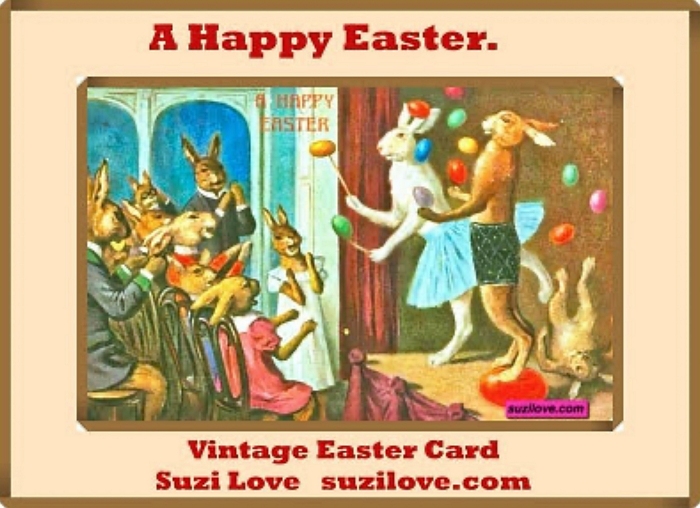
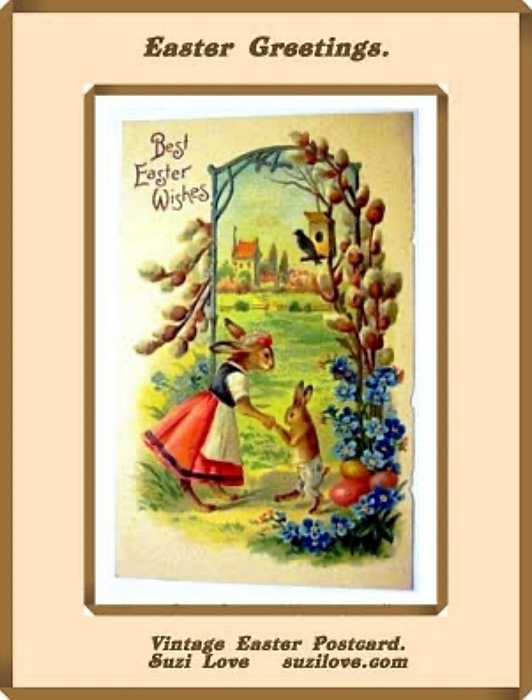
Vintage Bunny Easter Cards. Suzi Love – suzilove.com









1818 Brown Silk Dress, English. Regency Fashion. Empire style, high-waisted dress with long sleeves, and with dark brown velour trim on the square neckline and hem. via The Metropolitan Museum, New York City, USA. metmuseum.org
Definition Empire Style Dress: Named after the First Empire in France. Empire dresses had a low neckline and skirts started directly under the bust and flowed into the classical relaxed wide styles of Greece and Rome. This style of dress is associated with Jane Austen and her contemporaries as a high-waisted dress was worn most days. Cotton, silk or taffeta were the popular fabrics. Only the very wealthy could afford white dress in this style as the cottons were imported from India and had to be carefully cleaned, usually by a lady’s maid.


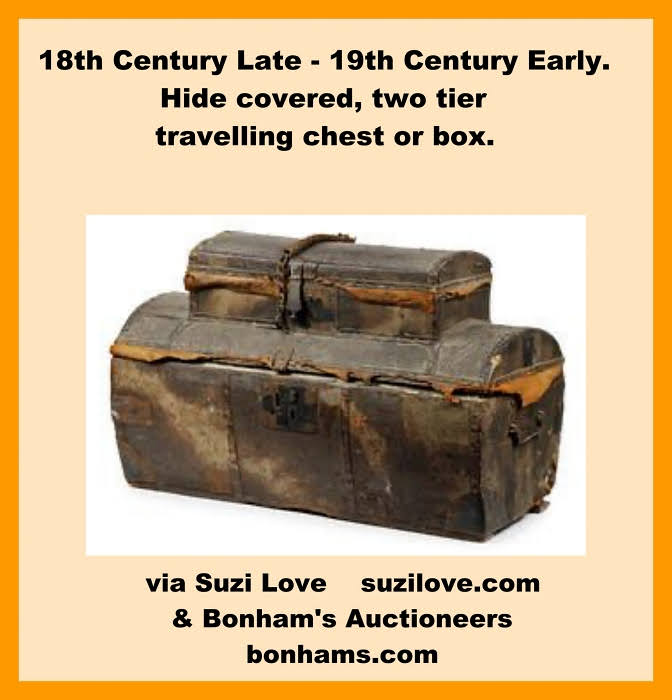
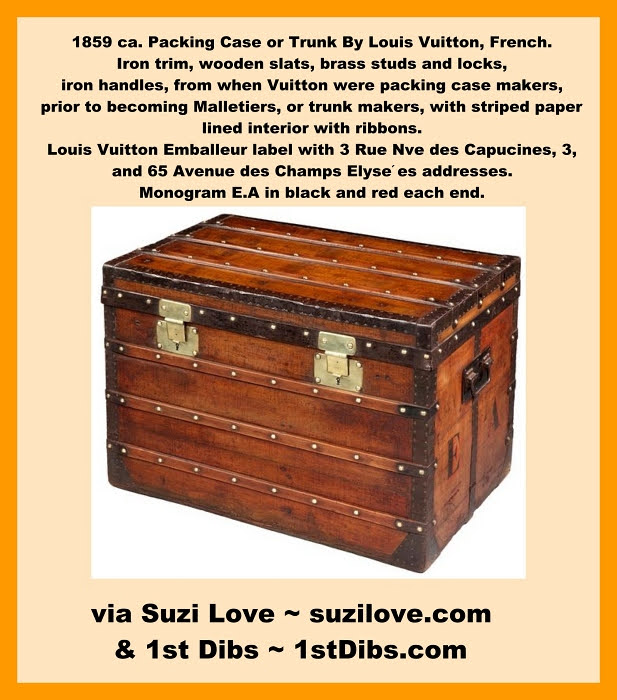
17th – 20th Centuries Luggage For Travel.






Typical of the type of outfit a gentleman in the Georgian Era would wear to a wedding or important event. The jacket flares from the waist into multiple folds to give easier movement and the front has a long line of matching buttons. The breeches have a buttoning front flap. Part of the costume collection at Ham House, Surrey, UK. Part of the National Trust, UK. nationaltrustimages.org.uk


1811 August Walking Dress for a Mother and a child, English. Mother wears a typical Regency or Jane Austen style high round robe with full long sleeve trimmed with Van Dyke lace at the throat and cuffs and ornamented around the bottom with a Tuscan border in needlework. Short capuchin cloak of buff shot sarsenet fastened with broaches on shoulders and trimmed with deep Chinese silk fringe. Moorish turban bonnet gathered into a broach in centre of the forehead. Purple ridicule, or bag, with gold snap and tassels. Buff kid half boots, parasol with deep Indian awning. Child wears a short sleeved Spanish vest and trousers in one, which looks like a skeleton suit, a tight coat or jacket buttoned to a pair of high-waisted trousers. An Indian dimity waistcoat with long sleeves and collar trimmed with a narrow border of muslin, high shoes of purple morocco and a college cap of purple velvet with a crimson band and carries a parasol. via Rudolph Ackermann’s ‘The Repository of Arts’.
Definition Skeleton Suit: Shirt and trousers made as one connecting piece, often buttoned together, and were one of the earliest fashions designs made especially for children and were worn from the 1790s to the 1820s.

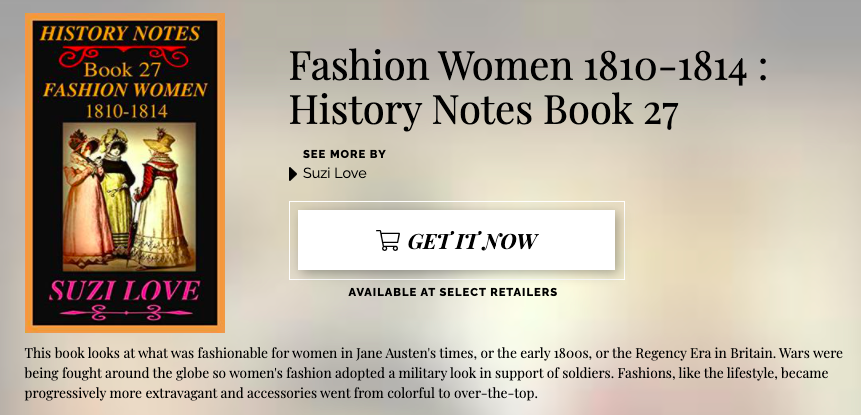
What did the Bridgerton ladies and Jane Austen use to carry her personal items? Ridicule, Reticule, Or Handbag? Call them what you like: purses, bags, handbags, reticules, ridicules, clutches, or pocket replacements. They all did the same job and they changed greatly with the prevailing fashions of time. books2read.com/suziloveReticules
Definition Of A Reticule; Bag or purse, often with a drawstring to pull closed and usually made of cloth or covered cardboard and often decorated with beading or embroidery. A reticule, or purse, or handbag, was usually carried by a woman during the Regency period to carry all their daily necessities. Earlier, women used pockets that tied at the waistline and were hidden in the folds of their skirts. Empire style, or early 1800s, high-waisted dresses made it impossible to either sewn in a pocket or to tie on a pocket, so women began carrying small, decorated bags called Reticules, or ridicules, which generally pulled close at the top with a drawstring. These Reticules, or bags, were the forerunners of our modern day purses.
The term ‘ridicule’ derived from the Latin ‘ridiculum’ and first used in France during the 17th century and meant subjecting something or someone to mockery. As women’s tiny bags were mocked, or ridiculed, for being a useless fashion accessory carried outside when they were first used in the late 1700s, it’s likely this is how the name ‘ridicule’ started. The later term ‘reticule’ derived from the Latin reticulum, meaning ‘netted bag’ and was applied when bags became larger and often made from netting. In the late 1700s and early 1800s, they were also known as indispensables as they carried all the personal items a lady needed upon her person every day. They were easily made by ladies, easy to carry and became an indispensable fashion accessory.
In the early nineteenth century, reticules started to look like future handbags as they were often made from rigid card or molded mâché or card into a variety of shapes. Early bags were circular and with a drawstring but as women wanted their reticules to look individual they could be made with two halves and a hinged metal closure or with concertina sides. Materials varied from silk, cotton and string and shapes were round, hexagonal or lozenge shapes with shell shaped bags becoming very popular during the Regency and Romantic Eras.
1800s magazines were written for well bred women who could read, so they gave plenty of ideas for how ladies could make and embellish reticules for their own use and as pretty gifts. Needlework was highly encouraged as a pastime for a lady so bags were frequently embroidered or decorated with beading. By the 1820s, reticules became more like our modern handbags using soft leather gathered at the top or hard leather with a rigid fastener and metal chain for carrying.


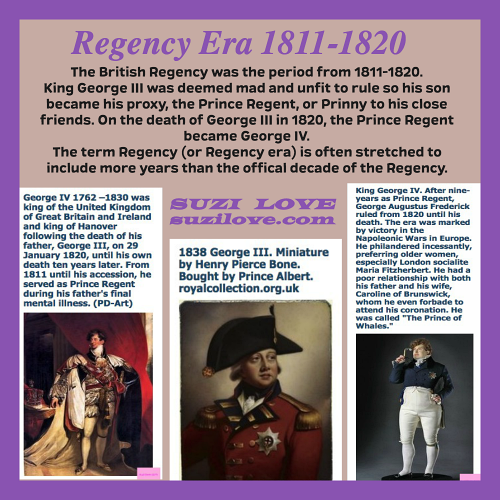
1811-1820 Regency Era Overview. The British Regency was the period from 1811-1820. King George III was deemed mad and unfit to rule so his son became his proxy, the Prince Regent, or Prinny to his close friends. This was the era during which Jane Austen wrote her books. Books that are still read and discussed today.
As a period in Britain’s official history, the Regency lasted less than ten years, although scholars apply the term Regency to a much longer period. It began in 1811, when George Ill was declared mad and the Prince of Wales was appointed Regent. It ended in 1820 when the King finally died and the Regent was crowned George IV. However, the Regency was a period in Britain’s history that had an effect on the social and cultural life for four decades, from the start of the French Revolution in 1789 to the passing of Britain’s Great Reform Act in 1832.
The decision to make George IV the Regent took a lot of political debate. After nearly two and a half months of political wrangling, the British government agreed to grant the title of Prince Regent on George. The Act of Parliament was finally passed by a commission in the House of Lords on February 5th 1811 and the Prince was formally sworn in as Regent at Carlton House the next day. He continued to rule as Regent until 1820 when, on his father’s death, he assumed the title George IV and reigned until his own death in 1830.
During the Regency, royalty and upper class ladies and lords, or the Beau Monde, lived elegant and extravagant lives that also allowed excesses and depravity. Britain was united behind exceptional heroes in long wars against France, but internally divided by class distinction and political agitation. The foundations of a modem industrial nation were laid by engineers, inventors and scientists. while Romantic poets and visionary artists dreamt of escape to earlier times and more ideal worlds. From: Queen’s Gallery, London, U.K.