1810 Sarcophagus Shaped Inkstand, British. Inkstand is made in the shape of a sarcophagus. Ink pots and a tray for the quill. In Jane Austen’s time, young gentlemen went on their “Grand Tour’ to gain education and experience and they sent, or brought back, unique and decorative items to represent their travels. Often, these decorative items were copied by British manufacturers to sell for the home market. via Museum of Fine Arts, Boston. mfa.org
1810 Inkstand, British. Inkstand is made in the shape of a sarcophagus. via Museum of Fine Arts, Boston. mfa.orgHN_13_D2D_Writing Tools
books2read.com/SuziLoveWritingTools
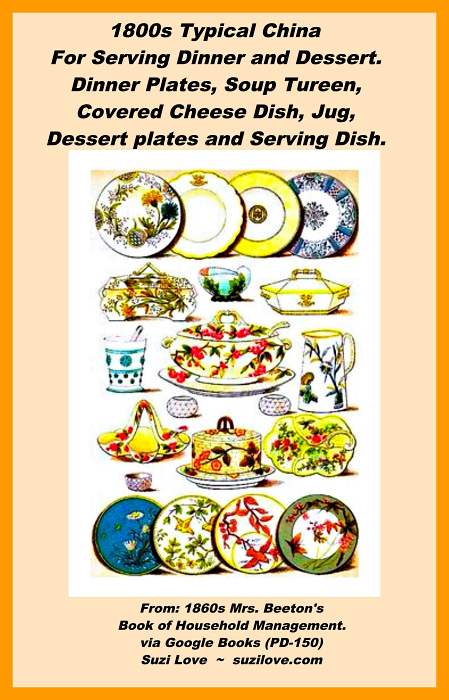
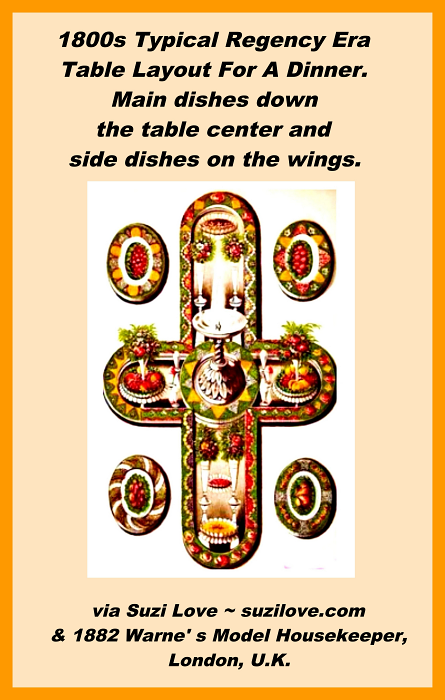
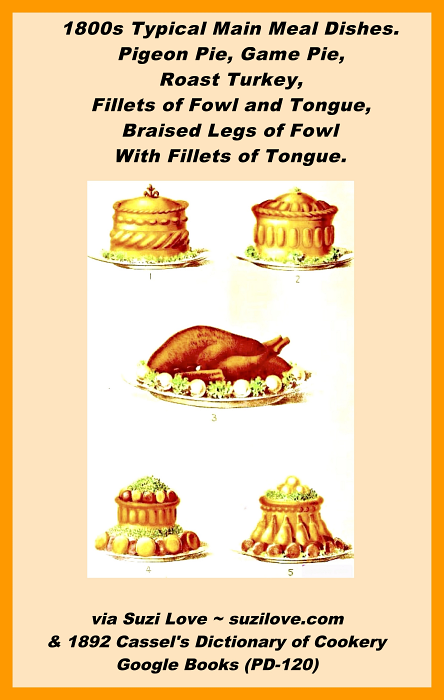
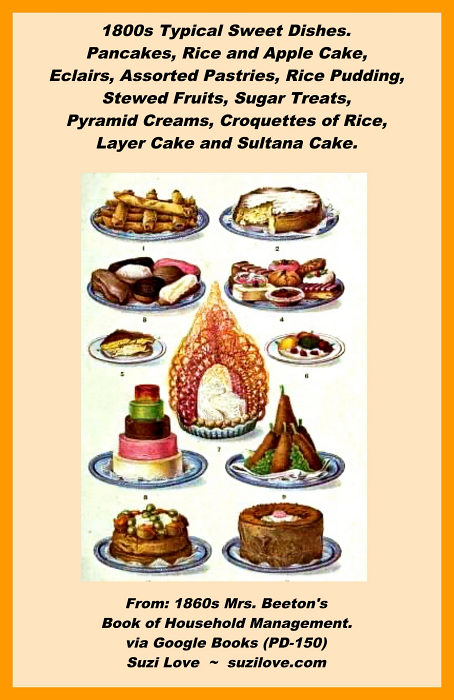
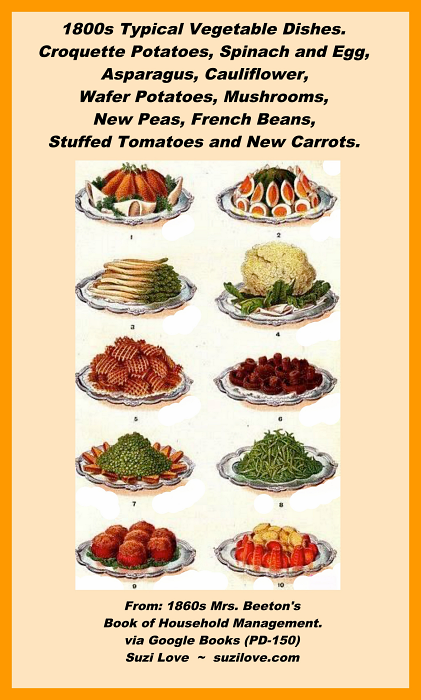
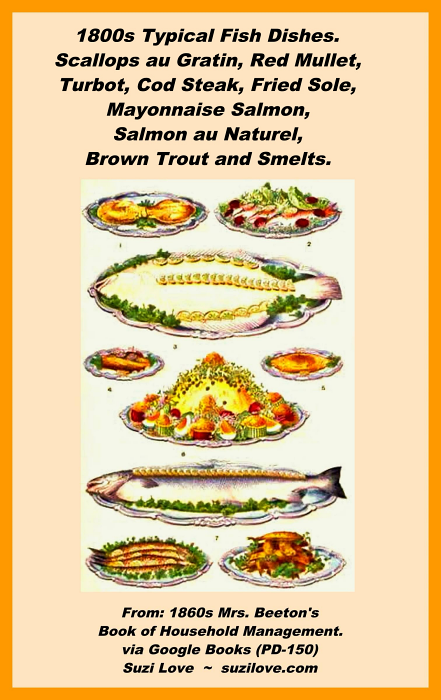
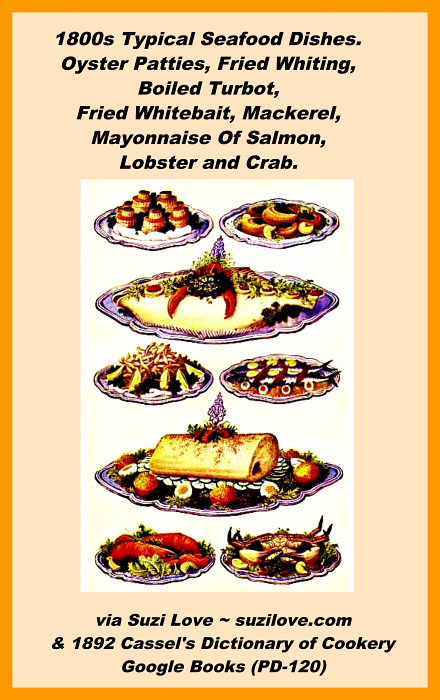
1800s Typical Food Served and Table Settings Used. Historic food from Mrs. Beeton’s Household Management, 1882 Warne’ s Model Housekeeper, London, U.K., 1892 Cassel’s Dictionary of Cookery.
1800s Typical China For Serving Dinner and Dessert. 1800s Typical Regency Era Table Layout For A Dinner.1800s Typical Joints Of Meat. 1800s Typical Fruits Served. 1800s Typical Main Meal Dishes. 1800s Typical Salad and Vegetable Dishes. 1800s Typical Soups. 1800s Typical Sweet Dishes. 1800s Typical Vegetable Dishes. 1800s Typical Fish Dishes. 1800s Typical Seafood Dishes.
19th Century Inkwell and Tomb of the Scipios Grand Tour Souvenir, Italian. The type of Grand Tour souvenir collected by travelers in Jane Austen and Bridgerton Times.
Siena marble with ink wells and pen holder. Lid removes to reveal pair of ink wells and pen holder. Scipios were a family of Roman war heroes and generals. Tomb of Scipios erected around 150 B.C.E and copied many times. 18th-19th Centuries, tomb models were favorites of Grand Tour souvenir hunters. The sort of exotic item a gentleman in Jane Austen’s times might send back to England during his Grand Tour of Europe and Asia. via 1st Dibs Auctions 1stdibs.com
19th Century Inkwell and Tomb of the Scipios Grand Tour Souvenir, Italian. Inkwell View. Lid removes to reveal pair of ink wells and pen holder. 18th-19th Centuries Tomb models were favorites of Grand Tour travelers. via suzilove.com and 1st Dibs Auctions 1stdibs.comHN_13_D2D_WritingTools Book 13 What did the lady of the house use to pen notes? What sat on the desk of the man of the house when managing his accounts? #History #Nonfiction #travel books2read.com/SuziLoveWritingTools
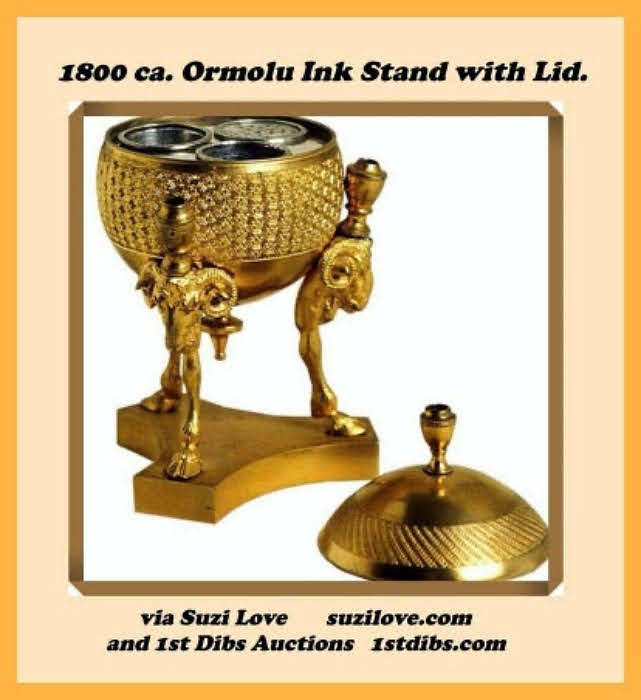
1800 ca. Ormolu Ink Stand with Lid, French. Ormolu ink stand in the shape of a globe surrounded by three rams head pen supports with animal legs and hoofs on a tripartite base. The top is removable revealing a silvered compartment with containers for sand and ink. via 1st Dibs Auctions 1stdibs.com
Definition Ormolu: Gold colored alloy of copper, zinc, and tin used in decoration and for making ornaments. Ormolu is used in mounts i.e ornaments on borders, edges, and as angle guards) for furniture, especially 18th-century furniture, and for other decorative purposes. Its gold colour may be heightened by immersion in dilute sulfuric acid or by burnishing.
HN_13_D2D_WritingTools Book 13 What did the lady of the house use to pen notes? What sat on the desk of the man of the house when managing his accounts? #History #Nonfiction #travel books2read.com/SuziLoveWritingTools
1830 ca. Rosewood and Inlaid Brass Inkstand, England. Each side has cut-glass inkwells with brass inlaid tops and pen trays, so ideal for a partners desk. via 1st Dibs Auctions 1stdibs.com
1830 ca. Rosewood and Inlaid Brass Inkstand, England. Each side has cut-glass inkwells with brass inlaid tops and pen trays, so ideal for a partners desk. via 1st Dibs Auctions 1stdibs.comHN_13_D2D_WritingTools Book 13 What did the lady of the house use to pen notes? What sat on the desk of the man of the house when managing his accounts? #History #Nonfiction #travel books2read.com/SuziLoveWritingTools
1816 Inside a dining room by Martin Drolling. Via Wikimedia Commons commons.wikimedia.org (PD-ART) This is typical of the inside of a gentleman’s household in Jane Austen’s times.
1816 Inside a dining room by Martin Drolling. Via Wikimedia Commons commons.wikimedia.org (PD-ART)An overview of an older gentleman’s clothing, social life, and responsibilities in the early 1800s. books2read.com/suziloveYGD
19th Century Early. Gilt and Patinated Bronze Inkstand , or Encrier, or a little reservoir of ink. Rectangular base mounted with a round lidded ink pot with a porcelain container and a sand pot, each raised on winged lion feet, centered by a palm decorated columnar carrying handle, with two pen holes. via 1st Dibs Auctions 1stdibs.com
The type of inkstand that households woulds have in Bridgerton and Jane Austen households for writing letters and keeping track of estate matters.
HN_13_D2D_WritingTools Book 13 What did the lady of the house use to pen notes? What sat on the desk of the man of the house when managing his accounts? #History #Nonfiction #travel books2read.com/SuziLoveWritingTools
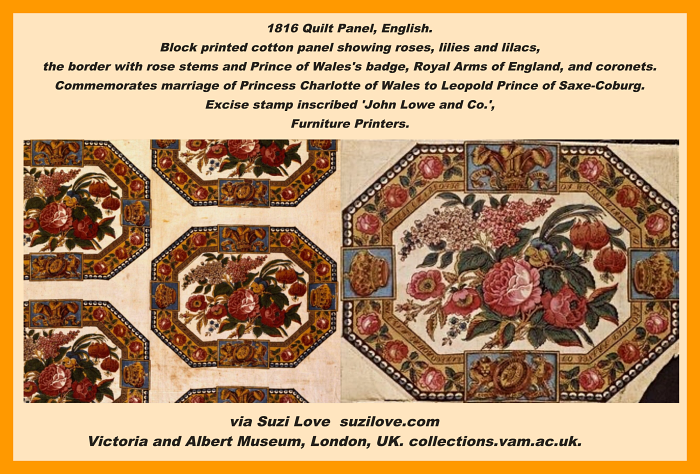
1816 Block Printed Quilt Panel made to celebrate the Marriage of Princess Charlotte to Prince Leopold of Saxe-Coburg.
Textile of block-printed white cotton in madder colours with pencilled blue. The cotton is printed with 9.5 octagonal panels intended to be cut out and applied to patchwork quilts. Each panels contains a bunch of flowers. Around the inner border is an inscription of Princess Charlotte of Wales married to Leopold Prince of Saxe-Coburg May 2, 1816. In the borders are three Prince of Wales feathers, the Royal Arms, and a crown on each side. At the end of the textile is printed a rectangular panel containing the manufacturers name and in a corner is the name ‘G. Swindels’.
This quilt has an excise stamp for 1816 and is inscribed ‘John Lowe and Co. Furniture Printers, Shepley Hall’, providing the name of the only identifiable manufacturer of these panels, although there are likely to have been others. John Lowe was a well-known firm of calico printers with large cotton factories and extensive bleaching grounds close to the River Tame near Ashton-under-Lyne in Lancashire.
Hand-quilting is done on a frame using needles called ‘betweens’. The stitches are executed with one hand; the other hand is kept underneath the quilt to feel for the needle. Small, uniform stitches (usually a ‘running stitch’) are taken through the three layers to form a decorative design. In ‘piecing’ or ‘patchwork’, small pieces of fabric are sewn together to produce a decorative design. The most enduring method in Britain is done by hand, and is known as ‘piecing over paper’. The pattern is first drawn onto paper and then accurately cut. Small pieces of fabric are tacked round each of the shapes, and then joined together from the back using overstitch. Most of the quilt top visible here has been pieced over paper, but in some areas the fabrics have been applied directly on to the earlier quilt that forms the wadding.
What did an older lady do and wear in the Regency Era? Information & pictures for readers and writers of early 1800s history, nonfiction and fiction. books2read.com/suziloveOLD The older lady’s day usually started with her toilette in her bedroom, where her maid helped her dress for the day and styled her hair. After that, she would join her family downstairs for breakfast unless she preferred a tray with either tea or hot chocolate in her bedroom as she prepared for her busy day. Her day would be made up of speaking with the housekeeper and the cook about the week’s menus, assuring that the servants were all available that day and no one was ill, and checking the list of foods needed.
What did an older lady do and wear in #RegencyEra? Information & pictures for readers and writers of #History #nonfiction #Regency books2read.com/suziloveOLD
She would also enquire if the laundry was up to date and that they had enough good linen to make up all the beds before extended family members and guests arrived. If she was in the country and hosting a weekend house party, she would assign rooms to the guests on her lists and query that all was in readiness for their arrival.