1799-1805 ca. Gold dress with small train and very small bodice.. via musee des tissus et des arts decoratifs de lyon. https://books2read.com/SuziLoveFashionWomen1801-1804

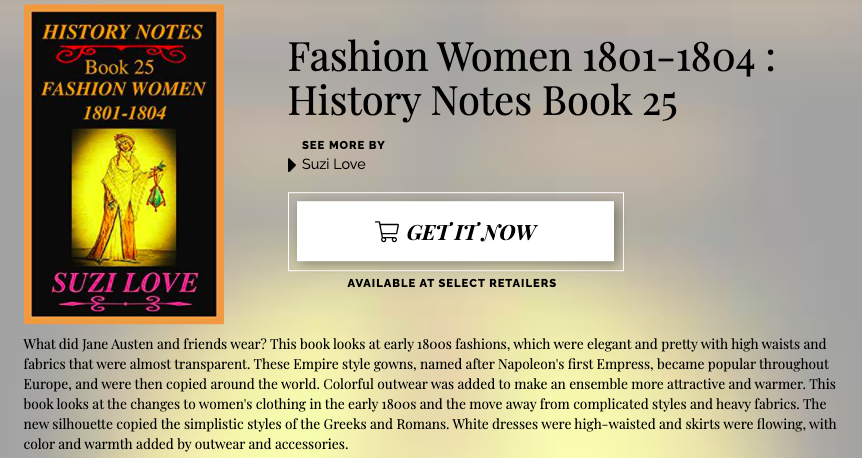

1799-1805 ca. Gold dress with small train and very small bodice.. via musee des tissus et des arts decoratifs de lyon. https://books2read.com/SuziLoveFashionWomen1801-1804
18th Century Mid. Nécessaire, London, England. Wood, shagreen, silk, tortoiseshell with gold mounts, steel. Includes: pen knife, beard trimmer, scissors, bottles, paper cutter, 6 razors, hone, strop. via Metropolitan Museum New York City, U.S.A. metmuseum.org
Definition Shagreen: A type of rawhide, or rough untanned skin, originally made from the back of a horse or a wild donkey. In the 18th century, the skin of a shark or stingray also began to be called shagreen.


1787 St. George’s Church, Hanover Square, London, U.K. By T. Malton. A favorite place to be married for the Regency aristocracy during Bridgerton and Jane Austen times, but also a haunt of pickpockets.
From the Edinburgh Annual Register 1810: Complaints have been made of numerous robberies, by daring gangs of pickpockets in the daytime, in the public streets, also at churches, chapels, and meetings, particularly at St. George’s church, Hanover-square. The Countess of Aylesford, and several other ladies of distinction, having been robbed there, mentioned the circumstances to Townsend, the officer. The Countess of Aylesford said, she had no doubt but she was robbed by a short fat woman. Townsend went to the church and observed Mary Blakeman, alias Hills, a well-known female pickpocket, genteelly dressed in a black velvet pelisse and a cottage straw bonnet. When he called her outside, no stolen property was found on her person, despite him knowing her to be a thief for 25 years.


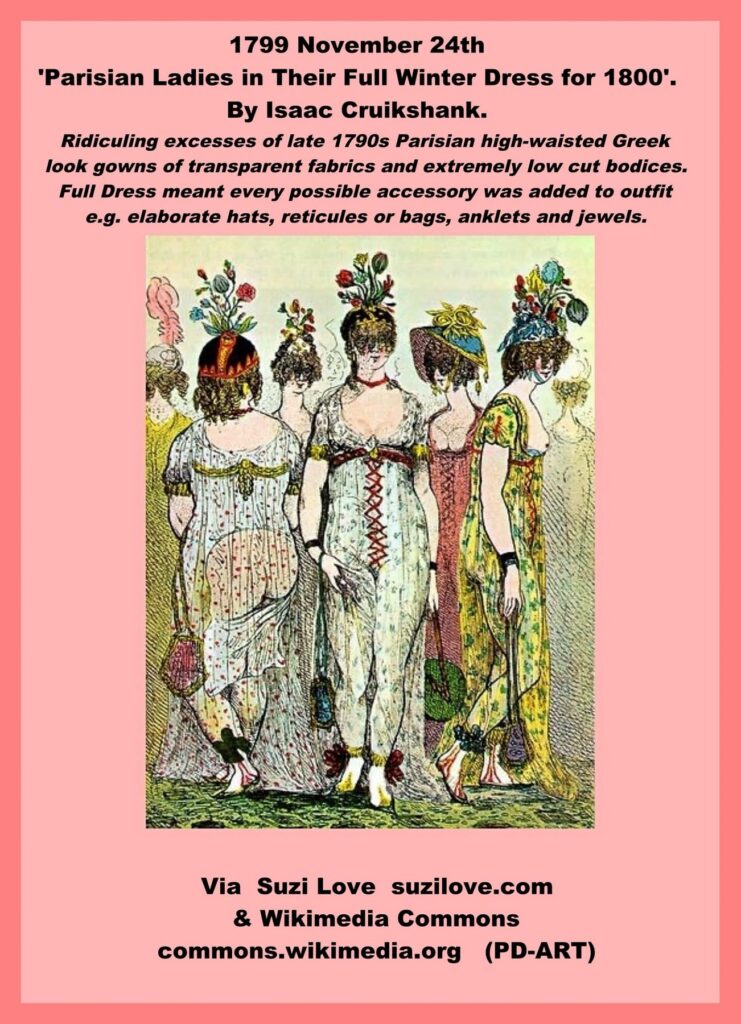
1799 November 24th ‘Parisian Ladies in Their Full Winter Dress for 1800’. By Isaac Cruikshank. Ridiculing excesses of late 1790s Parisian high-waisted Greek look gowns of transparent fabrics and extremely low cut bodices.Full Dress meant every possible accessory was added to outfits.g. elaborate hats, reticules or bags, anklets and jewels. Via British Museum, London, UK. britishmuseum.org (PD-Art)

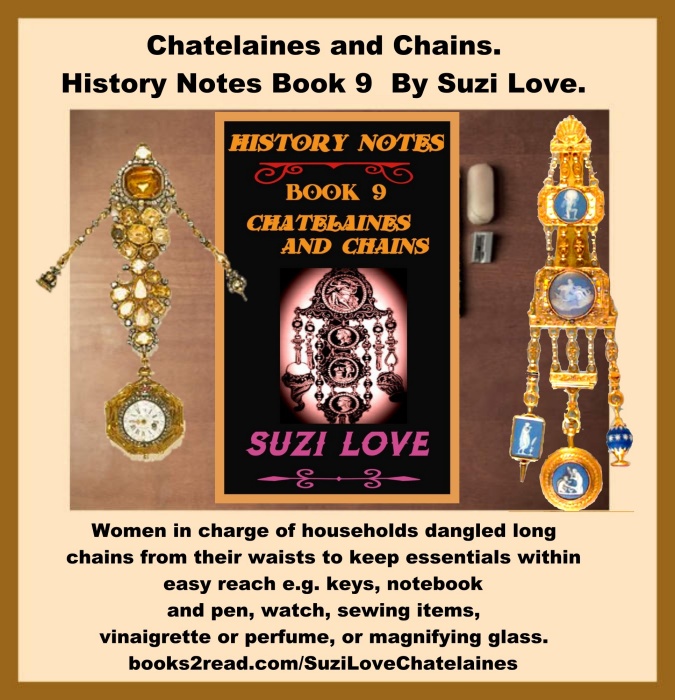
Chatelaines and Chains History Notes Book 9 By Suzi Love. What do you know about Chatelaines and Chains worn in Jane Austen’s and Bridgerton times? Women in charge of households carried important items with them. History Notes Book 9 Chatelaines and Chains. books2read.com/SuziLoveChatelaines
Personal Necessities, keys, or chatelaines was a set of useful items hung from waist by decorative chain. Chatelaines and Chains. History Notes Book 9 By Suzi Love. Women in charge of households dangled long chains from their waists to keep essentials within easy reach e.g. keys, notebook and pen, watch, sewing items, vinaigrette or perfume, or magnifying glass. Early chatelaine were simple essentials. Later chatelaine were decorative and expensive. http://books2read.com/SuziLoveChatelaines
Definition Chatelaine: The word Chatelaine is French and means the keeper of the keys. Chatelaine” derives from the Latin word for castle. In Medieval times, the chatelaine was in charge of the day-to-day running of the castle. Women in charge of households dangled long chains from their waists to keep essentials within easy reach e.g. keys, notebook and pen, watch, sewing items, vinaigrette or perfume, or magnifying glass. Early chatelaine were simple essentials. Later chatelaine were decorative and expensive. books2read.com/SuziLoveChatelaines
What did a chatelaine do? Most important task was keeper of the keys. Also ordered supplies, did bookkeeping, supervised servants, taught castle children, and organized guests.
What were chatelaines used for?
I love Pinterest for keeping thousands of historical images in some sort of order. And I love using Pinterest Boards as inspiration for my romance books. What about you? Do you use Pinterest for planning something, or just for fun? Need more hints for what to do with your boards and pins? Take a look at these fascinating articles on Pinterest. if you want even more Pinterest information and tips for becoming a power user, check out my Suzi Love Pinterest Boards


1771 September New Assembly Rooms opened on the north east of the Circus, Bath, U.K.
Bath had two assembly rooms in the lower part of the town but they weren’t large enough for the rapidly increasing population so on the 30th September, 1771, New Rooms were opened on the north east of the Circus, between Bennett and Alfred Streets. These Upper Rooms were designed by the architect, John Wood, and were in a better part of town so they became much more fashionable. They were called the New, or Upper Rooms, to distinguish them from the older Assembly Rooms in the lower part of the town.
They were a set of public rooms purpose-built for the 18th century form of entertainment called an ‘assembly’, where a large number of people came together to dance, drink tea, play cards, listen to music, or parade around the rooms and talk and flirt. The four rooms are the Ball Room, the Tea Room or Concert Room, the Octagon Room, and a Card Room. The Upper Rooms held two balls a week, a dress ball on Monday evenings and a fancy ball on Thursdays during the Bath season which was from October to early June. These balls were so popular they attracted between 800 and 1,200 guests at a time.
John Wood raised the money for the New Rooms by a “tontine” subscription, which was like a lottery. By April 1769, £14,000 was raised amongst 53 people. When a subscriber died, their shares were added to the holdings of the other subscribers, which meant that the last surviving subscriber inherited everything.
The exterior of the Upper Assembly Room looks typically Georgian, but the interior is very grand and the high ceilings gave good ventilation on crowded ball nights and windows set at a high level prevented outsiders from looking in. Two long rectangular rooms flank the entrance hall and are linked by an octagonal room at the far end to form a U-shape.


And for another tradition we all love, how about a few facts about the beginning of Birthday Parties,
Suzi

The tradition started in Europe a long time ago when it was feared evil spirits were particularly attracted to people on their birthdays. To protect them from harm, friends and family would to come be with the birthday person and bring good thoughts and wishes.
Giving gifts brought even more good cheer to ward off the evil spirits. At first it was only kings who were recognized as important enough to have a birthday celebration (maybe this is how the tradition of birthday crowns began?).
As time went by, children became included in birthday celebrations. The first children’s birthday parties occurred in Germany and were called Kinderfeste.
1770 ca. Corset, Europe. Back lacing, blue and cream silk with cream silk bows.

Corsets 1700-1790 History Notes Book 15 This book shows how body wraps, stomachers and stays were worn during the 1700s. They created a variety of fashionable silhouettes to suit the elaborate fashions worn for court and daily life during the 18th Century. Wearing the correct underclothing was essential for keeping garments in place and giving the best fashion display. Corsets, stays, body wraps, and stomachers worn during the 1700s, or the Georgian Era. https://books2read.com/SuziLoveCorsetBook15
