19th Century Inkstand, English. Ormolu and tortoiseshell. The type of inkstand that households would have in Bridgerton’s and Jane Austen’s times for writing letters and keeping track of estate matters. Curved, recessed top, two square inkwells of faceted cut glass with round necks and ormolu lids. via 1st Dibs Auctions ~ 1stdibs.com
HN_13_D2D_WritingTools Book 13 What did the lady of the house use to pen notes? What sat on the desk of the man of the house when managing his accounts? #History #Nonfiction #travel books2read.com/SuziLoveWritingTools
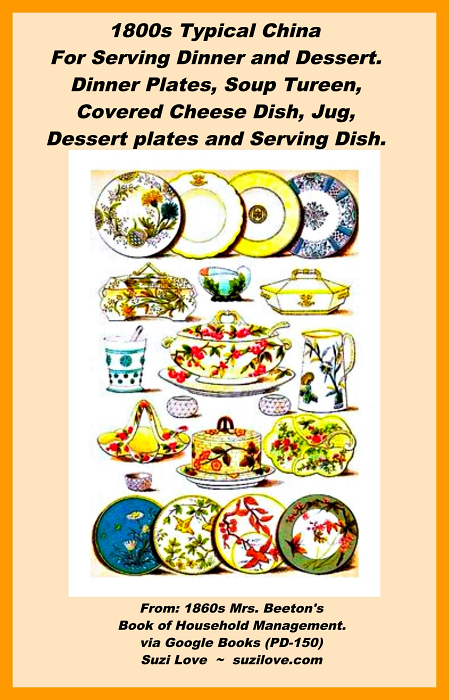
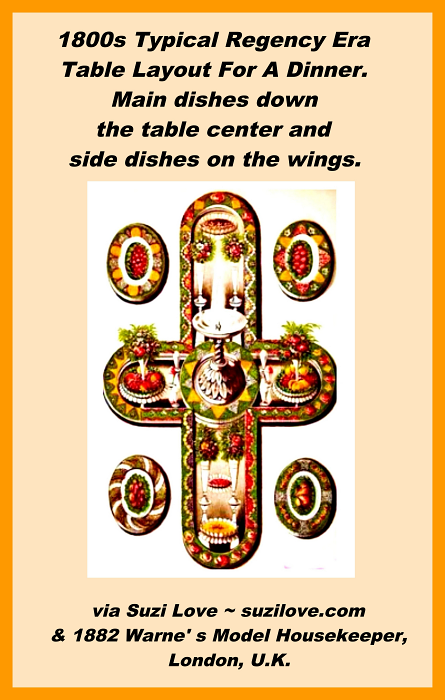
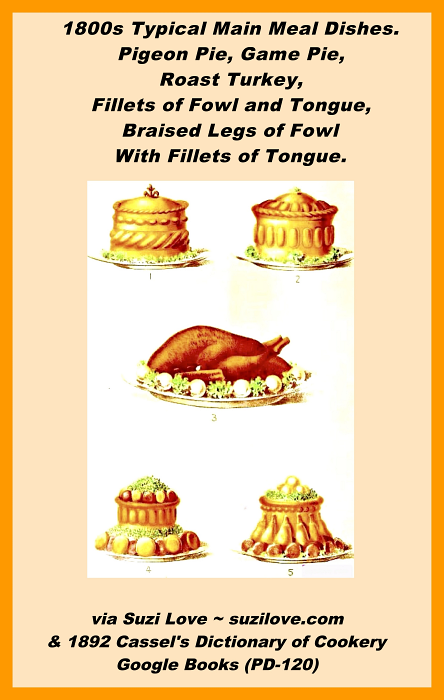
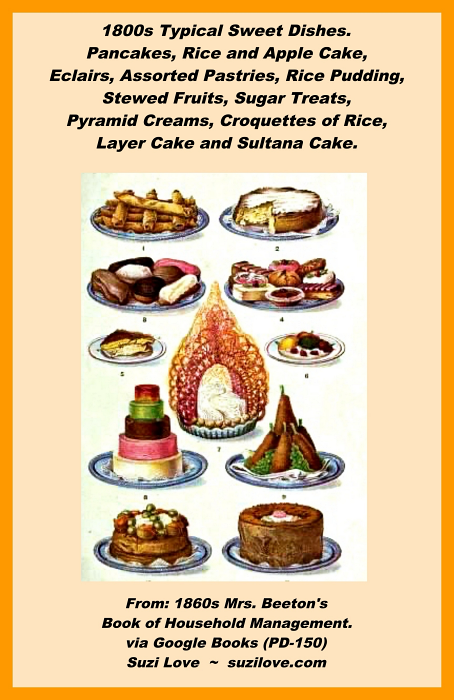
1800s Typical Food Served and Table Settings Used. Historic food from Mrs. Beeton’s Household Management, 1882 Warne’ s Model Housekeeper, London, U.K., 1892 Cassel’s Dictionary of Cookery.
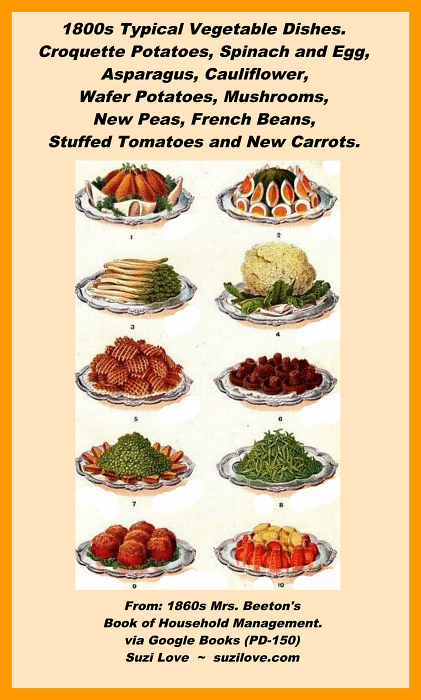
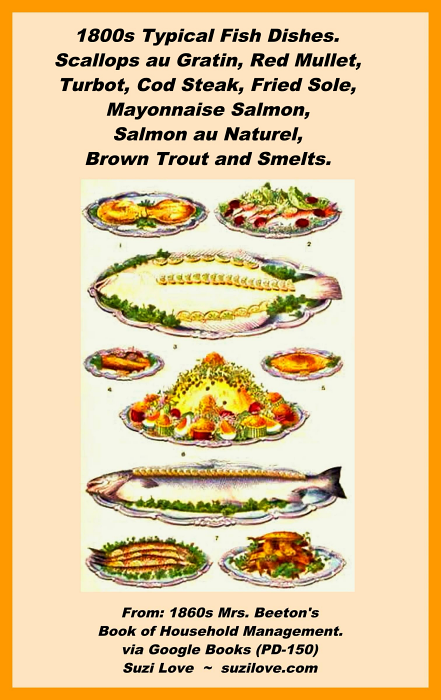
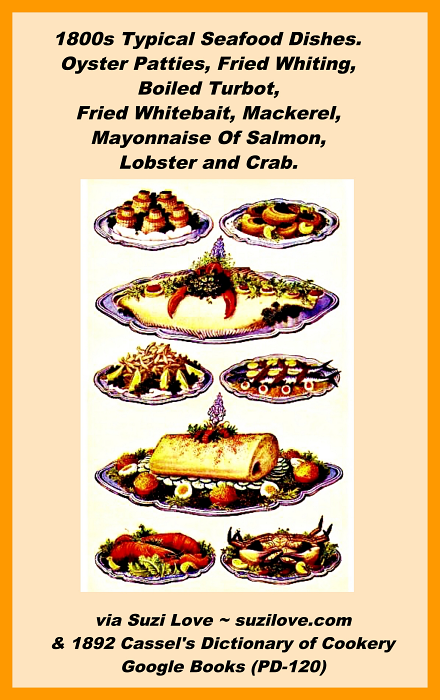
1800s Typical China For Serving Dinner and Dessert. 1800s Typical Regency Era Table Layout For A Dinner.1800s Typical Joints Of Meat. 1800s Typical Fruits Served. 1800s Typical Main Meal Dishes. 1800s Typical Salad and Vegetable Dishes. 1800s Typical Soups. 1800s Typical Sweet Dishes. 1800s Typical Vegetable Dishes. 1800s Typical Fish Dishes. 1800s Typical Seafood Dishes.
Older Lady’s Day Regency Life Series Book 5. An easy to read overview of what an older lady did, wore, and how she lived in the early 19th Century. Information for history buffs and pictures for readers and writers of historical fiction.
The older lady’s day usually started with her toilette in her bedroom, where her maid helped her dress for the day and styled her hair. After that, she would join her family downstairs for breakfast unless she preferred a tray with either tea or hot chocolate in her bedroom as she prepared for her busy day. Her day would be made up of speaking with the housekeeper and the cook about the week’s menus, assuring that the servants were all available that day and no one was ill, and checking the list of foods needed.
She would also enquire if the laundry was up to date and that they had enough good linen to make up all the beds before extended family members and guests arrived. If she was in the country and hosting a weekend house party, she would assign rooms to the guests on her lists and query that all was in readiness for their arrival.
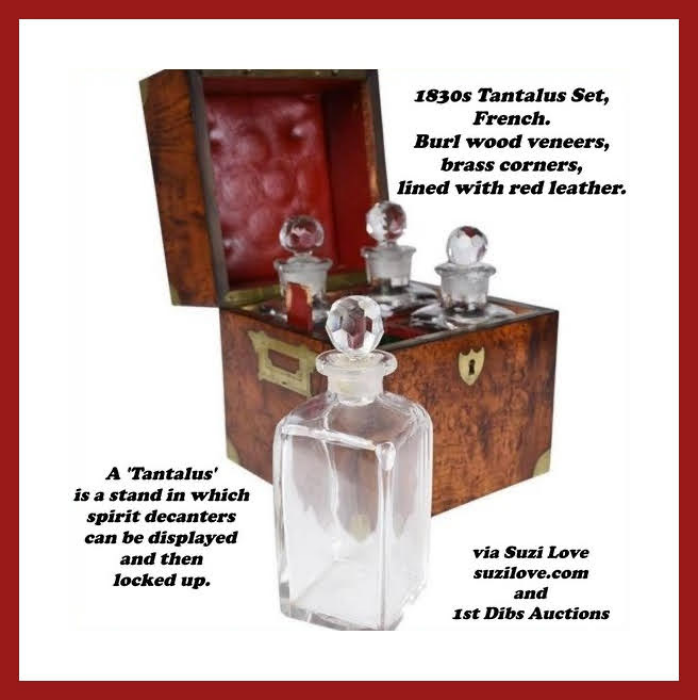
1830s Tantalus Set, French. Burl Wood veneers, brass corners and lined with red leather. Tantalus: Small box or cabinet containing decanters. Lock and key keep unauthorized people from drinking the contents e.g. servants and younger sons, yet still allowing the decanters of drinks to be on show. The word, Tantalus, is a reference to the unsatisfied temptations of the Greek mythological character, Tantalus.
1800 ca. Ormolu Ink Stand with Lid, French. Ormolu ink stand in the shape of a globe surrounded by three rams head pen supports with animal legs and hoofs on a tripartite base. The top is removable revealing a silvered compartment with containers for sand and ink. via 1st Dibs Auctions 1stdibs.com
Definition Ormolu: Gold colored alloy of copper, zinc, and tin used in decoration and for making ornaments. Ormolu is used in mounts i.e ornaments on borders, edges, and as angle guards) for furniture, especially 18th-century furniture, and for other decorative purposes. Its gold colour may be heightened by immersion in dilute sulfuric acid or by burnishing.
HN_13_D2D_WritingTools Book 13 What did the lady of the house use to pen notes? What sat on the desk of the man of the house when managing his accounts? #History #Nonfiction #travel books2read.com/SuziLoveWritingTools
Light-Hearted look at an Older Lady’s Life In Jane Austen’s Times, or early 1800s. An easy to read overview of what an older lady did, wore, and how she lived in the early 19th Century. Information for history buffs and pictures for readers and writers of historical fiction.
The older lady’s day usually started with her toilette in her bedroom, where her maid helped her dress for the day and styled her hair. After that, she would join her family downstairs for breakfast unless she preferred a tray with either tea or hot chocolate in her bedroom as she prepared for her busy day. Her day would be made up of speaking with the housekeeper and the cook about the week’s menus, assuring that the servants were all available that day and no one was ill, and checking the list of foods needed. She would also enquire if the laundry was up to date and that they had enough good linen to make up all the beds before extended family members and guests arrived. If she was in the country and hosting a weekend house party, she would assign rooms to the guests on her lists and query that all was in readiness for their arrival.
Music history from the 17th, 18th, and 19th Centuries. Pianos, pianofortes, harps, viols, violins played during Jane Austen’s times. Musical Instruments were so important in most of the more affluent households in history that large industries grew all around the world to manufacture instruments, musical accessories, and to print sheet music. Musical instruction and encouragement could be found everywhere and both young ladies and gentlemen were encouraged to have musical appreciation. And of course, playing music was on the list of social requirements for all young ladies desirous of becoming a wife and homemaker.
London became Europe’s leading centre for the manufacture of scientific instruments and this led to the manufacture of more musical instruments as well as factories developed and rail transport helped the faster distribution of goods to regional areas. One of the first places that music was used to tell stories and to share enjoyment was in Christmas music. Because music was such an integral part of households, music was always a feature in Magazines. There were advertisements everywhere for musical instruments for sale, for sheet music, and for music lessons. And of course, of most interest to the ladies were the hundreds of fashion plates included in magazines where people were depicted with their musical instruments.
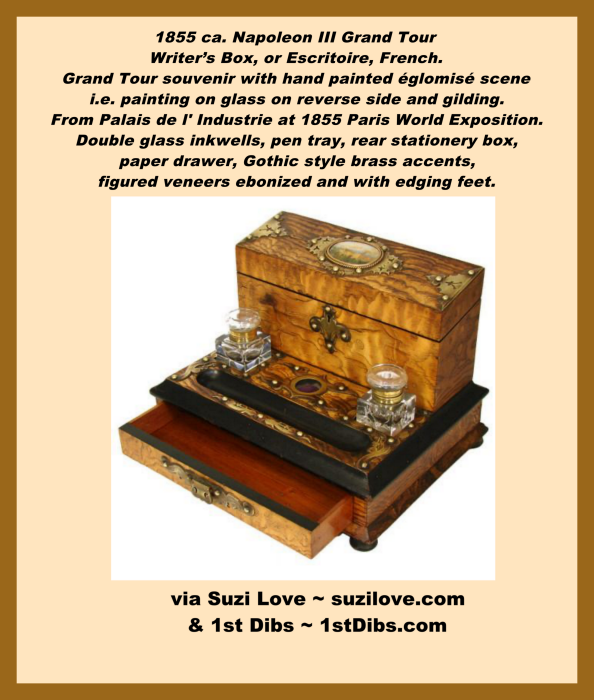
1855 ca. Napoleon III Grand Tour Influenced Travel Writer’s Box, Or Ecritoire, French. Double inkwell with rear stationery box, Gothic style brass accents and Grand Tour souvenir hand painted eglomise scene, the Palais de l’ Industrie from the 1855 Paris World Exposition! Figured veneers, ebonized edging, feet and pen tray and brass or bronze accents. via 1st Dibs 1stdibs.com
HN_13_D2D_WritingTools Book 13 What did the lady of the house use to pen notes? What sat on the desk of the man of the house when managing his accounts? #History #Nonfiction #travel books2read.com/SuziLoveWritingTools